EDITORIAL
Happy New Year!
Will we slip or push forward? With the Olympic fever behind us, it's good to sip some hot juice in the middle of the skiing holidays and see which direction to take next. The green transition Olympics did not bring Finland a big medal haul, and the representation of the eastern provinces in the team was even smaller. Fortunately, expectations for the next Olympics are higher, as reported in the latest review of investments by the Confederation of Finnish Industries. However, the most optimistic among us would have liked to see even better figures.
Since our establishment, one of our most important goals for Suomen Vetylaakso has been to develop energy availability and improve the coverage of the transmission grid. We know that this has been a bottleneck for larger investments, but on the other hand, it must be understood that Fingrid cannot base its investments solely on preliminary visions. We must continue to proactively map energy needs, work together to turn potential into reality, and at the same time reassure project operators that electricity transmission will not be an obstacle to the implementation of investments. We aim to develop local operating models by collaborating across provincial borders. The means will be found.
There are an increasing number of projects based on electricity consumption in eastern Finland, but it would also be important to develop production. Wind power obviously plays a big part in this, and the challenges it brings are being tackled head-on. Fingrid updated its development plan last fall, which shows that they also want to develop the transmission grid in the east. Looking further ahead at Fingrid's vision for the electricity system, it is clear that there is strong belief in the development of a hydrogen economy, with the foundation being laid by wind power in eastern Finland. It is worth reading how these scenarios have been written, as they may well contain a grain of truth and a glimpse into the future of the east.
We already have network reinforcement needs in many places and want to scale up our investments significantly in line with the development of the hydrogen economy. We in the East need to work together to develop our own capabilities to increase capacity, rather than just waiting for someone else to do it. Under the working name Itäverkko, preliminary plans have been made for how regional transmission companies and their owners could take on an active development role, begin planning new transmission lines, and even start building them. Cooperation with Fingrid is important in this regard, and in this way we may also be able to help them succeed in keeping their gold medal-winning transmission grid in even better condition as we prepare for the next investment competitions. But now, let's be active in project development and speak up if we know of any new investments in electricity consumption or production. You can always bother us Hydrogen Valley folks with this stuff, we're happy to help!
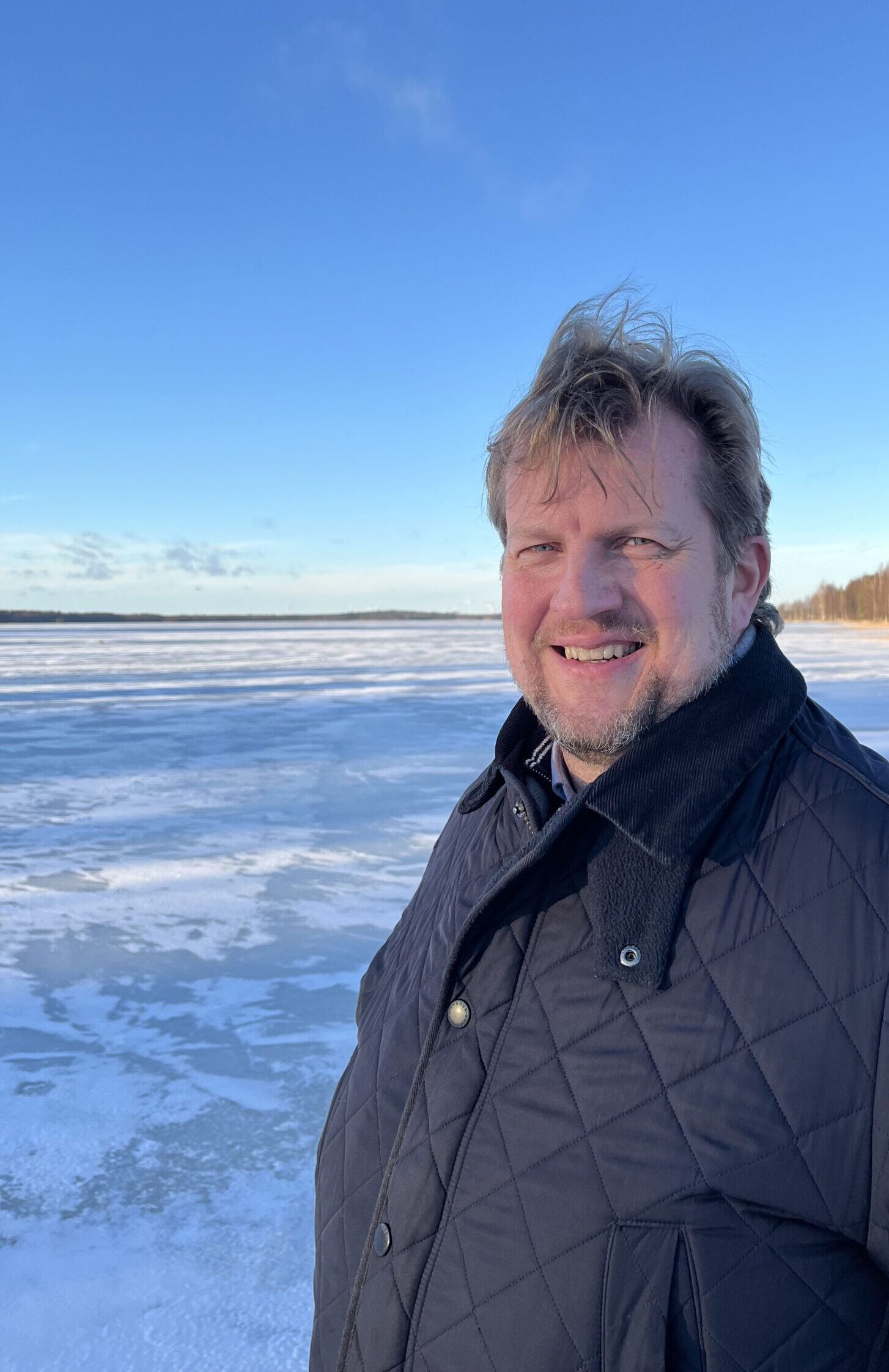
Jami Holtari, Chief Executive Officer
Hydrogen Valley Finland
Minister of Economic Affairs Sakari Puisto:
The central idea of the ResilEast program—coordinating energy, infrastructure, and defense capabilities—is important and timely. Finland's security of supply is based on our ability to produce energy domestically, in a decentralized and secure manner, and to ensure the functioning of critical infrastructure in all situations.
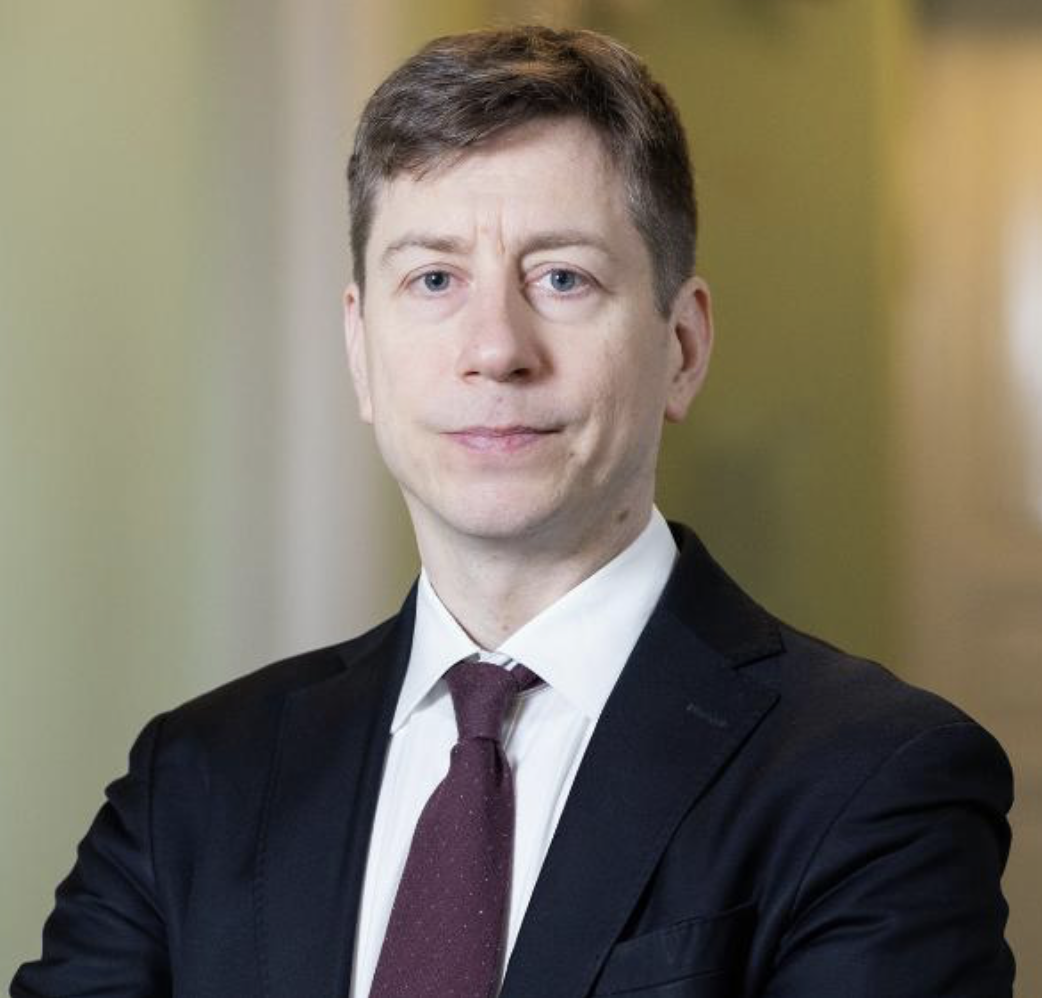
We presented nine concise questions to Minister of Economic Affairs Sakari Puisto regarding the development of renewable energy in Eastern Finland and maintaining the vitality of the region. Read his responses.
1. What is the government's long-term role in the development of renewable energy, and how does eastern Finland fit into this overall picture?
Finland's energy policy is based on realism, security of supply, and national interests. The government's key task is to ensure that Finland has sufficient reliable, affordable, and clean energy production. This requires a predictable operating environment, smooth licensing procedures, and the ability to make investments without unnecessary administrative obstacles. At the same time, we ensure that the energy system is balanced and reliable in all situations. This winter's experiences have once again shown that production must be able to meet demand even when weather-dependent production is not available.
Finnish industry and society must be able to rely on the availability of affordable energy throughout the year. Eastern Finland has a significant role to play in this development. The region has strong industrial expertise, good conditions for new investments, and a central role in building a new energy economy. The goal is for Eastern Finland to be fully involved in strengthening Finland's industrial growth and energy self-sufficiency.
2. How does Finland ensure that investments in energy production, particularly wind power, support regional balance and are not concentrated solely in coastal areas?
Finland's energy solutions are primarily technology-neutral and based on market needs and conditions. However, they cannot and should not be left solely to the market or to individual forms of production. National security, security of supply, and overall benefits, including in the long term, must also be taken into account. It is the government's responsibility to ensure that Finland as a whole is an attractive and competitive operating environment for energy and industrial investments.
Companies decide where to invest, but the government can influence the conditions for investment in different regions. This is particularly important in Eastern Finland, which has significant potential for new energy production and industrial growth. At the same time, it is clear that national security considerations take precedence. The construction of wind power in Eastern Finland is not as straightforward as it is elsewhere in the country. Wind farms in Eastern Finland would interfere with airspace control, which is why the possibilities for wind power construction are more limited than in Western Finland.
3. Eastern Finland is suffering from population decline and industrial restructuring. What plans do you have to ensure the vitality of eastern Finland?
Strengthening the vitality of Eastern Finland is a clear strategic priority for the government. Our goal is to turn the region's development around and bring about new growth. We have already made concrete decisions to achieve this goal. The government has allocated funding for new investments in South Karelia and Kymenlaakso, secured the continuation of regional flights until 2028, and decided to speed up the Savo railway line and increase its capacity. In addition, we have supported the management of structural change in the Imatra region and invested in strengthening skills and employment.
However, the key factor is enabling new growth. That is why we are investing in the development of energy infrastructure and actively promoting investment. The Eastern Finland Vitality Center, which began operations at the beginning of the year, is tasked with ensuring that investments move forward and that Eastern Finland is able to fully utilize its industrial and energy economy potential.
4. Most of the forest industry is located in eastern Finland. CO2 emissions from factories are not utilized in any way. What do you think about the potential of bio-carbon dioxide in the production of hydrogen derivatives, such as biofuels? How could forest industry companies be encouraged to utilize it? (For example, according to calculations by LUT University, the turnover of the Kaukopää factories in Imatra could be doubled by utilizing biogenic carbon dioxide to produce hydrogen derivatives).
The utilization of bio-based carbon dioxide is a significant industrial opportunity for Finland. This is particularly important in Eastern Finland, where the forest industry forms the economic basis of the region. We have introduced concrete measures to promote carbon dioxide capture and utilization, including a €90 million support program and tax incentives targeted at investments in clean transition. These measures are intended to reduce the risk of investment and accelerate the launch of the first industrial-scale projects.
At the same time, we are actively working to ensure that EU regulations support rather than hinder investment. It is in Finland's interest that industry can build new high value-added production in the country. We have excellent conditions for this by combining bio-based carbon dioxide flows, clean electricity, and strong industrial expertise. My goal is for Finland to take full advantage of this opportunity and for new, high value-added industries to emerge around the forest industry, strengthening employment, exports, and national energy self-sufficiency.
5. Industrial investments require a comprehensive transmission grid in eastern Finland as well. Does the government have plans to promote the strengthening of electricity grids and other energy infrastructure in eastern Finland?
Strengthening the transmission grid is a key prerequisite for industrial investments to be realized in Eastern Finland. We have already made concrete decisions to strengthen the energy infrastructure. The government has launched an environmental impact assessment of the Huutokoski–Kontiolahti power line, which is important for Eastern Finland, and has strengthened Fingrid's investment capacity by one billion euros as part of a broad investment program for the transmission grid. In addition, we have made provisions for the necessary capitalization so that investments can be made in a timely manner and without delays.
6. How can Finland attract major investments in the hydrogen economy at a time when competition in Europe has intensified significantly?
Finland's most important competitive advantage in hydrogen economy investments is affordable electricity and significant opportunities to increase the production of affordable clean energy. The advantage for Finland and those investing here is that Finland maintains an electricity system that will ensure sufficient and affordable electricity for decades to come.
Municipalities, regions, vitality centers, and the Licensing and Supervisory Authority are doing a tremendous amount of work to promote investment in land use planning, zoning, licensing, and attracting investment. Fingrid and Gasgrid are working together to develop energy transmission infrastructure, and Business Finland is doing commendable work in attracting foreign investors and project developers to Finland. In addition, we have capitalized the state-owned investment company Tesi, Finnvera provides financing and guarantees, and research, development, and training activities are aimed at supporting the development of the hydrogen economy in Finland.
In addition, we aim to influence EU regulation in such a way that our Europe-wide competitive advantage in clean transition investments is maintained and strengthened, and that demand and affordability for clean transition products are ensured within the planned schedule. We will also strive to lower the investment threshold for companies, for example through tax credits, which will bring economic benefits to companies if the investments are made and lead to profitable business.
7. How does the hydrogen economy support Finland's security of supply and energy self-sufficiency, particularly from the perspective of Eastern Finland?
The hydrogen economy can significantly strengthen Finland's security of supply and energy self-sufficiency, as it is based on domestic energy production and enables fuel production in Finland. This reduces dependence on imported energy and improves the crisis resilience of society as a whole. For Finland, the hydrogen economy is not only an opportunity to generate added value based on hydrogen in the form of green steel or aluminum, but also a strategic means of strengthening national security and the industrial base. When energy production and processing are located domestically and decentralized across the country, the system is significantly more resilient in the event of disruptions.
8. Are you familiar with ResilEast, the energy program that supports Finland's crisis resilience and national defense, and what do you think about its importance in creating jobs and developing the security of supply in the energy economy?
Finland's security environment has changed permanently, and energy policy is now a key part of security of supply and national defense. All initiatives that strengthen domestic energy production, infrastructure, and crisis resilience are, in principle, very welcome and deserve careful consideration.
The central idea of the ResilEast program—coordinating energy, infrastructure, and defense capabilities—is important and timely. Finland's security of supply is based on our ability to produce energy domestically, in a decentralized and secure manner, and to ensure the functioning of critical infrastructure in all situations. However, it is clear that all energy solutions must be implemented in a manner that is fully compatible with national security and defense requirements. There can be no compromises when it comes to defense capabilities. It is the government's task to ensure that energy policy, industrial policy, and security policy support each other and strengthen Finland's overall security.
9. What message would you like to send to municipalities, companies, and development organizations in Eastern Finland that are currently considering their role in the transition to a hydrogen economy?
I encourage municipalities, companies, and development organizations to take active steps and prepare projects in cooperation with key national actors, such as Business Finland and regional development companies. Strong local commitment is essential for investments to be realized.
The government's task is to ensure that the investment environment is in order and that Finland is able to take advantage of this historic industrial opportunity. Eastern Finland has all the prerequisites to become a key region for the hydrogen economy, and we want to ensure that this potential is translated into concrete investments, jobs, and sustainable growth.
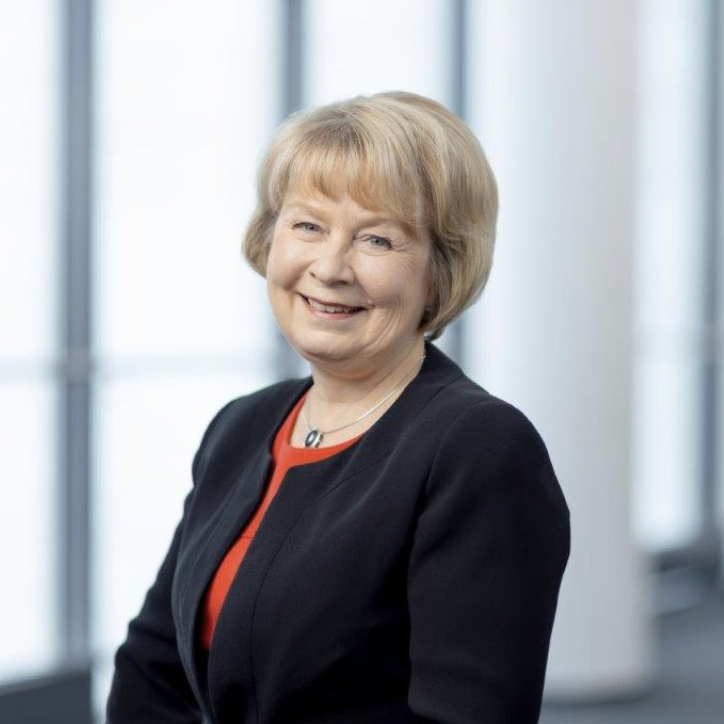
Fingrid's Asta Sihvonen-Punkka emphasizes the importance of dialogue
Asta Sihvonen-Punkka, CEO of transmission system operator Fingrid, sees exceptionally strong conditions in eastern Finland for both new electricity generation and investments in the hydrogen economy and electricity-intensive industry. Network development cannot be done with blinders on; communication between project developers and Fingrid is essential.
Finland's transmission grid is strong on a European scale. Finland is a unified electricity price area, electricity prices are among the most affordable in Europe, and the transmission grid is in very good condition compared to other countries. In recent years, Fingrid has responded to the energy transition with substantial investments: last fall, the company's ten-year investment program was increased from EUR 4 billion to EUR 5.2 billion.
“We are investing in the grid because it must be sufficient to enable new production and consumption projects,” saysAsta Sihvonen-Punkka, CEO of Fingrid.
The pace of investment has accelerated sharply. Fingrid's annual investments have increased fivefold in five years, and major projects have been completed ahead of schedule. For example, the Aurora line connecting Finland and Sweden was completed a month and a half earlier than planned.
From the perspective of the electricity grid, Finland is currently divided unevenly. In western Finland, the connection of production is limited, while in southern Finland, the connection of new industrial consumption has been hampered by transmission capacity constraints.
Eastern Finland is currently the only region in Finland where both new production and new consumption can be connected to the grid. The existing grid in eastern Finland can accommodate up to approximately 1,000 megawatts of new consumption in a decentralized manner. In addition, the region has a strong 110-kilovolt grid and several upgraded substations, which create good conditions for hydrogen plants, data centers, and other electricity-intensive industries, for example.
You can't build a network with your eyes closed.
Eastern Finland also has good conditions for the construction of new wind power, which is essential for the hydrogen economy and the electricity needs of industry. However, there are major challenges related to radar and defense issues, as well as licensing.
Fingrid has initiated a dialogue with the defense forces, ministries, and provinces in order to identify areas where wind power can be built.
"It is difficult for us to build the grid with our eyes closed if we are not certain that production can actually be connected to the grid," says Sihvonen-Punkka.
As wind power projects progress, the transmission grid will also be reinforced. The design and construction of 400-kilovolt power lines takes 7–8 years, which coincides well with the timeframes of large energy and industrial projects.
Investments in eastern Finland
Fingrid has already made and is currently making significant investments in the electricity network in eastern Finland. Numerous 110-kilovolt network reinforcements and several 400-kilovolt projects are underway or in the planning stage.
The Järvilinja project will strengthen north-south transmission capacity from Northern Ostrobothnia through Northern Savo to Southern Finland. An environmental impact assessment of the Huutokoski-Kontiolahti connection will begin in the spring. The new power line between the Nuojuankankaan and Itäjärvi substations will replace aging infrastructure and increase connection capacity in the 2030s.
In addition to these, Fingrid has worked with distribution network companies to draw up a separate development proposal for the Eastern Finland network, which is continuously updated as part of the transmission network development plan, says Sihvonen-Punkka.
Hydrogen economy revolutionizes electricity consumption
The hydrogen economy will have a significant impact on Finland's electricity system. According to Fingrid's scenarios, electricity consumption could double by 2035, with around half of this growth linked to hydrogen and the hydrogen economy.
Hydrogen production is electricity-intensive, but at the same time it offers flexibility to the system. Electrolyzers can be utilized according to market conditions, and hydrogen can be stored. It is particularly efficient to locate hydrogen production close to electricity generation, as this reduces the load on the transmission network.
Eastern Finland plays an important role not only in terms of investment but also in terms of security of supply. A more decentralized production structure improves the resilience of the system: wind conditions vary from region to region, and the geographical distribution of production balances out the risks.
"It is important that production capacity is not overly concentrated in one area," Sihvonen-Punkka emphasizes.
Fingrid sees a clear need in the future for weather-independent capacity that will ensure sufficient electricity supply during cold and windless periods. Close cooperation is underway with Gasgrid Finland to assess what kind of electricity and hydrogen infrastructure an industrial-scale hydrogen economy would require and what the timetable for this would be.
Nordic cooperation is getting stronger
Cooperation between Finland and Sweden is emphasized in the energy transition. The completion of the Aurora connection and plans for the Aurora 2 line will further increase transmission capacity between northern Finland and northern Sweden.
At the same time, green steel and hydrogen economy projects planned on the Swedish side reinforce the need for cross-border energy and hydrogen infrastructure.
Strong energy transmission connections between countries benefit both sides, Sihvonen-Punkka notes.
“Keep us up to date”
Fingrid's key message to project developers, municipalities, and regional operators is clear: information and dialogue are crucial.
"When we are kept up to date on the progress of projects, we can plan network development at the right time," says Sihvonen-Punkka.
Eastern Finland has an exceptional opportunity to become a key part of Finland's hydrogen economy and industrial electrification. From the perspective of the transmission grid, the conditions are in place. The decisive factor now is how quickly and boldly these opportunities will be exploited.
Olli Sipilä, Gasgrid: The hydrogen economy is undergoing a transition
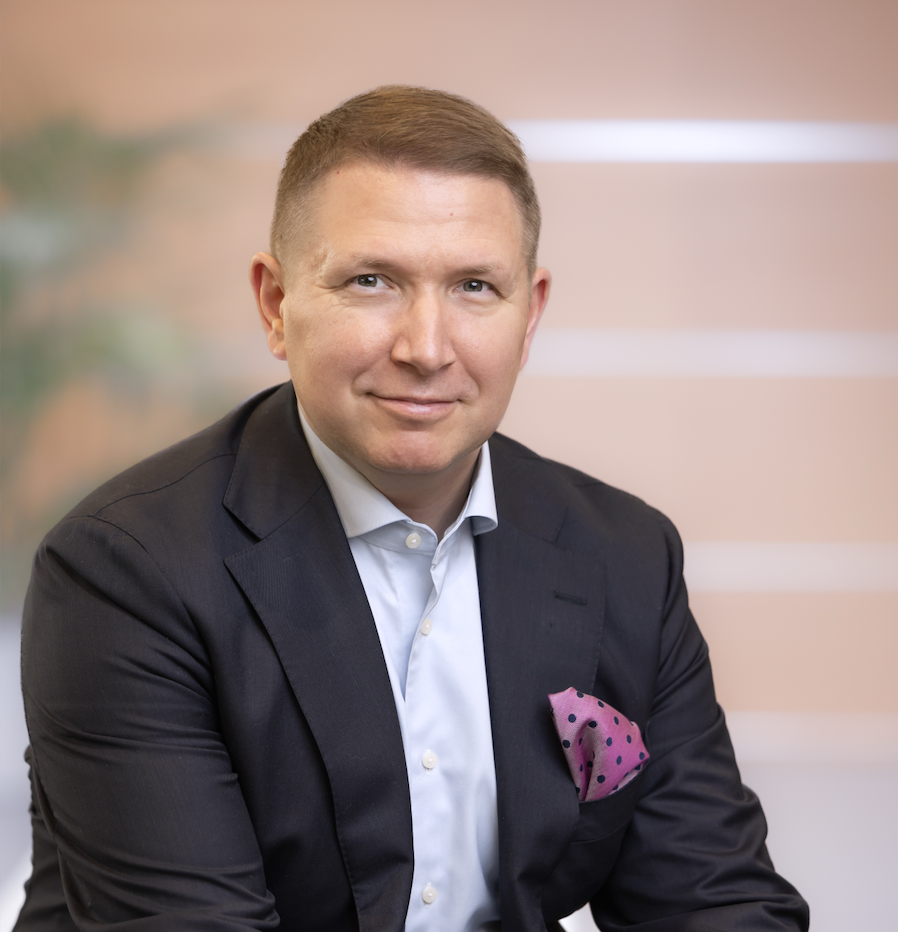
Finland's energy system and industrial base are undergoing a transition. Electrification is progressing rapidly, but it alone is not enough to meet the requirements of carbon neutrality, self-sufficiency, and competitiveness. The rise of hydrogen and its derivatives to a key role requires an understanding of the entire value chain.
According to Olli Sipilä, CEO of Gasgrid Finland, hydrogen plays a significant role as part of a broader energy and industrial system. Finland has an exceptionally strong position in this development, and Eastern Finland in particular has a real opportunity to become an industrial hub for the hydrogen economy.
Sipilä has a clear basic premise: anything that can reasonably be electrified should be electrified. However, in industry, heavy transport, maritime transport, air transport, and certain chemical and processing industry processes, direct electrification is not yet technically or economically feasible.
"In these sectors, hydrogen refined from electricity and its derivatives, such as synthetic methane, methanol, ammonia, and e-fuels, are key products," says Sipilä.
Finland's leading position is based on abundant, clean, and affordable renewable electricity, particularly wind and solar power, which are, however, dependent on weather conditions. This, in turn, increases the need for storage and energy transmission. The greater the amounts of energy and the longer the transmission distances, the more important the role of hydrogen infrastructure as part of the overall energy system becomes.
Growth phase will not begin until 2035
The European hydrogen economy is developing step by step, and the time frame is long. According to Sipilä, the mid-2030s and beyond will be crucial for real market growth. Even though progress is slow, infrastructure planning and construction must begin in good time.
The most extensive environmental impact assessment in the country's history is currently underway, concerning the construction of a hydrogen transmission network, which is expected to be completed by 2027. The initial goal is to build a hydrogen pipeline network covering approximately 1,500 kilometers. At the same time, legislation is being prepared and close cooperation is being carried out with regional actors and hydrogen valleys. This is not just a technical project, but a complete reconstruction of the entire industrial operating environment for the coming decades, Sipilä describes the magnitude of the change.
Demand in the early stages of the hydrogen economy will not be generated by market forces, but will be driven by regulation. The impact of regulation, particularly at EU level, will begin to have a significant effect in the 2030s and will intensify from 2035 onwards. With stricter targets, hydrogen and its derivatives will become competitive solutions in sectors where emission reductions cannot otherwise be achieved.
According to Sipilä, the first real breakthroughs in the hydrogen economy are most likely to be seen in heavy transport, maritime and air transport, the chemical industry, oil refining, and, in the long term, the steel industry.
Several projects, such as synthetic fuels and green steel, are already under development, but the opening up of the market requires the simultaneous implementation of several factors: regulation, investment support, infrastructure, and functioning value chains, Sipilä lists.
Eastern Finland's particular strength lies in bio-based carbon dioxide
Eastern Finland's strengths in the hydrogen economy are particularly related to further processing and the utilization of bio-based carbon dioxide. The region has a strong industrial history. It has industrial plants and ports, as well as a methane pipeline network, which is partly oversized for current use. Sipilä believes that the infrastructure opens up opportunities for rapid change, such as converting old duplicate pipes for the transport of hydrogen or synthetic methane.
Eastern Finland has realistic prospects of developing into a regional cluster for the hydrogen economy, provided that the market sends a sufficiently strong signal. From Gasgrid's perspective, planning always starts from the actual needs of hydrogen producers and users, which is why the activity of regional operators is crucial.
The use of bio-based carbon dioxide in the production of synthetic fuels could multiply the value creation of industrial plants. Currently, the biggest bottleneck is regulatory uncertainty, particularly at the EU level. Clear and predictable regulation would unlock significant investments.
Attention to the entire value chain
The next ten years will be the initial phase of growth for the hydrogen economy, during which cooperation will be critical. Successful projects are built on a customer-oriented approach that takes into account the entire value chain: from production to logistics, processing, and end use. Buyers have options, and Finnish hydrogen production must be able to compete in the global market.
According to Sipilä, various support mechanisms and public participation are also essential at this stage.
It is not a question of permanent dependence on subsidies, but of opening up the market and starting the learning curve – just as was done with wind and solar power in their time.
The key issue for the hydrogen economy lies in the commercial value of hydrogen and its derivatives. The EU's ambitious targets are not all "bankable" as such, but they do represent a significant initial market.
"If Finland succeeds in building functional value chains and gaining market share as early as the beginning of the 2030s, this will represent a very significant industrial opportunity for a country the size of Finland," Sipilä believes.
The greatest uncertainty relates to the stability of politics and regulation. Industrial operators and international investors need long-term visibility in order to launch billion-euro investments. Strengthening investment confidence is becoming one of the most important tasks for the public sector.
Lessons learned from wind power apply to the hydrogen economy
Sipilä compares the current state of the hydrogen economy to the development of wind power in the early 2000s. Uncertainty, subsidy models, and competitiveness were the main issues at the time, until investments, learning, and economies of scale began to rapidly reduce costs.
The same development curve also lies ahead for hydrogen, although the time frame is long and will require several phases of hype and cooling off, he points out.
The hydrogen market in Germany and, more broadly, in Central Europe as a whole, is a significant driver for Finland. In areas where electrification is more difficult and heavy industry is concentrated, the demand for hydrogen is growing rapidly. Finland can act as a supplier of both pure hydrogen and higher value-added products.
Sipilä emphasizes that green hydrogen itself is already a highly refined product, and an industrial structure based on renewable electricity will inevitably generate surplus.
The better this surplus can be commercialized, for example as synthetic fuels, the more competitive the entire industrial ecosystem will be.
Although the hydrogen economy is currently experiencing a period of uncertainty, the long-term outlook remains strong. On the contrary, energy self-sufficiency, supply chain resilience, and competitive clean energy are becoming increasingly important societal goals. At the heart of these megatrends, the hydrogen economy offers Finland, and eastern Finland in particular, exceptional growth opportunities, but only if players dare to build value chains now.
Sami Laakkonen, Strategy Director for the City of Joensuu: Without a 400-kilovolt connection, investments will flow elsewhere.
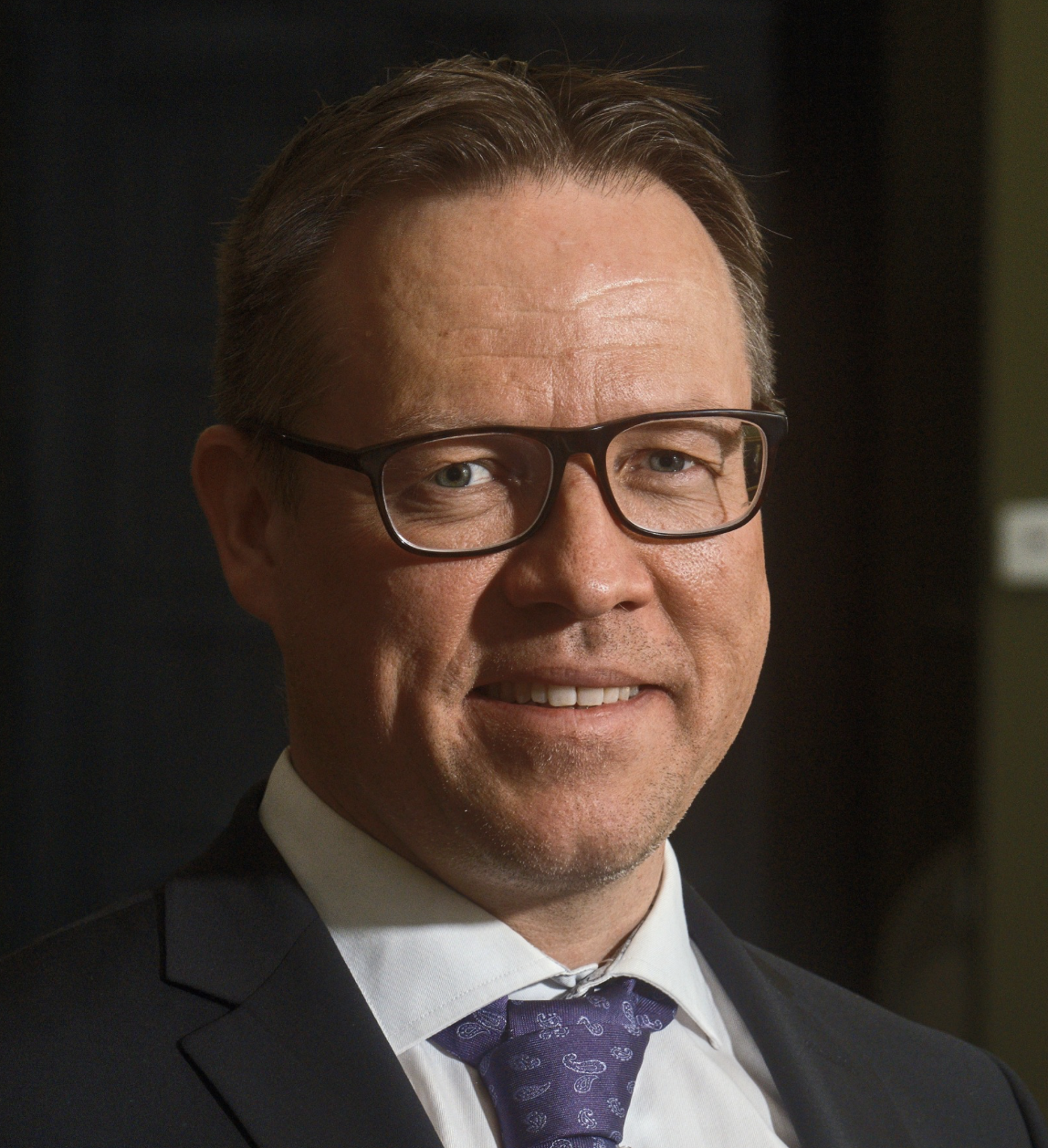
According to Sami Laakkonen, Strategy Director for the City of Joensuu, without a 400-kilovolt transmission grid, North Karelia and the whole of Eastern Finland are not on an equal footing when it comes to competing for major industrial investments, data centers, and hydrogen economy projects. This is not just a matter of technical infrastructure, but of jobs and vitality for the entire region.
According to Laakkonen, the lack of a transmission grid in North Karelia has long been overlooked in national discussions. North Karelia is currently the only province in Finland that is not covered by a 400-kilovolt transmission grid. This puts the entire region at a disadvantage when competing for electricity-intensive investments.
"An area that is not covered by the 400-meter radius is not as competitive in terms of investment in the long run," Laakkonen says.
According to Laakkonen, competitiveness is particularly evident in the location of data centers. Large international operators are looking for locations with a strong backbone network nearby – preferably one that is already in place and will be strengthened in the future. In addition to the availability and transmission capacity of electricity, other decisive factors include the availability of land, zoning readiness, and cooling solutions.
Joensuu and North Karelia have succeeded in attracting investments, but the largest projects have so far been directed elsewhere in Finland. Laakkonen emphasizes that this is not a coincidence, but a result of structural deficiencies in the backbone network.
400 kilovolt connection to Joensuu finally underway
A ray of hope is that the long-standing message from Joensuu and North Karelia has finally been heard at the national level. In its mid-spring review, Orpo's government outlined plans to extend the 400-kilovolt transmission grid to North Karelia, and Fingrid has launched an environmental impact assessment from Joroinen to the Kontiolahti substation.
"We are now in 2026, and I would say that the connection must be in place by 2033 at the latest," Laakkonen estimates.
Laakkonen emphasizes that this is not just a decision on paper. Transmission grid projects are multi-stage and slow, which is why every year and every month counts. Investment decisions are being made now, and investors are looking at several alternative locations in parallel. An area with an uncertain schedule will easily be left behind.
Therefore, from Joensuu's perspective, it is crucial that planning, environmental impact assessments, expropriations, and construction proceed as smoothly as possible. Delays in the schedule are not just a technical problem—they are a direct threat to the vitality of the region.
The chicken-and-egg dilemma belongs in the trash
Laakkonen is critical of the so-called chicken-and-egg problem, where strengthening the transmission grid is justified only by secure investments, and investments, in turn, require a ready-made grid.
It's pointless to talk about this chicken-and-egg situation. If there are two comparable areas and one already has a 400-kilovolt connection, it's obvious which one will win.
According to him, private capital does not make decisions based on uncertainty. Investors need a vision not only for the present but also for future expansion phases: how electricity production and consumption can grow in the coming years. In this sense, the transmission grid is not a reactive service, but a strategic investment that enables the entire green transition.
Laakkonen also highlights long-term solutions, such as larger transmission corridors running through eastern Finland and the potential for wind power connected to them. At the same time, he emphasizes that the air surveillance capabilities of the defense forces and the construction of renewable energy are not mutually exclusive goals—they can be reconciled if there is a will to do so.
Municipalities play a key role: zoning, permits, and acceptability determine the pace
Although the transmission grid is a national issue, Laakkonen emphasizes the responsibility of municipalities. Joensuu has invested in proactive land use planning, land reservations, and close cooperation with distribution network companies.
– Getting land use plans in order with the most proactive zoning possible – that is the most important thing. If the plans are ready and legally valid, investment can proceed without years of delay.
The role of municipalities is to act as a platform that brings companies, network operators, and authorities together around the same table. The more thoroughly matters are prepared in advance, the faster investment decisions can be made.
Appeal procedures and redemption processes that delay projects Laakkonen defends citizens' right to influence their own living environment. At the same time, however, he calls for moderation. Years of endless appeals and under-resourced authorities can easily become a bottleneck for society as a whole.
The acceptability of projects is based above all on fairness: landowners must be paid appropriate compensation, and the benefits of the projects must be communicated clearly and comprehensively.
The energy system must be viewed as a whole
The entire debate on the transmission grid should be linked to the broader energy system as a whole. The hydrogen economy, wind power, nuclear power, hydropower, and district heating are not separate pieces, but part of the same whole, which requires strong transmission connections.
In Joensuu, the review focuses on the P2X plant, which combines a hydrogen plant, bioethanol production, and district heating. The planned unit will be located directly next to Savon Voima's CHP plant, and the heat generated in the process will be utilized in the city's district heating network. The project is an excellent example of how an energy system can be built efficiently and sustainably when the basic infrastructure is in place.
MEMBERS INTRODUCED: Bergmann
Even minor contractual issues are decisive in hydrogen projects
Hydrogen projects have become a key part of Finland's green transition. The size, complexity, and international nature of these projects are growing rapidly, and the role of law has shifted from a supporting function to one of the most critical factors for success.

Karoliina Rytkönenworks as a Senior Associate at Bergmann, a law firm specializing in renewable energy and green transition projects, infrastructure, and industrial plant construction law. According to her, the most significant risks in hydrogen projects are often not technical, but rather related to contract chains, the definition of responsibilities, and the overall management of permits.
Bergmann operates on a "one-stop shop" principle: the same legal team is involved in the project from project development to financing, construction, transactions, and any disputes that may arise.
"Hydrogen is a natural part of the whole for us, as it combines our two core areas: green transition regulation and the demanding world of plant construction contracts," Rytkönen explains.
Hydrogen projects simultaneously touch upon energy market regulation, environmental and licensing issues, land use and zoning, plant and infrastructure agreements, and long chains of contractors and subcontractors. Coordinating all of this requires a comprehensive overview and broad legal expertise.
Typically, the assignment becomes relevant when the project is approaching the construction phase and the developer or investor wants to ensure its "ready-to-build" status.
– The project may be purchased or sold on, or funding may be sought for it. In such cases, a comprehensive legal assessment is carried out: land lease agreements, permits, outstanding liabilities and obligations, explains Rytkönen.
Due diligence is not just a mechanical "check the box" exercise. Banks and investors take potential risks seriously, and proactively addressing deficiencies supports the success of the financing round. At the start of the construction phase, another key customer group is contractors, equipment suppliers, and developers who want to ensure that the contract serves its purpose and does not contain unnecessary risks.
The delay may be caused by a single valve.
According to Rytkönen, major disputes rarely arise from ill will. Everyone agrees when the contract is signed, but as the project progresses, the world has time to change.
Raw material prices are rising, deliveries are delayed, and technical solutions are being updated. That's when the agreement starts to be reinterpreted, Rytkönen points out.
When drafting a successful agreement, it is essential to identify potential variables and prepare for them by agreeing on responsibilities and procedures in advance. However, even a carefully drafted agreement cannot always cover everything: a balance between certainty and flexibility is needed.
When the unexpected happens and there are suddenly no clear steps to follow, principles guide us in the right direction – although they inevitably involve more room for interpretation.
It is understandable that the agreement seeks to exclude risks on one's own side. However, it is often better to try to share them based on who has the best opportunity to influence the matter. Many problems can be avoided simply by ensuring that the party responsible under the agreement is actually in control.
Anticipation is particularly important in long contract chains, where the failure of a single link—even a small but essential component—can have significant consequences.
Let's imagine, for example, a subcontractor's ten-ton valve, the absence of which could, in the worst case, shut down a facility worth tens of millions. To ensure that the consequences are not borne by those higher up in the contract chain, the limits of liability must be "back-to-back" and the subcontractor's financial capacity and reliability must be sufficient.
Three practical tips for project developers
Rytkönen highlights three factors that are overrepresented in problem situations:
1. Write things down – even if everyone thinks they know.
In Finland, we rely on silent mutual understanding, but when it comes to financing or disputes, that is not enough.
– When something is put down on paper, it leaves evidence. Not to mention that often, the process of turning a shared idea into a contract reveals that the parties' views were not yet aligned.
2. Use your own judgment.
"The municipality was okay with this" does not necessarily mean that everything is fine.
It is easy to dismiss concerns as unnecessary if the issue was not seen as a problem during the permit process. However, things can slip through even a civil servant's scrutiny, and the permit application may well be rejected even if the error was made by the authorities. It is worth listening to the building inspector, Tukesia, or even the local fire chief, but you will sleep better at night if you make sure that you are on safe ground yourself.
3. Consult an expert before proceeding.
Correcting mistakes is more expensive than prevention.
Whether you need a lawyer, technical expert, or financial modeler, asking questions early on saves money and time.
Social acceptability is also a deciding factor in licensing
Approval is often perceived as slow, especially during the zoning phase. Rytkönen also considers zoning to be one of the worst bottlenecks.
– This stage naturally attracts complaints due to the wider circle of stakeholders and the subject matter concerning location issues. Once the plan has become legally binding, the subsequent stages often proceed more smoothly.
However, complaints, or at least their success, can be prevented. Statistically, a granted formula or permit often fails because some detail has not been sufficiently clarified – not because the project itself is illegal.
Listening to local interests and views is also one of the cornerstones of an effective permit process.
– A sensible course of action is usually guided by factors other than direct legal obligations or rights. Openness and dialogue between the municipality and landowners mitigate conflicts and misunderstandings that could otherwise escalate into administrative court proceedings.
Hydrogen projects are value chains, not individual projects
One characteristic feature of hydrogen projects is their structure. Rytkönen emphasizes that there is rarely just one contractual relationship behind them. Hydrogen and renewable energy projects require extensive expertise and an overview of the whole picture.
Usually, there are several, even dozens of agreements: contractors, equipment suppliers, network operators, financiers, landowners, consultants, the project company itself, and its shareholders. When coordinating these parties, it is important to understand the overall business logic, regulations, technology, and contract chains. Legal matters are part of the ecosystem, not a separate island.
The more actors are involved, the more important it is to understand one's own role and its limits.
– A lawyer who is familiar with the matter knows how to write who does what. But someone must first create an appropriate division of labor, Rytkönen summarizes.
Rytkönen encourages project participants to identify where their own and others' resources are sufficient, to create a clear division of roles, and to do their part with honor. That will take you a long way.
NEWS FROM US AND THE WORLD
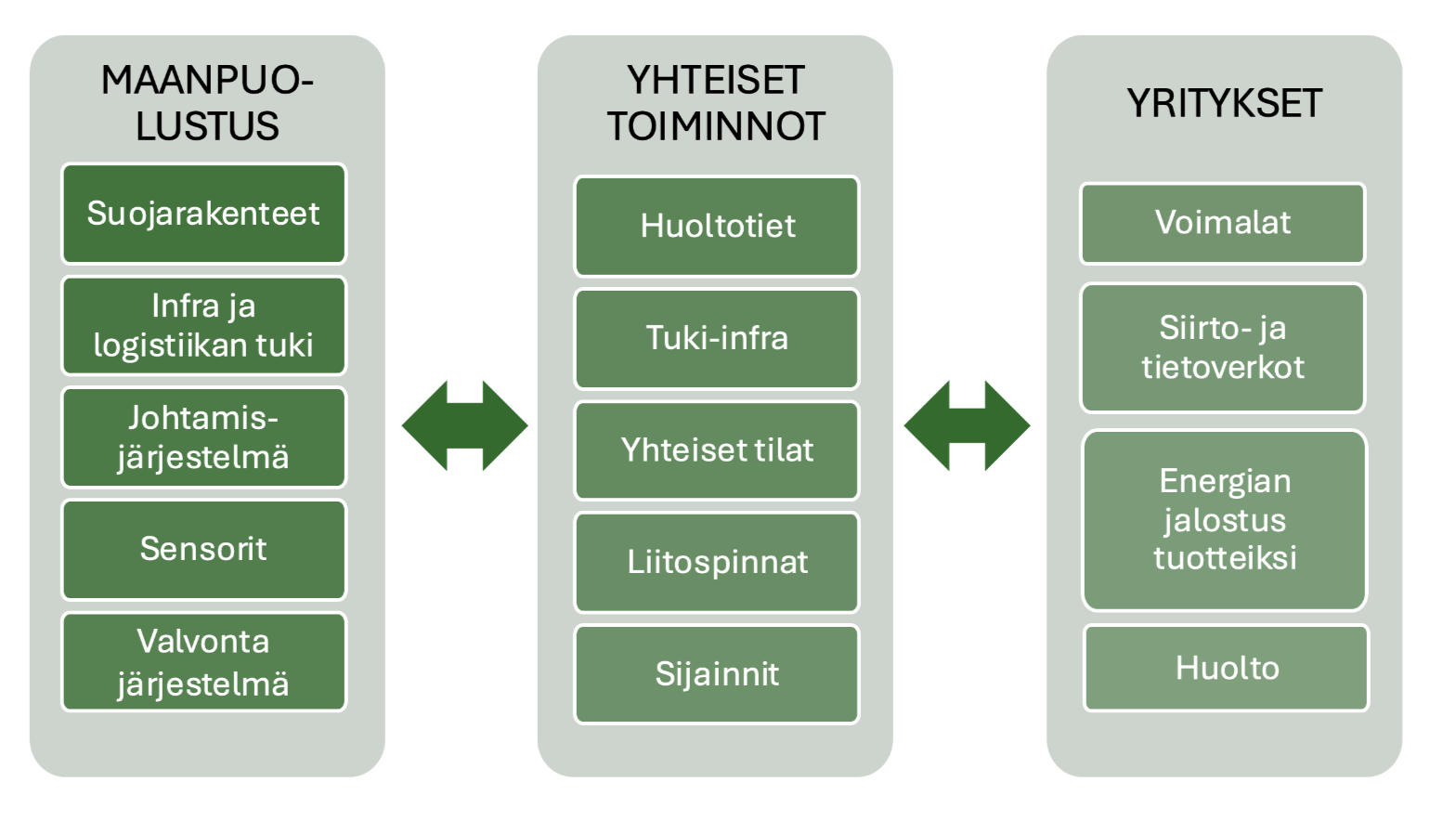
The ResilEast program, which promotes vitality, growth, and security, has been recognized by the EU.
The European Commission published a comprehensive set of measures to support the Union's eastern border regions, such as Finland. The Commission's communication takes into account the impact of the ResilEast program. The measures, which respond to the challenges posed by the changed security situation and promote regional vitality through, among other things, energy technology, are in line with the ResilEast program.
The eastern border regions are critical to the security of Europe as a whole. The Commission is responding to hybrid threats and disruptions to infrastructure with a number of initiatives. ResilEast is mentioned in the communication, which also calls for cooperation between different actors.
Following the initial planning phase of the ResilEast program, LUT University will begin investigating the feasibility of implementing a crisis-resistant, low-emission energy system, new technological solutions, and future fuel production during the spring.
In addition to the energy system study, a study is being planned to determine what requirements geographical and regional characteristics impose on the location of an energy system that increases security. The prerequisite for implementing the geographic information project to investigate investment opportunities is obtaining funding.
The aim is to complete the studies within the next few years. In addition to the studies, the ResilEast program plan will include targets based on the specific characteristics of each region and will take into account the implementation of the program in eastern Finland across regional boundaries.
The starting point for the ResilEast program is that the radar problem currently preventing its implementation will be solved with the help of technology. Both the investigation of energy technology solutions and the location data survey will lay the groundwork for solving the radar problem.
In addition to energy technology and location data analysis, the third pillar of the program is advocacy, which involves engaging key stakeholders in active discussion and communication to ensure the program's implementation. The focus of communication is on maintaining and increasing the vitality of eastern Finland through investments in renewable energy.
Since its launch, the ResilEast program has been communicated to numerous political influencers and officials in personal meetings. Together with Sitra, a seminar was organized for a large group of officials, lobbyists, decision-makers, and energy sector operators. The program has been presentedto Prime MinisterPetteri Orpo, MEPsMerja KyllönenandEero Heinäluoma, andEU CommissionerRaffaele Fitto, among others. The program was presented to members of parliament from eastern and northern Finland via a webinar. The program has received a positive and encouraging response from all target groups.
In the future, more information about the program will be provided to companies, especially those in the defense sector, which have already expressed interest. One of the main goals is to have the program included in the next government program. Funding opportunities for implementing the program are being actively explored.
We will report on the progress of the ResilEast program in each newsletter. If you would like to participate in the implementation of the program, or if you have ideas related to the program, please send a message to tommi.siikaniva@vetylaakso.fi.
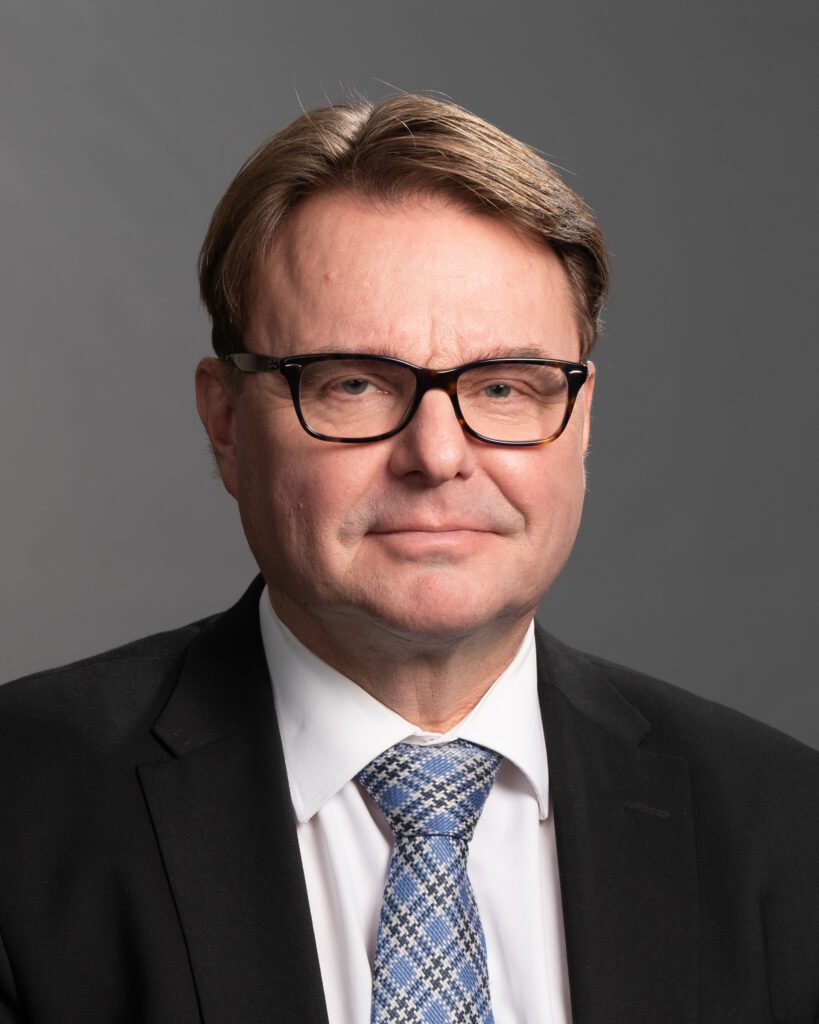
LUT University and Research Director Petteri Laaksonen promoted as energy transition advocates of the year
LUT University and Petteri Laaksonen are doing long-term, impactful work to promote the Finnish energy transition. LUT University and Petteri Laaksonen were also voted the audience's favorite at the Wind Oulu seminar.
Combining technology, economics, and social sciences, LUT University has made a name for itself as a pioneer in the energy transition and a promoter of clean energy solutions for industry and society. Laaksonen, who has had a long career in industry, works at LUT on topics such as the energy transition, Power-to-X technology, and the hydrogen economy. He also serves on the boards of several startups.
LUT University is a key producer of information related to renewable energy, combining strong basic research with applied work and understandable science communication.
The award aims to highlight the importance of research and science at a time when their value is increasingly being challenged. University research creates legitimacy, expertise, and innovations that will carry us far into the future and enable the development of a sustainable energy system in Finland, the jury explains.
"At LUT, we conduct internationally renowned research to provide society and industry with clean energy solutions. This also helps to boost Finland's economy. I am truly grateful and honored that our contribution to promoting the energy transition has been recognized with such a wonderful award,Petteri Laaksonencomments.
The Energy Transition Promoter of the Year Award (formerly Wind Power Award) is given to an initiative or activity that has contributed to supporting or accelerating the growth and development of renewable energy in Finland. This year's jury consisted ofMatti Vanhanen,Antti Herlin, Chairman of the Board of KONE Corporation, andJulia Sangervo, psychologist, researcher, and politician.
Source: Suomen Uusiutuvat ry (Finnish Renewable Energy Association)
Investments in the green transition totaled over €8 billion in 2025, and new projects worth €24 billion were launched.
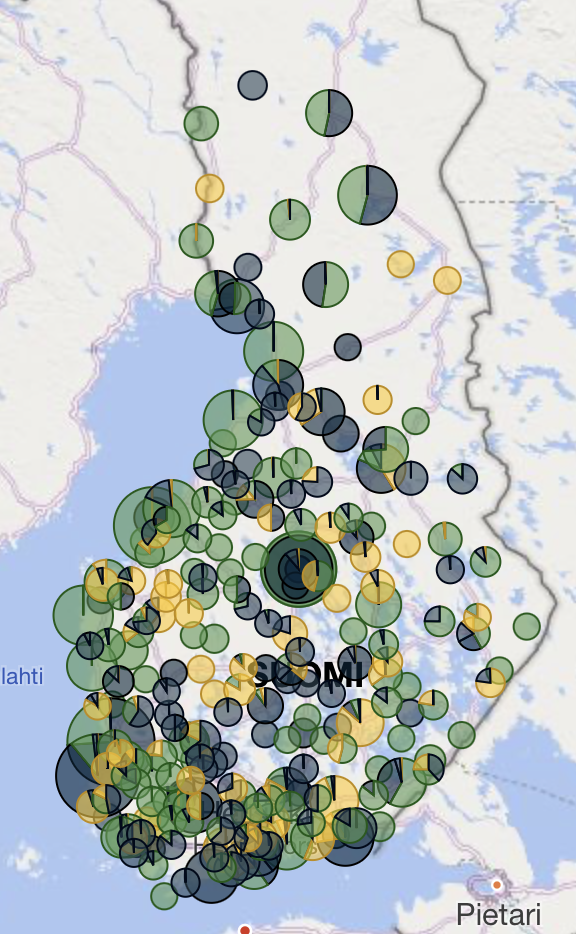
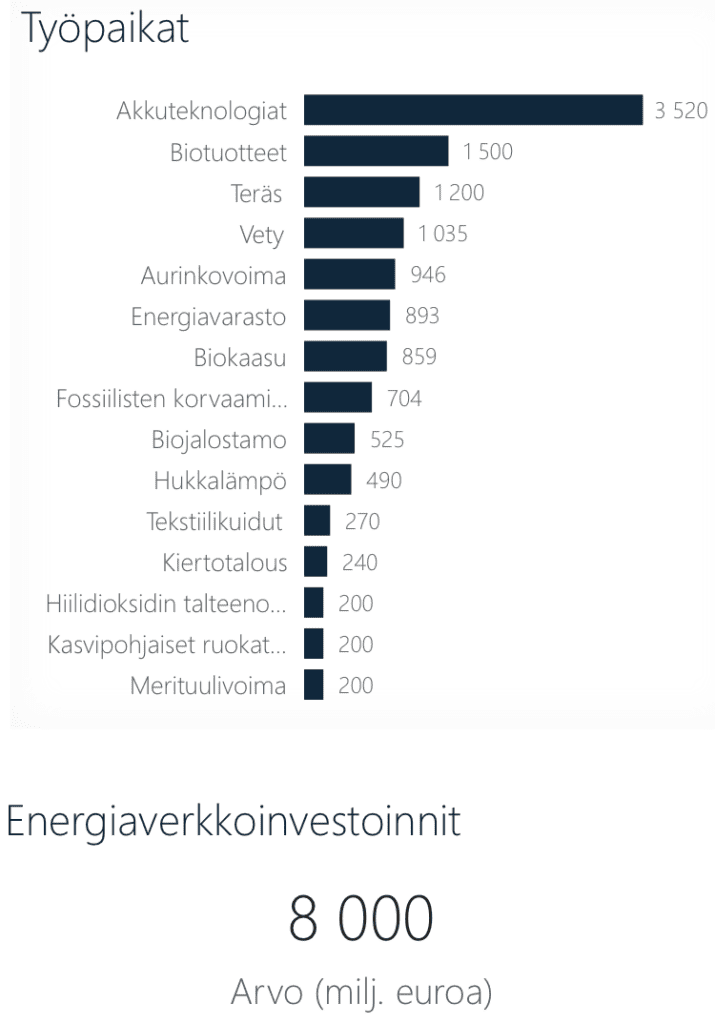
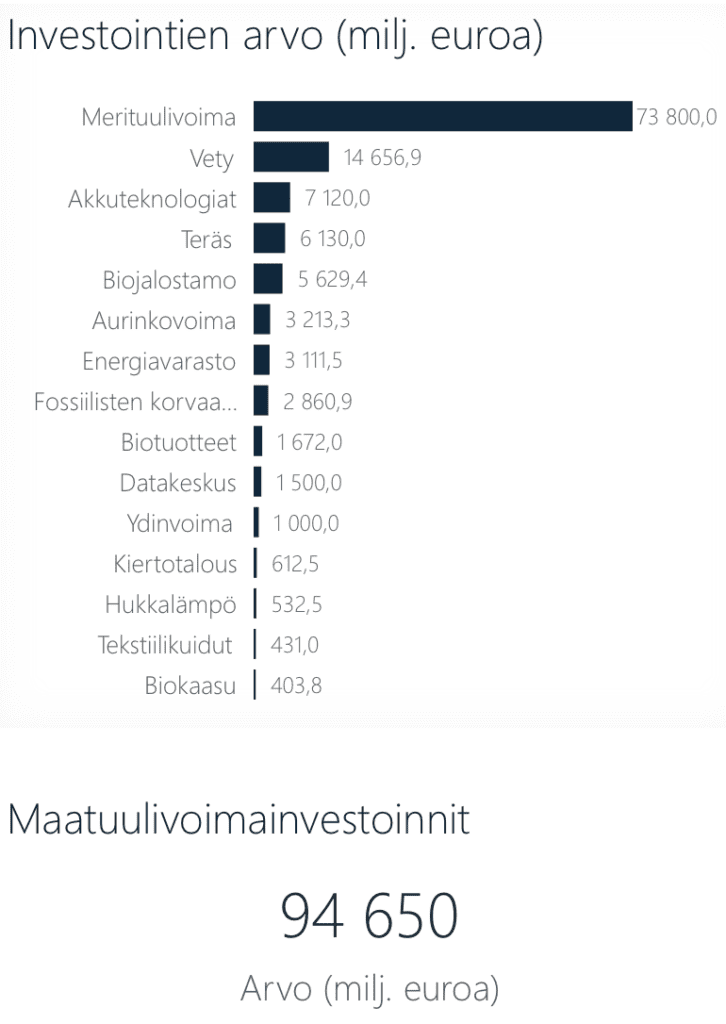
Last year, investments worth over €8 billion were made in Finland in the green transition, which is a record level in the history of EK's data window monitoring. A good energy system has given Finland a head start as an investment environment, but comparable countries are striving to catch up with their own extensive investment programs. Continuing the tax incentive would be a concrete way for Finland to strengthen its own appeal.
According to data maintained by EK, there are more than 1,250 green transition investment projects in various stages of development in Finland, with a total value of more than €300 billion.
The projects have progressed strongly, and investments in the green transition have become a significant driver of the Finnish economy, according toJanne Peljo, a leading expert at the Confederation of Finnish Industries (EK).
In 2025, a record level was achieved in the statistical history of the data window, with projects worth over €8 billion completed. Behind these figures are investments in onshore wind power and data centers, as well as individual large-scale manufacturing projects. A total of 174 projects were completed last year. Dataikkuna's monitoring extends to 2021, by which time a total of more than €26 billion worth of green transition investments will have been completed in Finland. In addition, investment decisions have been made on projects worth a total of €18 billion, Peljo says.
Almost 280 new projects were also launched across the country last year, worth around €24 billion. In terms of number of projects, investments related to energy storage and data centers stand out. In terms of euro value, the largest categories are data centers (over €12 billion) and hydrogen plants (nearly €7 billion).
Read the whole story here
Source: Confederation of Finnish Industries
Xamk's annual publication compiles information on energy preparedness
Energy security is no longer just a technical or operational issue. It is a key component of the sustainability and crisis resilience of municipalities, businesses, and society. Xamk's latest annual publication brings together three areas of energy preparedness that shape regional and national security of supply: medium-depth geoenergy, battery energy storage, and hydrogen systems. Together, these solutions build a modern, decentralized, and resilient energy system.
In the articles published in the annual report, energy preparedness is not only presented as a means of managing threats, but also as a regional opportunity. It is a way to increase self-sufficiency, develop the innovative capacity of companies, and strengthen the practical implementation of the green transition.
Geoenergy research environment: local self-sufficiency and technological leadership
The medium-depth geoenergy research environment built in Sunila, Kotka, is a unique complex centered around an 817-meter-deep energy well. The facility combines geoenergy, solar power, wind power, and battery storage, providing an opportunity to test various hybrid solutions as well as the self-sufficiency of buildings and preparedness for disruptions.
The phasing of the project (design, drilling, automation, testing) and its extensive cooperation network provide municipalities and companies with concrete information on the feasibility and benefits of medium-depth energy wells. The research environment enables the reliable and long-term testing of new geoenergy solutions. It produces information on, for example, the functionality of medium-depth energy wells, energy efficiency, ground source heat pumps, storage capacity, and various charging solutions. Until now, such information has been available only to a limited extent in Finland.
Battery storage puts housing companies at the forefront of the energy transition
Another key theme is the coordination of solar power and battery storage, particularly in housing associations. The article on battery technology highlights that even a 1 kWh battery can increase the self-consumption rate of solar power to almost complete self-sufficiency (99.7%), and the payback period for the investment can be as short as 1.5 years.
The simulations are based on an apartment building in Kotka, and the results show that even small batteries can deliver significant technical and economic benefits, while the benefits of larger batteries quickly level off.
Battery solutions also support energy preparedness on a larger scale: they reduce the load on the power grid, enable the creation of energy communities, and improve the operational reliability of buildings during power outages.
Hydrogen container offers a new platform for preparedness and skills development
The third major section of the publication presents Xamk's hydrogen system test platform, the "hydrogen container." The PEM electrolyzer, hydrogen compressor, storage tanks, and fuel cell built into the container form a system that can:
- practice the safe use and maintenance of hydrogen systems.
- produce renewable hydrogen locally
- store energy for long periods
- converts hydrogen back into electricity and heat
The hydrogen container serves as a tool for both research and education. It can be used to simulate decentralized energy networks and test the role of hydrogen as a backup power source or in hybrid systems.
Towards greater energy self-sufficiency
The annual publication highlights how rapidly the energy sector is changing and how diverse the solutions needed to ensure future energy self-sufficiency are. Geoenergy, battery storage, and hydrogen are not alternatives to each other, but complementary pieces of a new energy system. All three solutions—geoenergy, battery storage, and hydrogen systems—share the same basic idea: energy security cannot be achieved with a single solution, but rather with a multi-layered system that combines renewable energy sources, storage, control, and data.
According to the publication, energy preparedness is primarily a proactive and developmental activity in which research and piloting generate information to support the rapidly advancing energy transition. Accordingto Turo Laine, head of the Energy Technology Research Unit, Xamk's role is to act as a platform builder and a place where ideas are turned into tested solutions. From Xamk's perspective, energy preparedness is not just a field of research, but a strategic part of the green transition and sustainable growth in the region.
Source: Xamk
UPCOMING EVENTS
Backbone network webinar March 3, 1:00–2:00 p.m.
Welcome to our webinar on March 3 to hear about current and important issues concerning strategic network planning and development projects for the transmission grid and their impact on industrial investments in eastern Finland. The webinar will present fresh perspectives and seek solutions for cooperation between regional energy companies and Fingrid to accelerate investments.
The event will be opened byJami Holtari, CEO of Suomen Vetylaakso ry. The panel discussion will featureJukka Ruusunen, Professor of Industry at LUT University,Tommi Asp, Strategic Network Planning Expert at Fingrid, andMikael Venäläinen, CEO of Suur-Savon Sähkö.
Join the webinar here
Finnish Hydrogen Valley Association Annual General Meeting March 31, 2:00–4:00 p.m. – mark your calendars!
Welcome to the annual meeting of Suomen Vetylaakso at the premises of Energiateollisuus ry. It is also possible to participate in the meeting via Teams. The invitation and link will be sent later.
Address: Eteläranta 10, 00130 Helsinki. Access via the reception on the 2nd floor. Paid parking spaces are available on the Eteläranta side of the Old Market Hall and in the harbor area. Tram 2 stops in front of the building.

Power Cost Summit brings energy technology influencers to Kotka on April 21–22.
The largest business event in the Power Coast region will bring together key players in industry, energy, technology, and regional development at the Satama Arena in Kotka on April 21–22, 2026. Formerly known as the Kymenlaakso Summit, the revamped event offers topical speeches, insights, and concrete encounters that will lead to new opportunities and cooperation. The event is free of charge for participants, and registration is now open. Now in its third year, the event has established itself as an important meeting place for leaders in the hydrogen industry. The three-day event focuses on the hydrogen economy and its entire value chain – from research, development, and startups to end-use products.
Finland's Hydrogen Valley is part of Power Coast – join us!
Register here!
Seminar on the potential of the hydrogen economy in the Imatra region, May 26, 2026
Welcome to a seminar focusing on the opportunities offered by the green transition and the hydrogen economy in the Imatra region. The seminar is organized by the European Union co-funded projectGreen Hydrogen and Carbon Dioxide Power for Southeast Finland, in cooperation with co-implementers Imatran Seudun Kehitysyhtiö Oy and Suomen Vetylaakso ry. In addition to the project, the city of Imatra is also involved in the cooperation.
Seminar venue:Kulttuuritalo Virta, Karelia Hall. Address: Virastokatu 1, 55100 Imatra
Date:Tuesday, May 26, 2026, from 1:00 p.m. to 4:30 p.m.
The event will be opened byMatias Hilden, Mayor of Imatra. Speakers includeMarkku Kivistö andJuha Peltomäki, Business Finland; Jarno Sederlund, Fingrid;CEOJami Holtari, SuomenVetylaakso ry;Research DirectorPetteri Laaksonen, LUT University; andProjectEngineerNiko Salonen, Norsk e-Fuel.
The seminar is free of charge, but advance registration is required by May 8, 2026 here.
Join us now!
The Finnish Hydrogen Valley Association provides its members with interesting and up-to-date information on the opportunities offered by the hydrogen economy and renewable energy. We are your organisation's voice in the industry and make sure that the issues that are important to you are brought to the attention of decision-makers. We network actively, meet energy industry leaders on a regular basis and get the latest information on industry developments for your benefit.
We will provide you with regular briefings on industry developments, company visits, a newsletter six times a year, media coverage on topics that are important to you, visibility on social media channels and we will be your organisation's communications support to get your message across to your stakeholders. Looking after your interests is our job.
Join our growing team here or call Jami Holtari 040 055 1435 or Tommi Siikaniva 0400 885 747 and we'll tell you more.
Subscribe to the newsletter and give feedback
Tell us what you want to hear about in our newsletters and give us your feedback. All feedback is very important to us and we do our best to ensure that each newsletter is interesting and informative.
If you have something topical to inform us about, please feel free to send us a message. You should also follow our linkkarme: https://www.linkedin.com/company/suomen-vetylaakso-ry
Newsletter subscription:
- http://eepurl.com/iJCuto
- order by e-mail: tommi.siikaniva@vetylaakso.fi or office@vetylaakso.fi
Green hydrogen and carbon dioxide to power South-East Finland is an ERDF-funded group project in the Renewable and Competent Finland 2021-2027 programme. The main implementer is LUT University, where the Finnish Hydrogen Valley Association is one of the co-implementers.
Copyright (C) *|2026|* *|Suomen Vetylaakso ry|*. All rights reserved. Our office email address is: Office@vetylaakso.fi