EDITORIAL
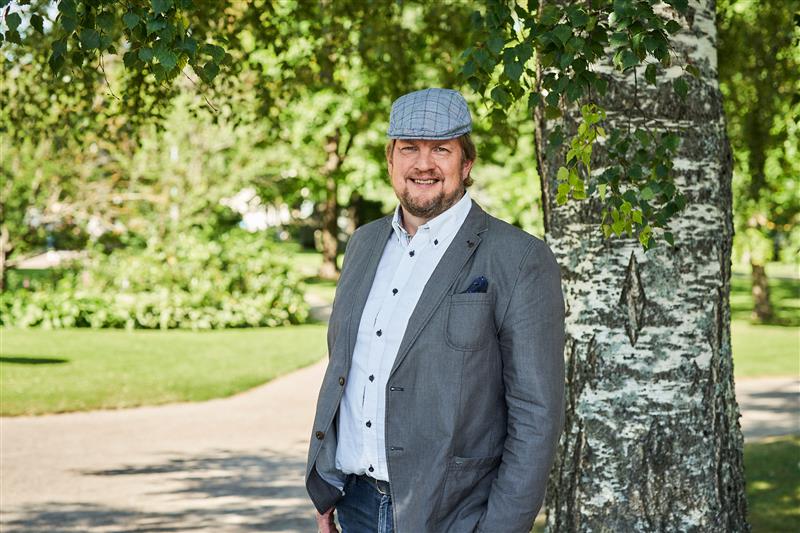
A warm summer greeting, friends of the green transition!
It's good to start pausing amidst the greenery and light of summer, to calm your mind and take some time to recover. Looking at the balance of the early part of the year, we can be quite satisfied with our achievements in the Finnish Hydrogen Valley; the sector is making positive progress even in the eastern zones.
There are already 60 active and diverse players in Hydrogen Valley. World changes and developments in the sector keep us constantly alert and we have refined our strategy to better respond to the future. You will hear more about this in the autumn.
Investment news is coming in at a relatively good pace across the eastern sub-regions, and confidence is bolstered by EK's views on the realisation of the potential created by government investment subsidies this year.
During the spring season, Finland's Hydrogen Valley has been seen and heard all over our country and beyond. We have been at more than 30 different events, met more than 30 different companies and more than 30 municipal decision-makers. We have had good visibility in the media nationwide and have met a dozen editors-in-chief. Our advocacy work has built our association into a truly credible player in the field of the hydrogen economy.
The most concrete example of advocacy has been the preparation of the ResilEast programme. We launched the programme on 13 May at the Energy Days of Eastern Finland through various channels and received good national attention. Our next step is to work ResilEast into a fundable form, as a package of projects, in order to sell the programme to the state and the EU for implementation. Finland's Hydrogen Valley will continue to play an active role in the programme as a communicator and we will keep you well informed on how the programme is progressing. Next up, we will be at SuomiAreena on Friday 27 June to highlight the potential of ResilEast. If you feel that you or your organisation could contribute to this, please contact us!
In the autumn, we will continue our strong advocacy and service to our members. Our communication has taken big steps forward since Tommi Siikaniva joined us, and the results speak for themselves. Communications will continue to be refined to better serve the needs of our members and stakeholders. We will offer you even more networking opportunities and even new business opportunities. We will always be present at the most important events in the sector to take your message forward, thus improving the chances of Eastern Finland to attract investment. The playing field is big and the game is just beginning, but together we can win it and build an Eastern hydrogen cluster to boost our vitality. If at the same time we solve the challenges of defending the eastern border, then this is a game where all Finns win.
Finally, I wish you a very peaceful and green summer! See you at the hydrogen kiosks in Lappeenranta harbour!
Jami Holtari
Managing Director, Finnish Hydrogen Valley Association
General: a viable Eastern Finland is a prerequisite for the security of Finland as a whole
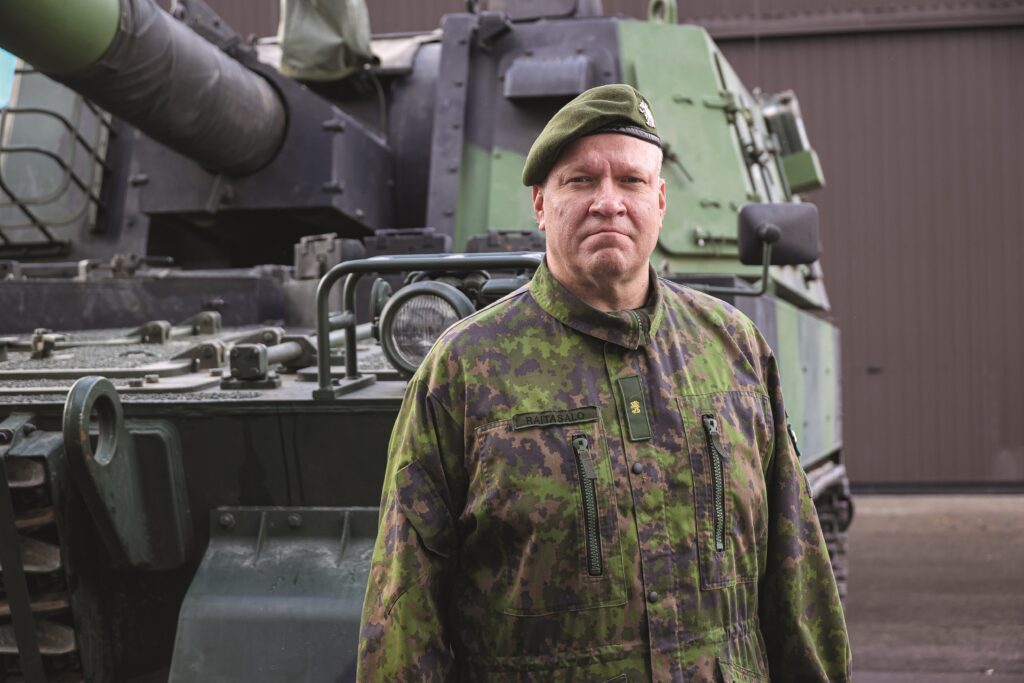
According to Brigadier General Jyri Raitasalo, Commander of the Karelian Brigade, Finland's security environment is changing and preparedness requires continuous development both nationally and internationally. Finland is part of a military alliance and we now have broader shoulders, but at the same time more obligations. Finland defends every square centimetre and preparedness is more important now than ever.
In the coming years, Finland's position will be most affected by developments in Russia and the continuation and outcome of the war in Ukraine. Competition between the great powers, especially the United States and China, and the redefinition of relations between Russia and the West will create new tensions throughout Europe and in Finland.
- Russia and China have been challenging the Western powers for a decade. Now the continental plates are shifting - the US role in Europe and NATO's internal cohesion are under constant scrutiny," Raitasalo says.
According to Raitasalo, Finland has been preparing for the changed security situation for some time, but since February 2022 in particular, the focus has been on strengthening defence. Strengthening defence has been essential.
- With NATO membership, we are helping to define our role and the functioning of the Alliance as a whole," says Raitasalo.
Finland therefore has the opportunity to play an active role in NATO and contribute to shaping its activities and development. NATO is a defence alliance of 32 member states, and it is up to the member states themselves to decide what kind of alliance we build. Raitasalo stresses that Finland's overall security model is exceptionally well-functioning internationally, but at the same time points out that preparedness is not free and that we must be prepared to invest in security in the future.
Every square centimetre is defended
Keeping eastern Finland populated and vital is important for national defence, according to Raitasalo. Viable regions are a guarantee of security. The vitality of eastern Finland, the diversity of its energy supply and the strengthening of its overall security are key, according to Raitasalo.
- If some countries and citizens are excluded from development, they are exposed to hybrid influences. This would undermine overall security. In addition, the presence of infrastructure and population in the region will allow for effective defence and rapid response in crisis situations," the General guides.
The lessons of the war in Ukraine are also evident in Finland's defence thinking. These include the development of various combat techniques; the use of drones, improving their interception capabilities, the dispersal of troops, sheltering, grounding and camouflage.
- We have applied the lessons of the war in Ukraine to training and material procurement. Finland's defence doctrine is still based on defending the whole country; every square centimetre is defended, whether there is infrastructure or not," Raitasalo says.
According to Raitasalo, the recent Ukrainian drone attacks against Russian strategic targets are an example of the development of dynamic approaches and weapons systems. Ukraine is cleverly exploiting new technologies by striking from far behind to cripple the Russians' ability to attack. Recent drone strikes against bombers and a train carrying tanks are examples of this.
- Ukraine has shown a capacity for innovation, and Russia, with its army of crushers, is quick to copy and extend these lessons. It is a constant race for innovation," he analyses.
Energy diversity is key to supporting national defence
According to Raitasalo, energy diversity and security of supply are essential for the resilience of national defence, especially in crisis situations. Energy supply must be guaranteed in all circumstances.
- Diversified energy production and storage support uninterrupted security of supply. The level of preparedness in eastern Finland is good by European standards, but further efforts are needed everywhere. So far we have managed with little, but now we need to invest in preparedness and the time to act is now," Raitasalo stresses.
To increase resilience, a national energy security programme, ResilEast, was launched in the spring by Eastern Finnish stakeholders. Raitasalo is cautiously positive about the programme. In terms of energy supply, he stresses the ability to repair damage caused by enemy strikes in a potential war situation and to restore energy supply quickly.
- The programme is full of declarations, but the analysis of defence and military logic must be clarified. It is important that preparedness programmes also take account of defence aspects," he points out.
Harriet Lonka, leader of the North Savo Union's cluster on total security: total security is everyone's responsibility
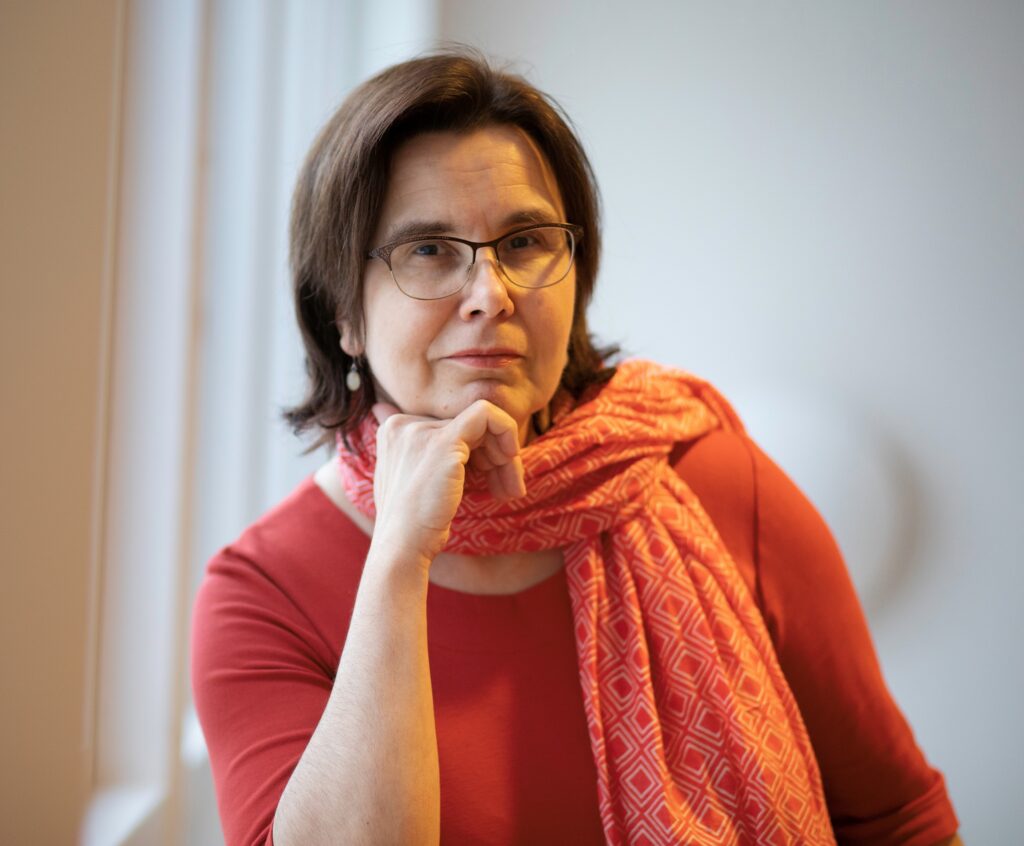
Overall safety has become a topic of discussion and concern in Finland in recent years. The model is based on strong cooperation - authorities, companies, organisations and citizens working together to ensure the vital functions of society. Harriet Lonka, the leader of the North Savo Union's cluster on total security, is an experienced expert in preparedness and risk management who sees that real security is built on everyone's everyday actions and community responsibility.
According to Longa, it's about learning to understand that preparing for any unexpected situation is based on how we organise our everyday activities and actions.
- Total security is not about someone somewhere making me feel safe, but about how our society works so that it is able to function in all circumstances," Lonka sums up.
In the model of total security, the whole of Finnish society is committed to ensuring security in all situations. According to Longa, the idea of total security, in line with the society's security strategy, is the involvement of the whole society.
- We need to understand what our society is. It is a modern, interdependent society in which we are all active participants. I like the concept of agency myself. I think it is a good description of the different kinds of agency through which we are involved. Nobody gets a day off from this.
Cybersecurity - from home devices to national security
One concrete example of everyday security is cybersecurity. Even small devices in the home can be part of a wider security network - or a threat. A good example is cybersecurity. If you're a small business that subcontracts out, it's important to take care of cybersecurity - antivirus, passwords and so on.
- In Mikko Hypponen's example, the latest cyber attack was based on a huge number of airfryers, which formed a gateway to a denial of service attack via the network," says Lonka.
He stresses that protecting your home wireless network is an everyday security measure. Wifi is a danger when the router is not sufficiently protected Unprotected devices are gateways to the network, and then the network can be bombarded. It's not just computers - robotic vacuum cleaners, fridges and other smart devices in the home can also be part of the attack chain if they are not properly protected.
Cybersecurity has also become increasingly important at the level of municipalities and basic services. According to Longa, there has been an increase in cyber disruptions to critical infrastructure in municipalities, such as water, waste and energy.
- If there is no water from the tap, waste bins are not emptied or homes are not heated during winter frosts, the consequences quickly become visible in the daily lives of local residents. Digitalisation has brought new threats, but it also highlights the responsibility of individuals and communities to protect basic everyday services.
You are the key person
Lonka is critical of the idea of the "ordinary citizen" who simply follows instructions.
- I am annoyed by this concept of the ordinary citizen. It's some kind of pathetic creature who gets patted on the head and does something. It reinforces the idea that someone else is doing something important," Lonka says bluntly.
He points out that every worker, civil servant, shopkeeper or minister is also a citizen. Society is made up of these individuals. Everyone is an active participant in this modern, complex and interdependent society.
Everyday preparedness is concrete: it is good to have water, food and back-up power supplies at home in case of power cuts.
- Of course, it is important to take care of your home supply, that you have water and can have a power cut at any time. I have a small torch on my keyring and water bottles at home. The Swedish citizens' preparedness guidelines advise freezing small water bottles to act as a cold storage if necessary," says Lonka, explaining her own practices.
But preparedness is not limited to the home. Lonka reminds us that if you're in the metro and the power goes out, it doesn't help to have water at home. Anything can happen anywhere. It's how you act in a group, how you keep a cool head and help others that counts. You need an attitude. If you are in a tunnel with people in the subway, the rescue team will not arrive in the blink of an eye. You need to be able to act, to be an adult and to help others. Lonka gives a concrete instruction.
- In the morning, when you look in the mirror, tell yourself that you are the key person of the day. You are a key person in your own life and in Finland. Total security is not some strange isolated thing, it is our daily lives and how well we manage our daily lives.
Cooperation increases resilience
At the heart of overall security is the resilience of society, or crisis resilience. Lonka stresses that trust, cohesion and a positive belief in the future are essential.
- Trust in the authorities is important and a good thing, but it must not mean that we can just sit back and let someone always do the job.
He sees a lot of good things in Finland: cooperation with the authorities works, companies are involved and civil society takes responsibility.
- Compared to southern Europe, we have authorities that are used to working together. But that doesn't make us superheroes. We have a security of supply organisation based on a model originally taken from Switzerland. It's great that companies and civil society are willing to take responsibility - that's the strength of the Finnish system," Lonka says.
However, Lonka warns against over-satisfaction and calls for continuous development and critical reflection.
- I fear that we are too much under the illusion of complacency. We talk and talk, but we must also do. Cluster work takes things to the practical level, which means that the whole of society is involved.
The cluster model is business-led development and regional resilience
The cluster for total security launched in North Savo is a pilot project that extends its cooperation network beyond the borders of the regions and serves the whole of Finland, according to Longa.
- I consider regional or provincial development to be just the right context for putting the model of total security into practice. At the same time, I see this as a strong regional pilot that serves the needs of Finland as a whole. In line with our project plan, cluster work will extend its cooperation network beyond the borders of the regions and thus to the whole of Finland from the very beginning," Lonka emphasises.
The cluster brings together businesses, governments, educational institutions and organisations to develop solutions that support both business and societal resilience.
- This is precisely because our industry clusters - with businesses, government, research and educational institutions - are able to develop activities, including continuity management and new businesses, that support the resilience of society.
The cluster model aims to establish transnational cooperation and develop innovative solutions that strengthen the vitality and security of regions.
- This is not done by any central administration anywhere on Aleksanterinkatu or even in Kuopio Town Hall. This is our society, which we must build all the time. That is where total security comes from," Lonka sums up.
Universal conscription for women too
Lonka also highlights the importance of universal conscription in building civic and security awareness.
- Our support is this universal conscription. That is why I stress that what is essential is not just how well a conscript army versus a mercenary army works, but that the public understands how the whole of national defence works. That's why I think we should have a non-gender-specific, i.e. truly universal, military service, so that women can also be involved - then the whole age group will genuinely know and understand," Lonka argues.
Hydrogen and data - the ecosystem of the future
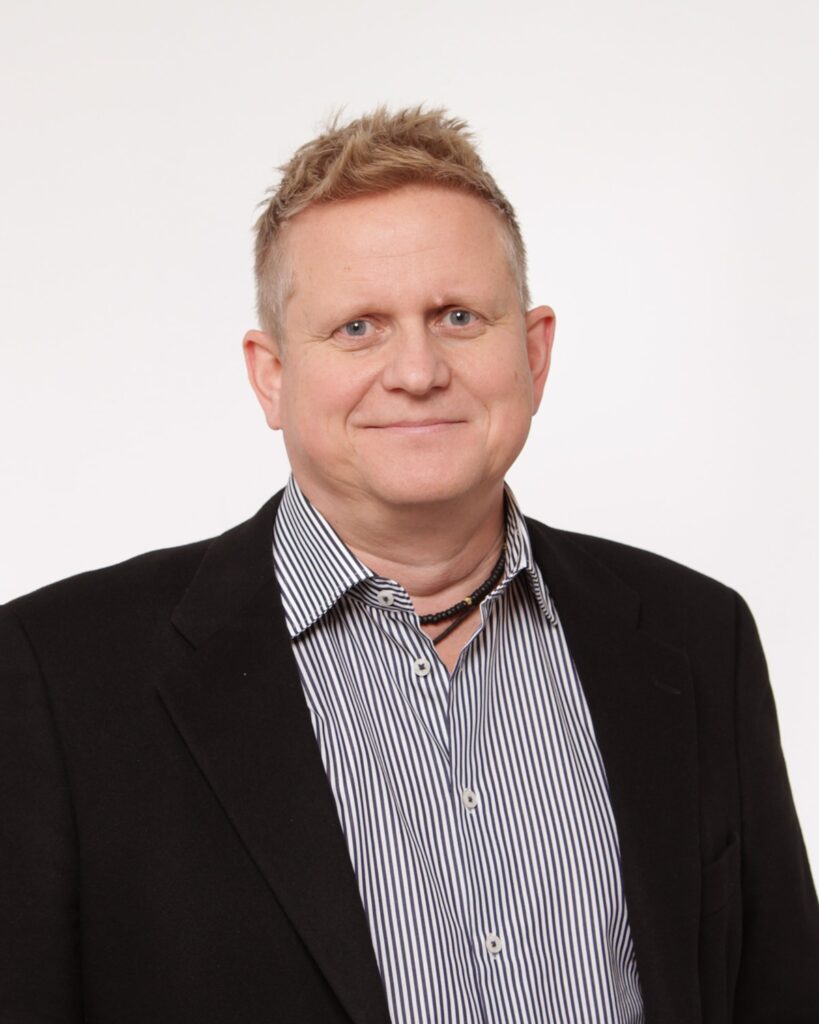
Real estate development company Redeven Timo Heiskanen is developing new industrial life on the site of the old Myllykoski paper mill. He is considering how hydrogen and data centres could intertwine in the future.
Redeve acquired the Myllykoski factory site in 2018. From the beginning, the potential uses of the site were considered in a variety of ways. Different uses for the factory site were considered, such as bioeconomy, hydrogen production or other industrial production.
The vast tracts of land and heavy infrastructure in the factory area make a wide range of industrial activities possible, but in recent years the data industry has been at the forefront of development. Redeve has been heavily involved in the development of the data centre and data industry, both in Myllykoski and in other locations.
CEO Timo Heiskanen describes how data centre activity has grown rapidly and plots have been sold to international operators.
- We have sold two plots of land in the Myllykoski area to Icelandic company AtNorth, which is now building data centres there.
While Redeve's recent focus has been on the data industry, Heiskanen sees that hydrogen and data centres could form an ecosystem of their own:
- Hydrogen and data centres could in some situations form a very interesting ecosystem, which is already being developed around the world. An example of this is backup engines. Instead of diesel, backup engines could use hydrogen, which would have to be available locally.
However, Heiskanen highlights the challenge of security of hydrogen supply, which may still be a barrier to wider deployment.
Flexibility from hydrogen to the grid and energy storage
The role of data centres in providing flexibility to the electricity grid is an interesting opportunity, according to Heiskanen. Data centres, combined with backup power, can provide security of use and can be a reserve of flexibility in the grid. He envisages possible synergies between hydrogen production and data centres.
- When electricity is cheap, green hydrogen is produced, and when there is a need or high prices, the hydrogen power plants provide power to the data centre, which also gives flexibility to the grid.
This type of energy flexibility mechanism can benefit both the hydrogen and data industries, especially as both are highly energy-intensive.
- As both industries are very energy-intensive and need large amounts of electricity, we are all connected to the same Fingrid network," Heiskanen summarises.
Heiskanen points out that the realisation of large investments is always uncertain. Someone said that Finland is going to have 100 data centres - 100 ideas or development projects may exist, but only time will tell how many of them will be realised.
- The same applies to hydrogen economy projects. A lot of projects never materialise, but that's part of the game.
He sees the importance of maintaining a dialogue in areas where both data centres and hydrogen plants are planned.
- The ecosystem must be built in cooperation and not in a mutually exclusive way.
Hydrogen Valley brings different industries together
Heiskanen wonders what kind of plans the hydrogen economy projects have to make use of waste heat. Is it the same thing to try to use district heating, or is there another use?
- My understanding is that no matter how the hydrogen is produced, temperatures are high and there is a lot of waste heat. Data centres, on the other hand, produce low temperature waste heat 24/7. If waste heat producing plants start coming on line, I bet there will be more available than anyone can absorb.
According to Heiskanen, Finland's Hydrogen Valley plays an important role in bringing together different industries.
- If opportunities arise somewhere where the data and hydrogen economy can meet, it is important that the communication and channel is there. It benefits all industries. This kind of cooperation is still new in Finland, but there are already examples from around the world.
According to Heiskanen, the industrial ecosystems of the future can emerge where bold players find common ground - and where hydrogen, data and energy intertwine in new ways. Redeve's story of the old paper mill site in Myllykoski is a good example.
- We still own 30 hectares of land in the Myllykoski area. There would also be room for hydrogen production, and that is not out of the question," Heiskanen hints.
POV: Gloves on and get to work
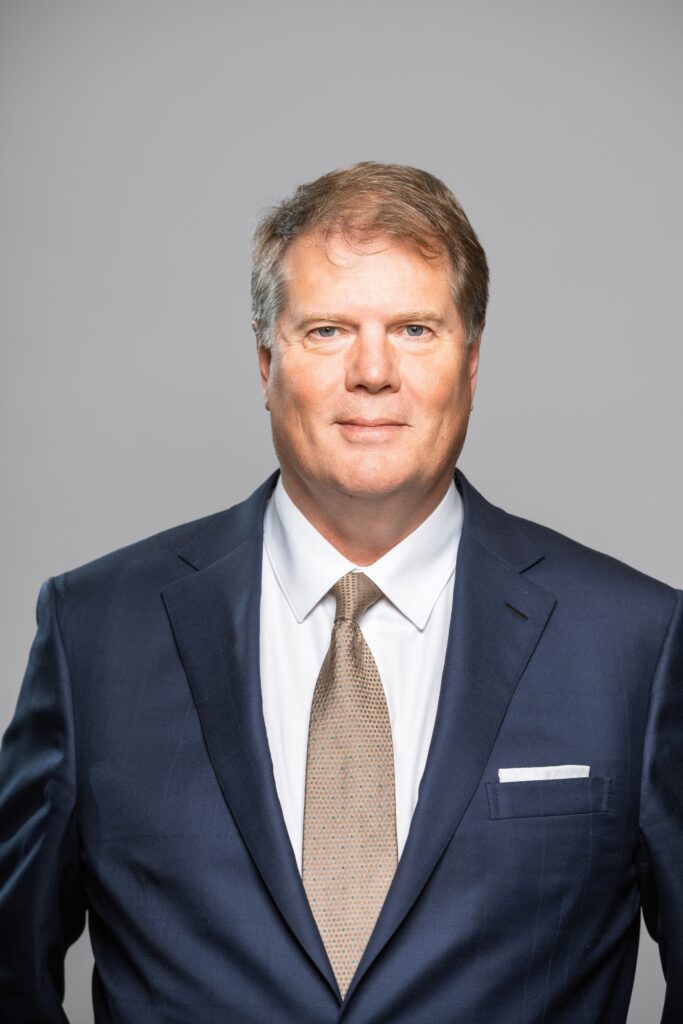
The government's Eastern Finland programme has been praised for its clear objectives and proposed measures, but its adequacy and effectiveness have been criticised. Harri Broman, the special representative of the Eastern Finland programme, emphasises the importance of Eastern Finland's own active involvement in developing the region's vitality.
Harri Broman is a long-standing entrepreneur and economic influencer. He is Chairman of the Board of the Broman Group, known for Motonet. He has also served as Chairman of the Board of the Confederation of Finnish Industries (EK).
The Orpheus government appointed Mr Broman as Special Representative for the Eastern Finland Programme. He said that the Eastern Finland Programme is an important part of the overall effort to increase vitality, but that it alone is not enough to reverse the region's development - it is the practical implementation and the region's own activity that is crucial.
The strength of the programme is its diversity: it proposes, among other things, the development of industrial clusters, attracting investment, improving accessibility and the possibility of creating a special economic zone.
Government action is a good start
In Broman's view, cutting and saving will not bring vitality. Only business, enterprise and investment can increase vitality. Skilled labour and labour migration are needed to support the growth phase. We also need pro-business fiscal decisions such as corporate taxation. These will certainly have an impact, but with a time lag.
- I think the government's measures are a good start. Growth is now up to businesses. Now is the time to start doing, not complaining. Growth is up to entrepreneurs, private owners. The ball is in our court.
According to Broman, the development decisions will improve the situation. Interest rates are no longer a barrier to investment and no longer a brake on private consumption, on buying.
- On all fronts, the situation is better than it was six months ago and the outlook is brighter. I can definitely see the light at the end of the tunnel.
A special economic zone would attract investment
The creation of a special economic zone has featured strongly both in the government's programme and in the views of business leaders. According to Harri Broman, the SEZ would be an excellent way of attracting investment, even if initially limited to pilot areas.
- A special economic zone experiment, including tax incentives and streamlined licensing, has been identified as a key project in the programme and is seen as crucial for investment and business. However, the whole of eastern Finland cannot yet be a special economic zone. If a new EU instrument for the countries on the border with Russia were to become available, then eastern Finland as a whole could be a beneficiary of EU support for infrastructure development. This instrument does not yet exist," says Broman.
According to Mr Broman, the Special Economic Zone or the Eastern Finland Programme alone will not solve the region's challenges, but will require an active approach and cooperation from the actors in the region.
- No programme will do things for us, but the 900 000 eastern Finns together will decide the direction," concludes Broman.
Cooperation in speeches, sub-optimisation in everyday life
The importance of cooperation is highlighted in the rhetoric, but in everyday life, cooperation between municipalities, cities and counties still faces practical challenges, such as sub-optimisations and self-interest.
Concrete action does not always meet the objectives of the speeches. Changing attitudes and understanding the common interest is a long process. This is not just an Eastern Finnish phenomenon, but a challenge for Finland as a whole.
- The idea that if a guy gets it, it's out of my hands is deeply ingrained in Finns. Instead, we should think that getting someone else supports our own activities and enables us to promote our own causes. No one gets anything by hooking a guy, says Broman
Infrastructure development and energy supply are key
Investment, licensing and, in particular, the construction of the electricity transmission network are critical prerequisites for vitality growth. The network is needed first, followed by investment.
For example, North Karelia is the only region that does not currently have a 400 kV grid, but the government's commitment and decision to recapitalise Fingrid will enable the network to be built in the coming years. This is a clear signal to investors and will enable future growth. Broman commends the government for this.
- A great decision by the government, thank you!
Overall, Broman believes that renewable energy has a big role to play in the development of eastern Finland.
- For wind power, we have a bit of a catch-22 due to radar constraints, but there are ideas for a solution with the Defence Forces. So far, we are lagging behind in renewable energy, which is essential for us.
The development of eastern Finland is not just a regional issue, but a matter of overall security and economic security for Finland as a whole. If eastern Finland becomes deserted, it will cause wider problems for the whole country. Therefore, the success of the programme requires the support and common will of the whole country. Ultimately, however, it is the people, businesses and decision-makers in the region who will make the difference.
- In the big picture, the success of eastern Finland is a matter for Finland as a whole. That in turn is a matter for the business community, especially for companies in Eastern Finland. Let's work together. Now put on your work gloves and get to work, Broman urges.
MEMBERS IN PRESENTATION: Saimaa Vocational College Sampo
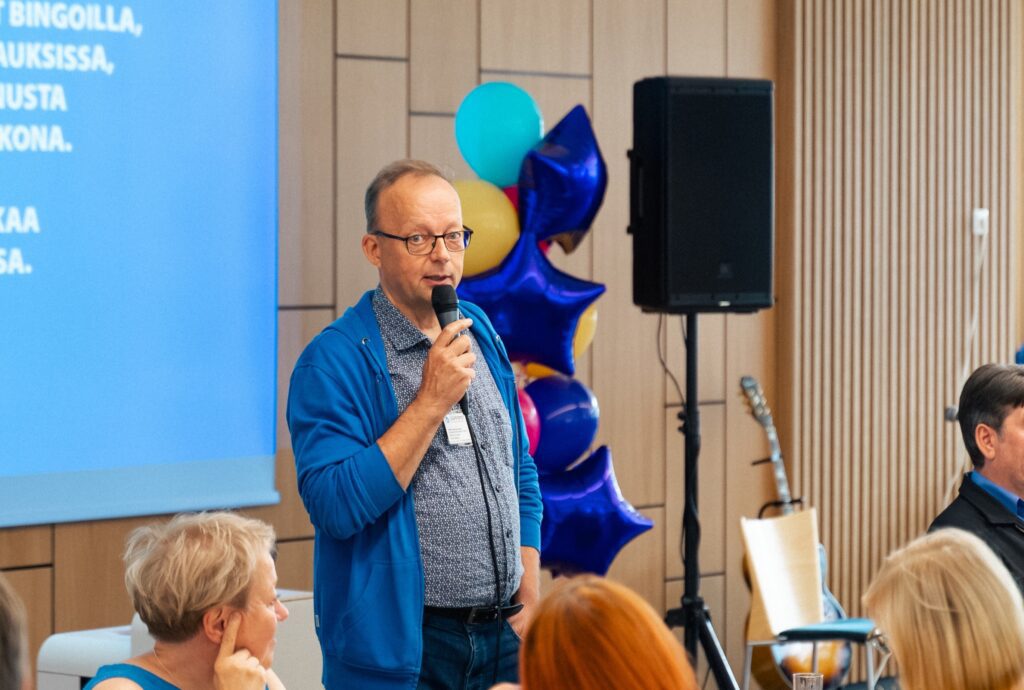
Welcome to the Finnish Hydrogen Valley Association Saimaa Vocational College Sampo!
Why did Sampo Vocational College of Saimaa join the Hydrogen Valley of Finland Rector Antti Lehmusvaara?
We want to play our part in ensuring the green transition and in particular the availability of the skills needed by the hydrogen industry in our region. We want to listen to businesses and anticipate their skills needs. It takes three years for students to graduate from undergraduate degrees, so we need to anticipate well in advance. Of course, students will be able to take on smaller units more quickly.
What expectations do you have for Finland's Hydrogen Valley?
Our aim is to meet and consult companies in the sector to anticipate their skills needs. This requires this issue to be addressed within the association, so we hope this will also be on the agenda for Hydrogen Valley.
How do you see the importance of renewable energy and the hydrogen economy in the teaching and activities of Saimaa Vocational College in general?
This is a key priority for our region and for our strategy, so we will do our best to promote skills in this area. We will try to promote training in the construction of electricity grids if we can recruit someone who is skilled in this field. So far, we have not been successful, because the best talent has many takers.
In the renewable energy sector, the debate on skills shortages comes up from time to time. How would you like to comment on this?
This is true and we call for cooperation between industry and other stakeholders to avoid this situation in the future.
What are the biggest development goals for Saimaa Vocational College in the coming years?
We need to keep up with changes in working life and support the demographic development of the province. This requires ever greater cooperation with the world of work and the ability to train people throughout the province. To deepen this cooperation, we will seek to tailor training courses in cooperation with employers and employers' organisations. For example, we have had good cooperation with forestry companies and other process industries in the region. Through apprenticeships, we have been able to serve the needs of large companies, and for example we have an effective partnership with Ovako.
Together with the Chamber of Commerce, we have launched a training audit process, during which our major training programmes were audited by companies and working life actors selected by the Chamber of Commerce. This spring, the audits were successfully completed in Social and Health Services and Electrical Engineering. We will continue the audits next autumn with the aim of ensuring the relevance of education to the world of work and implementing joint development projects to ensure the quality of education.
There is also much discussion about the migration deficit in south-east Finland and the need to keep the region inhabited. What role can Saimaa Vocational College play in this?
We must increasingly provide training where the jobs are in the region. Currently, about a third of our training takes place in the workplace. We can increase this a little more. Some of the theoretical courses can be taken online, but some of the manual skills will continue to be taught on the premises, so we cannot provide all of our training off-campus. However, we are moving in a direction where the importance of campuses is diminishing and the focus is shifting towards the location of workplaces and the places where students live.
What other essential points do you want to make?
By working together, we can achieve the best possible result. We will not succeed by working alone. Have a good summer, everyone.
NEWS FROM US AND THE WORLD
LUT University's P2X research environment is ready
The largest laboratory and digital infrastructure development project in the history of LUT University has been completed on the Lappeenranta campus. The new laboratories will explore Power-to-X technologies such as carbon capture, hydrogen production and synthetic fuels.
- The green transition and the P2X technology that supports it represent a huge opportunity for Finnish industry and companies in South-East Finland. Our new laboratories will enable experimental research in the field and promote new commercial breakthroughs," says Pertti Kauranen, Professor of Energy Storage at LUT University.
Finland has a huge advantage in the P2X business, because renewable electricity production can be increased cost-effectively and forest industry emissions can be converted into bio-based carbon dioxide for further processing. Read more here.
H2 Springboard boosts the hydrogen economy
The aim of Business Finland's H2 Springboard hydrogen programme is to generate maximum national economic added value from the most promising high-growth sector for Finland - the hydrogen economy, which, according to the strategy published by the hydrogen cluster, has an economic potential of EUR 34 billion. € 34 billion in 2035.
Hydrogen technologies and services represent more than €20 billion of the total annual potential of the hydrogen economy in Finland, and the vast majority of the estimated 100 000 potential new jobs will be created in this area. The H2 Springboard hydrogen programme aims to create an ecosystem in Finland that supports these goals, and to provide Finland with the new pillar of economic growth that the hydrogen economy has been longing for for decades.
Read more here.
Sumitomo SHI FW Energia Oy receives EUR 10 million in funding from Business Finland for its locomotive project
The Net Zero Energy Ecosystem project is developing integrated carbon reduction solutions. The project aims to meet climate targets and increase energy security by 2050. SFW will invest €50 million in RDI activities in Finland during the project.
Read more here.
HYGCEL study on how Finland's new energy infrastructure should be built
According to the HYGCEL study, the profitability of hydrogen production needs to be substantially improved. In addition, the potential for renewable electricity in Finland is much greater than expected. The better account is taken of nature and landscape values and the needs of the population, the more fully the potential can be exploited.
The study also shows that it is always cheaper to transport P2X end products such as synthetic fuels than electricity, carbon dioxide or hydrogen. In addition, the costs of transporting electricity and hydrogen are close to each other.
Read the final report of the study here.
Finland's Hydrogen Valley gave feedback to Fingrid on the future scenarios of the electricity system vision
Fingrid is working on an electricity system vision for Finland, looking at alternative development paths for the energy system and the development of the grid. Hydrogen Valley Finland provided feedback on the vision in order to ensure that the development work takes into account the realisation and development of the operating conditions of the members of Hydrogen Valley Finland as much as possible. The main comments on the hydrogen economy in relation to the feedback are:
1. The importance of the hydrogen economy was stressed and it was considered important that the further processing of hydrogen is taken into account in the scenarios. The growth of the hydrogen economy was seen as ambitious and subject to high uncertainties, but on the other hand the potential was seen as significant and therefore high growth was justified. The availability of bio-CO2 for further processing of hydrogen was seen as one of the driving factors for the positioning.
2. Due to uncertainties, the final demand for the lower hydrogen growth scenarios was lowered at European and Finnish level and the investment cost for electrolysers was increased. On the other hand, in the Notable Development scenario, the amount of hydrogen produced in Finland increased slightly due to changes in neighbouring countries.
3. The location of investments takes into account both the availability of the hydrogen network and bio-CO2, and partly for this reason, in the Hydrogen Mainstream scenario, the growth in Eastern Finland was increased from the draft scenarios. The possibility of co-location of production and consumption is also taken into account in the high hydrogen growth scenarios.
4. The route of the national hydrogen network is assessed according to Gasgrid's preliminary route options, with investments in the hydrogen industry mostly located along the hydrogen network, including also Eastern Finland, especially in the Hydrogen Mainstream scenario.
The final report of the System Vision will be published in the autumn, when we will inform you further.
Business development for free
Businesses in Kymenlaakso have the opportunity to develop their hydrogen economy and green transition business for free. Expert services are available free of charge. The company-specific expert service is free of charge to the company under de minimis conditions and is worth €2 000. The opportunity is provided by Cursor Oy, which is responsible for business services in the Kotka-Hamina region and Loviisa.
Read more here.
Briefings for our members start
After the summer holiday season, the Finnish Hydrogen Valley will launch webinars for members. The topics will cover a wide range of the most interesting and topical issues in the hydrogen economy and renewable energy. The speakers will represent some of the best in the country's economic and political scene. Stay tuned, we will tell you more after the summer.
UPCOMING EVENTS
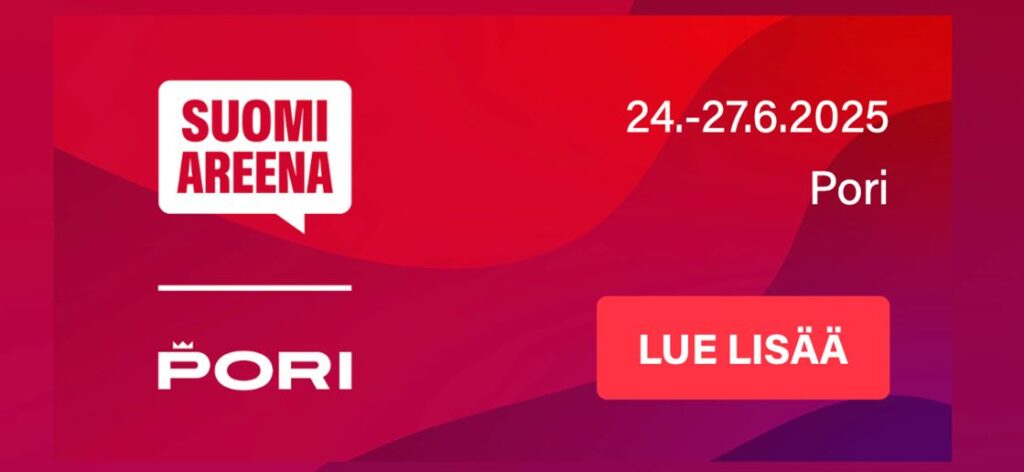
Finland's biggest social event SuomiAreena in Pori 24.-27.6.
The hydrogen arena brings together influencers, experts and citizens to discuss the potential of the hydrogen economy. This year's event will feature a record number of top speakers and, for the first time, an international hydrogen panel. The event will culminate on Friday 27 June at 11.00 with a panel on ResilEast - a 100 billion national defence energy programme for the eastern borders, moderated by Jami Holtari, CEO of Hydrogen Valley Finland.
Get to know the SuomiAreena programme here.
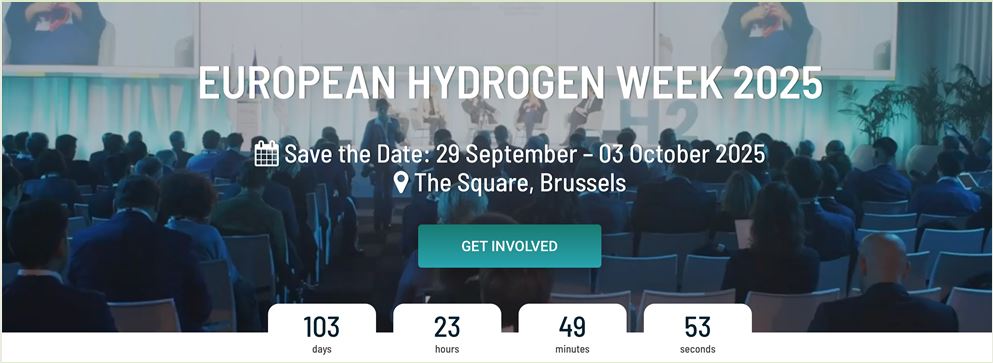
European Hydrogen Week Brussels 29.9.-3.10.2025
European Hydrogen Week 2025 is Europe's largest hydrogen event, bringing together industry leaders, companies, policy makers, researchers and investors in Brussels to discuss the role of hydrogen in Europe's green transition and future energy system.
Check out the European Hydrogen Week programme here.
Watch a video of last year's event here.
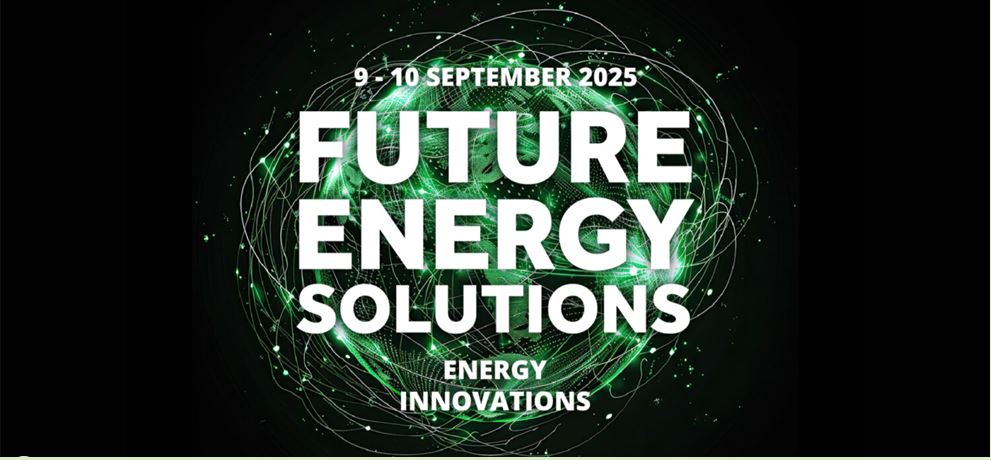
Future Energy Solutions 9.-10.9.2025 in Lappeenranta
The international Future Energy Solutions conference is held in Lappeenranta, Finland. The main theme is energy innovation and the conference sessions will focus on digital energy systems, the hydrogen economy and future mobility.
The keynote speakers are Sari Multala, Minister of Climate and Environment, and Pasi Vainikka, founder and board member of Solar Foods Oy. Top-level speakers from both the energy industry and the research community will be present. The varied programme includes workshops, visits and networking opportunities in the partner exhibition area and during the evening programme. The Finnish Hydrogen Valley is one of the organisers of the event.See the FES programme here
Join us now!
The Finnish Hydrogen Valley Association provides its members with interesting and up-to-date information on the opportunities offered by the hydrogen economy and renewable energy. We are your organisation's voice in the industry and make sure that the issues that are important to you are brought to the attention of decision-makers. We network actively, meet energy industry leaders on a regular basis and get the latest information on industry developments for your benefit.
We will provide you with regular briefings on industry developments, company visits, a newsletter six times a year, media coverage on topics that are important to you, visibility on social media channels and we will be your organisation's communications support to get your message across to your stakeholders. Looking after your interests is our job.
Join our growing team here or call Jami Holtari 040 055 1435 or Tommi Siikaniva 0400 885 747 and we'll tell you more.
Subscribe to the newsletter and give feedback
Tell us what you want to hear about in our newsletters and give us your feedback. All feedback is very important to us and we do our best to ensure that each newsletter is interesting and informative.
If you have something topical to inform us about, please feel free to send us a message. You should also follow our linkkarme: https://www.linkedin.com/company/suomen-vetylaakso-ry
Newsletter subscription:
- http://eepurl.com/iJCuto
- order by e-mail: tommi.siikaniva@vetylaakso.fi or office@vetylaakso.fi