EDITORIAL
Are we talking about the hydrogen economy or the chemical industry?
Hydrogen itself does not seem to be the business idea of many Finnish companies; rather, the focus is on P2X products in their various forms. Most projects focus on fuels, in which case carbon dioxide is the other key raw material. Chemists will undoubtedly continue to develop new solutions, and we cannot yet predict which technologies and products will ultimately prevail in the future. However, Finland has the resources best suited to this era: cheap and clean electricity, water, and biogenic carbon dioxide. A whole new export industry could certainly emerge here, if only we could get the ball rolling!
Thanks to their forests and bioeconomy, Finland and Sweden are well-positioned to capitalize on the emerging market for cleaner fuels. Eastern Finland offers favorable conditions for these investments, as the region is home to numerous pulp mills and other point sources from which the right type of biogenic carbon dioxide can be obtained. There are already interesting project examples in Kotka and Kuopio. And there is still plenty of potential for truly large-scale investments.
This newsletter tackles carbon dioxide from many angles. The topic is a hot one right now. Most of the P2X investments planned for Finland are eager to tap into that promising forest industry by-product, but the question is how and when we’ll be able to access it. The market for renewable fuels is about to open up, and if we here in the Nordic region wait too long, it is highly likely that others will take over the market. China, at least, has already woken up to this.
We therefore need swift action to ensure that biogenic carbon dioxide becomes a raw material for industry. From the perspective of the national economy, it is also important to tap into growing markets and maximize the added value of the hydrogen economy. At the same time, carbon dioxide could become a new source of revenue and profitability for the forest industry. We just need to find ways to ensure that in this rather complex value chain, no one is left holding the short end of the stick, but rather that all operators can share the risks and benefits in the right proportion. The government could take on a more incentivizing role and develop, for example, a price guarantee or a similar model among value chain operators. Similarly, one could consider whether, from the perspective of security of supply, it would be worthwhile to start creating markets for renewable fuels, for example, to meet the needs of the Finnish Defense Forces. Finland must take its place in the P2X market and thereby also help set the rules of the game for it!
Well, work continues, and with the upcoming Labor Day celebration, I wish you all a very happy Labor Day!!
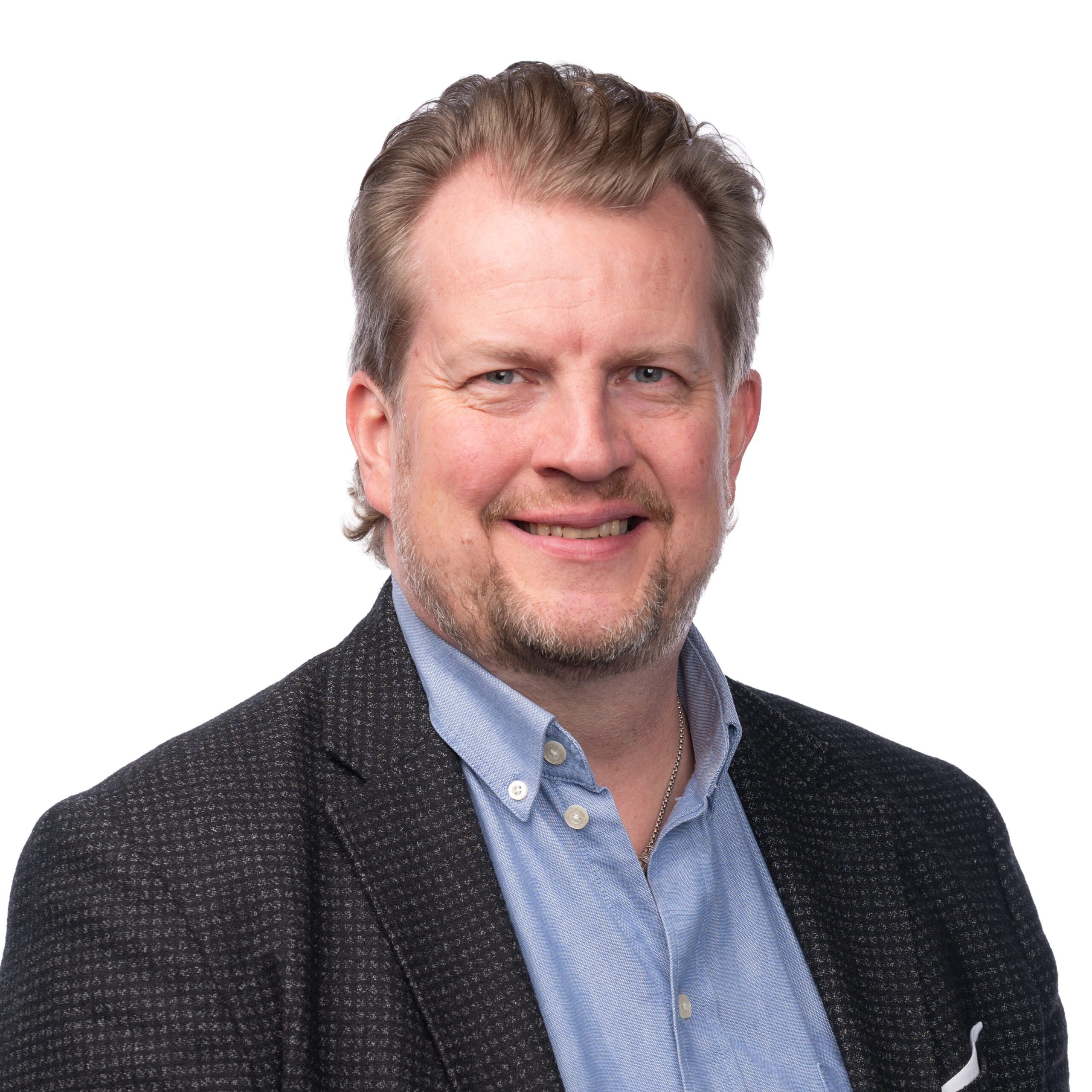
Jami Holtari, Managing Director, Finnish Hydrogen Valley Association
Sari Multala, Minister of the Environment and Climate:
The utilization of biogenic carbon dioxide can open up entirely new opportunities, provided we are bold enough to seize these opportunities at the right time.
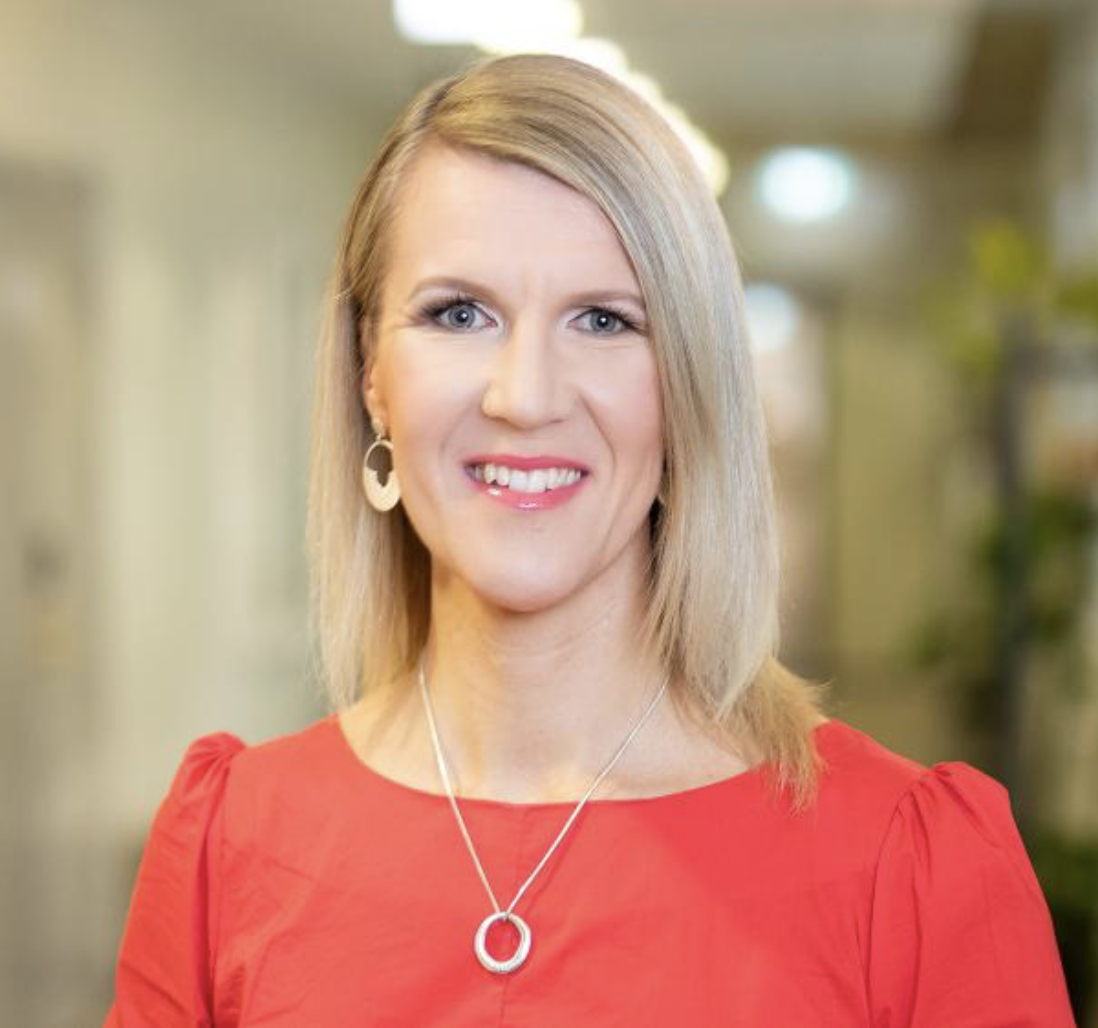
We posed 14 pointed questionsto Sari Multala, Minister of the Environment and Climate, about the hydrogen economy, bio-based carbon dioxide, and Eastern Finland. Read her responses.
1. What role do you see Finland’s hydrogen economy playing in achieving climate goals?
Hydrogen offers the potential to reduce emissions, particularly in sectors where achieving emission reductions is challenging. These include, for example, chemical production and heavy transport, especially maritime and air transport. In these sectors, hydrogen and its derivatives are likely to play a significant role in the future. On the other hand, this is also very much a matter of industrial policy. The clean transition offers significant investment opportunities, and Finland has numerous competitive advantages in the production of clean hydrogen.
2. How does the government intend to ensure that bio-based carbon dioxide is viewed as a key enabler and strategic raw material for the hydrogen economy, rather than merely as an emissions issue?
At the EU level, we are promoting the consideration of bio-based carbon dioxide utilization alongside carbon dioxide storage. In national support schemes, such as the recently concluded “sequestration support call,” carbon dioxide utilization and storage were viewed as equally valid solutions.
3. In your opinion, how can EU regulation best support the competitiveness of Finnish P2X projects in relation to fossil fuel energy sources in the rest of the world?
It is important that EU regulation establishes, on the one hand, common rules for the single market and, on the other hand, minimum requirements for competitive sectors, such as maritime and air transport. This is important to ensure that competition remains fair. At the same time, it is important that EU funding is specifically targeted at such new technologies. Early adopters bear the greatest risks in emerging technologies, and therefore the use of EU funds for such projects is more justified than for many other areas. The experience and expertise gained from these projects extend beyond individual companies and countries.
4. From the Ministry’s perspective, how could we best encourage forestry companies and energy operators to invest in the capture of bio-based carbon dioxide so that it can be processed into high-value-added export products?
Influencing EU regulations is key. In addition, the necessary support instruments must be up to date.
5. Do you see carbon capture as a way to provide the traditional forest industry with a completely new pillar of support, comparable to wood processing, that would boost the industry’s vitality?
The capture of bio-based carbon dioxide is one of the few methods available for creating a technical carbon sink and thereby influencing emissions balances. It is still too early to assess what kind of support this will provide for traditional industry, but it is a strategic opportunity to ensure the vitality of the forest industry. All forest industry companies are currently carefully considering how the operating environment is evolving and how they will proceed in this regard.
6. Ensuring the capacity of the power grid requires new solutions. Hydrogen offers a way to store renewable energy in chemical form to balance out energy peaks and address crisis situations. What role do you see for bio-carbon dioxide as part of Finland’s future flexible energy system and electricity storage capacity?
Hydrogen can also be used to balance the power grid, but for now it is still very expensive for that purpose. Currently, the power grid is balanced much more cost-effectively through distributed generation, energy storage, hydropower, and, in the future, likely increasingly through biogas. Hydrogen will play a major role in balancing the electricity system primarily through demand response. That is why it is important that hydrogen production facilities are designed to be able to respond flexibly to electricity prices.
7. Eastern Finland has extremely high unemployment, but the Kymenlaakso and South Karelia regions in particular have an exceptionally strong concentration of forest industry and, consequently, bio-based carbon dioxide. How does the government intend to leverage the hydrogen economy specifically to revitalize Eastern Finland and create new, high-tech jobs in the region?
Eastern Finland is in desperate need of investment, and the government has sought to identify measures to promote investment in the region. A concrete example of this is the Eastern Finland Program, which has identified several measures to improve the situation in Eastern Finland. One identified measure is a growth program for new initiatives in the forest bioeconomy. However, energy policy should primarily be formulated at the national level, and suboptimal solutions at the regional level should be avoided. In particular, decisions on the location of major investments should be based primarily on business considerations to ensure that the investments are sustainable.
8. Can Eastern Finland become an economic region that utilizes biocarbon—one that is unique on a European scale—and what does this require from the government in terms of permits and infrastructure?
As a major forest industry region, Eastern Finland has the potential to develop into a strong hub for the utilization of bio-based carbon dioxide. With regard to permitting and infrastructure, the aim is to give equal consideration to all areas. The utilization of biogenic carbon dioxide can open up entirely new opportunities, provided we are bold enough to seize these opportunities at the right time. An excellent example of this is Carbonaide, a company based in Joensuu that manufactures carbon-negative concrete.
9. How does the use of bio-based carbon dioxide in the production of synthetic fuels strengthen Finland’s security of supply and its ability to cope with crises in which energy imports could be disrupted?
Naturally, self-sufficiency in fuel production is very important. We see this particularly in the heating sector, where domestic biomass and, more recently, the electrification of the heating sector (waste heat, electric boilers) have shielded us from major shocks.
10. Should domestic e-fuel production be considered part of the national security of supply strategy so that we are not dependent on international supply chains?
E-fuel production would improve our self-sufficiency and thus our security of supply. However, it is also important to be cost-effective when it comes to security of supply. E-fuels are currently very expensive. Security of supply is, however, a good additional reason why it would be important for Finland to establish e-fuel production, such as the production of synthetic aviation fuels.
11. In summary: What are the three key measures for accelerating Finland’s hydrogen economy?
The most important thing is to ensure that Finland’s current competitive advantages in hydrogen production are maintained. In addition, targeted measures are needed to develop infrastructure and implement regulations that promote hydrogen production, including enabling clean electricity generation anda CO2 ecosystem. I consider the Memorandum of Understanding signed in February between Finland and Germany on continued cooperation regarding hydrogen infrastructure, the development of hydrogen technology, and investments in the hydrogen sector to be particularly important.
12. If you could choose one obstacle to remove from the path to utilizing bio-based carbon dioxide starting tomorrow, what would it be?
The investment environment must be as stable as possible, and therefore it is essential to ensure that regulation also supports this objective.
13. How does the changing geopolitical situation affect the significance of the ResilEast program as part of Finland’s security of supply and crisis resilience?
The war in Iran is having a particular impact on petroleum products and liquefied natural gas. The situation demonstrates why achieving high self-sufficiency and moving away from fossil fuels are extremely important goals. As fossil fuel prices rise, the transition to clean energy sources is accelerating simply due to the price impact. The profitability of electric vehicles and biogas for transportation is improving, which will hopefully lead to even more shifts in propulsion systems than before. On the other hand, in such situations, it is important to look beyond the acute crisis rather than jumping to hasty conclusions, and to strive to find solutions that ensure security of supply in the long term. It is also worth noting that, despite the crisis, our national electricity and heating systems are on a stable footing, and the effects of the war are primarily visible in the transportation sector.
14. China is the world’s fastest-growing developer of renewable energy. What should Finland do before China dominates the renewable energy technology market? What kinds of incentives for R&D do you think should be developed?
China has already largely dominated the market for renewable energy technologies. In times of crisis, this kind of dependence is naturally problematic. On the other hand, thanks to China’s efforts, the costs of these technologies have plummeted, which has made the transition to clean energy cheaper and faster. Furthermore, it is important to distinguish between technological dependence and fuel dependence.
Finland is too small a country to act alone on this issue, and EU-led measures are needed to reduce dependence. Among other things, the EU has relaxed state aid rules regarding so-called net-zero technologies and presented its proposal, the Industrial Accelerator Act, which aims to promote industry within the EU.
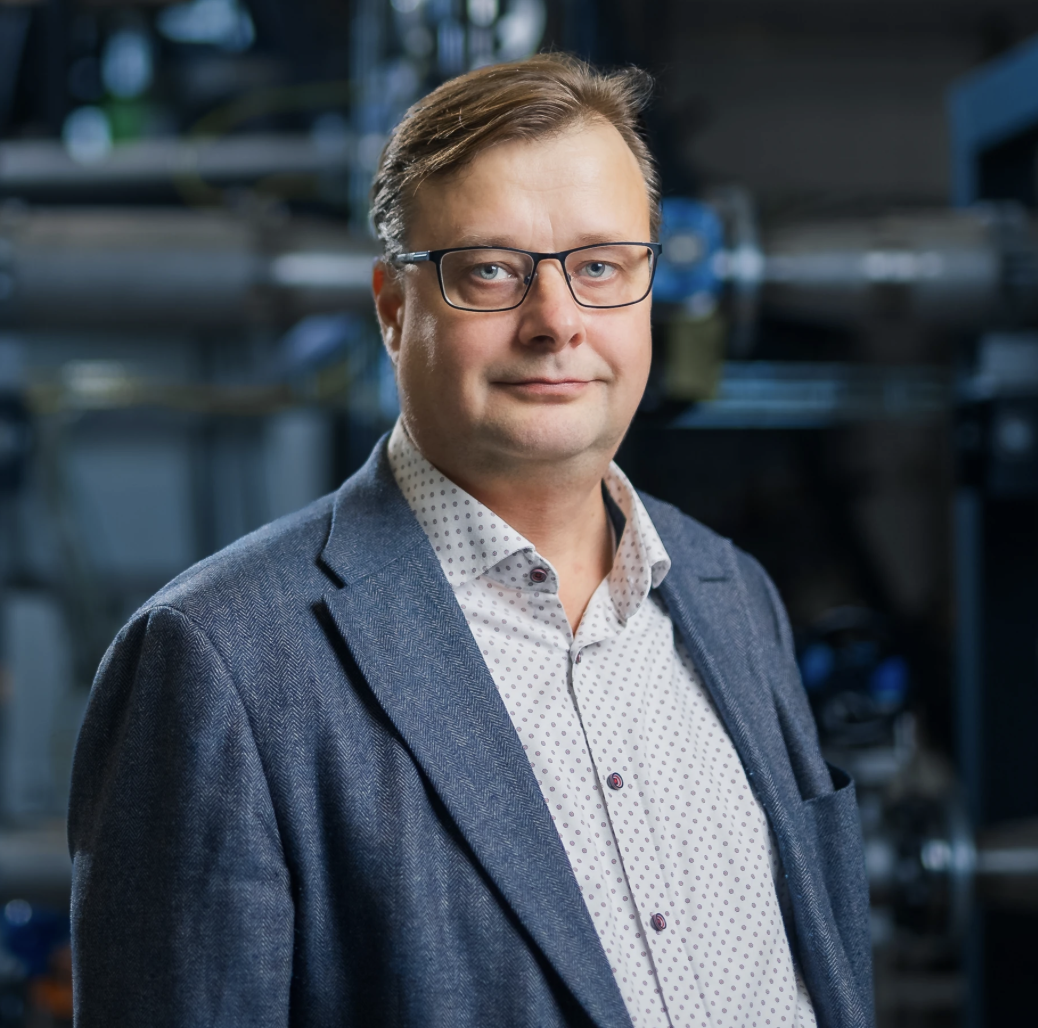
LUT Professor Tero Tynjälä would accelerate the commercialization of biocarbon through a guaranteed price
Bio-based carbon dioxide is the sleeping giant of Finland’s forest industry. Finland holds a unique competitive advantage: vast quantities of bio-based carbon dioxide waiting to be utilized. According to Professor Tero Tynjälä of LUT University, this is a resource that could transform Finland’s entire industrial structure. Action must be taken immediately.
Unlike many Central European countries, Finland has vast localized sources of bio-based carbon dioxide. When this carbon dioxide is combined with pure hydrogen, it produces synthetic fuels and chemicals that can replace fossil raw materials globally. The possibilities are enormous.
If, according to numerous experts, the opportunities are enormous, why aren’t massive investment decisions rolling off the assembly line? Professor Tero Tynjälä sees this as a classic chicken-and-egg problem, compounded by political uncertainty.
Although the technology for carbon dioxide capture already exists, the biggest obstacle to investment is the immaturity of the market. Forestry companies have traditionally focused on pulp and paper—operating as an energy company or fuel producer requires a new kind of risk-taking.
– We have real opportunities, but they require significant investment. The market for the end product hasn’t yet developed to the point where the price is stable and the supply chain is in place, Tynjälä notes.
Regulation is another critical factor. At the EU level, there is an ongoing debate about how bio-based carbon is calculated and what the sustainability criteria are. If the rules change in the middle of a 20-year investment cycle, the project will quickly become unprofitable. Tynjälä therefore advocates for a long-term approach.
– Mechanisms such as blending requirements are important, but manipulating them or postponing targets undermines confidence in investment.
Proposed solution: guaranteed price
To get carbon capture up and running, the government or the EU could establish a mechanism that guarantees a certain price for captured bio-based carbon, for example, 120 euros per ton.
According to Tynjälä, this would work in the same way as the feed-in tariffs from the early days of wind power.
– A guaranteed price would create predictability: Companies would be willing to build capture facilities because they would know they could get at least a certain price for the raw material. This would also kickstart further processing. When a stable supply of carbon dioxide is available, hydrogen economy downstream processors will dare to build their own plants next to them. Ultimately, the guaranteed price would be phased out based on market conditions: Once the price of fossil carbon rises high enough due to emissions trading, the guaranteed price will no longer be needed, Tynjälä explains.
There are three main pathways for utilizing bio-based carbon dioxide. Of these, methane—synthetic natural gas—is the technically simplest solution. It can be fed directly into the existing gas grid or used in liquefied form for heavy-duty transportation. The infrastructure is already in place. The second is methanol, a building block of the chemical industry. Methanol production offers high added value, but it requires significant investment and is sensitive to global market prices. Third are aviation fuels. Reducing emissions from air travel is difficult to achieve with electricity, so synthetic kerosene is a necessity. In this segment, blending mandates create reliable demand.
– In terms of costs, the biggest factor remains the price of hydrogen, which is directly linked to the price of clean electricity and the investment costs of electrolysis equipment. Carbon dioxide capture itself is a smaller cost item in this chain, but it also requires significant investment and is an essential prerequisite for the entire chain to exist, says Tynjälä.
Global competition won't wait
Finland is in a hurry. Tynjälä points to China, which is making huge strides in the hydrogen sector. In China, they don’t necessarily worry about the same sustainability criteria or regulatory hurdles as in Europe, which gives them a speed advantage.
– There is a risk that the technology will be developed here but scaled up and commercialized elsewhere. We need to get the first full-scale facilities up and running quickly so that we have the capacity to produce refined end products in commercially significant quantities once the market has taken shape. Being part of the first wave would also provide a competitive advantage for technology developers in the sector operating in Finland, Tynjälä notes.
Although pilot projects, such as Metsä Group’s initiative, are already underway, full-scale implementation across the entire forest industry will likely not occur until the late 2030s. Investment cycles are long: if a decision is made today, the plant will not be operational for several years.
Minna Mentzer of Metsä Group: Capturing biogenic carbon dioxide opens up new business opportunities

The transition to a fossil-free economy is built on the development of comprehensive value chains. One of these value chains stems from the forest industry’s side streams, particularly biogenic carbon dioxide and its utilization in conjunction with green hydrogen. In Finland, Metsä Group has begun preliminary planning for a commercial capture facility.
The forest industry company Metsä Group is piloting the capture of biogenic carbon dioxide at its Rauma mills this fall. The pilot project was carried out in collaboration with technology supplier Andritz and involved capturing carbon dioxide from the flue gases of the pulp mill.
The pilot project was a success, and Metsä Group has now begun preliminary planning for its first commercial biogenic carbon dioxide capture facility.
The potential facility would be located adjacent to Metsä Group’s Rauma pulp mill, and its nominal capacity would be approximately 100,000 tons of captured wood-based carbon dioxide per year. This would be a commercial production facility, marking the first step toward a larger scale; within Metsä Group, the long-term carbon dioxide capture potential from wood is several million tons per year.
The forest industry has long focused on utilizing raw materials as efficiently as possible. Wood-based production generates significant by-products, some of which have received little attention so far. The most significant of these is biogenic carbon dioxide, which is generated in large quantities in the flue gases of production processes. The preliminary planning project now launched by Metsä Group is a very significant step; it builds confidence and serves as an inspiring example.
New products without added ingredients
– Carbon dioxide from the forest industry comes from renewable biomass. Capturing and utilizing it offers an opportunity to replace fossil raw materials. Carbon dioxide is an existing by-product, and capturing it does not increase the use of wood, saysMinna Mentzer, Director of New Business Development at Metsä Group.
Today, biogenic carbon dioxide is a nearly completely untapped by-product. If this stream is captured and processed into products, it is possible to create a new industry in Finland alongside the hydrogen economy. In practice, carbon dioxide could become an important byproduct alongside existing products.
Timing is everything
Although the potential is clear, implementation is not straightforward. Capturing carbon dioxide from flue gases requires significant investment. In the capture process, carbon dioxide is separated from the flue gases, purified, and possibly also liquefied.
The biggest challenge, however, is not the technology, but the timing. The investments are substantial, and their profitability depends on the existence of functioning markets. Carbon dioxide utilization value chains are still in their infancy, and there is uncertainty surrounding the demand for end products.
This leads to a classic problem: without demand, there is no supply, but without supply, there is no market.
Demand for carbon dioxide is closely linked to the development of the hydrogen economy. A wide range of hydrogen projects are currently underway in Finland, and many stakeholders are seeking ways to process hydrogen into more advanced products. This is where carbon dioxide plays a key role.
When green hydrogen is combined with captured biogenic carbon dioxide, synthetic fuels, chemicals, and other products can be produced. This creates a hydrogen–carbon dioxide value chain in which the forest industry can serve as a key supplier of raw materials.
Roles in the value chain are taking shape
According to Mentzer, the key question is who does what.
– From the perspective of the forest industry, one natural role could be the capture and resale of carbon dioxide. In this case, further processing would be carried out, for example, by hydrogen producers.
Alternatively, companies can integrate further into the value chain and also engage in processing. At present, the roles are still undefined, and the market is still taking shape.
There isn’t widespread demand yet, but the outlook for the next few years is promising. Several projects are currently under development in Finland, and it is possible that investment decisions will be made as early as this year or next.
– It is clear, however, that a single player cannot build value chains on its own. Cooperation is needed with various sectors—namely carbon capture, hydrogen production, and further processing—not to mention the broader infrastructure, Mentzer sums up.
Finland has a strong forest industry, a growing hydrogen economy, and the ability to build value chains based on collaboration. The coming years will show how quickly these strengths can be realized. In the future, biogenic carbon dioxide will no longer be merely a byproduct, but will increasingly become an integral part of a new industrial ecosystem.
Jonne Pöyhtäri: Arctic Sisu aims to become a leader in European e-fuel production.
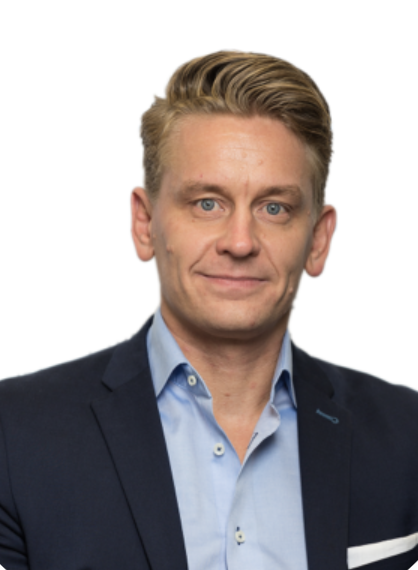
The Finnish company Arctic Sisu is planning a massive e-methane project in Kotka. According to CEO and co-founder Jonne Pöyhtäri, the industry and Finland have a unique opportunity on their hands. At the same time, however, he warns of regulatory uncertainty and competition for grid capacity.
Artic Sisu is developing a large-scale renewable e-methane production facility in Kotka with an annual production capacity of 950–1,000 gigawatt-hours. The project will meet the low-carbon energy needs of road and maritime transport in Europe.
– The facility will be built all at once, rather than in phases, as we had originally planned, Pöyhtäri explains.
A new plant is being planned for construction adjacent to the MM Kotkamills pulp and paper mill. This is Europe’s first project to utilize carbon dioxide generated from pulp productionas a feedstockfor e-fuel. The plant will capture a very large portion of the mill’s current CO₂ emissions.
The solution is cost-effective and also allows for scalability. By capturing carbon dioxide right next to the production site and feeding the end product directly into the gas grid, logistical bottlenecks and unnecessary logistics costs are avoided.
Arctic Sisu’s strategy is to focus on e-methane and scaling up its production to an industrial scale. The company’s business model differs from that of many other developers in the industry. Arctic Sisu does not aim to sell projects at an early stage, but rather seeks to take projects from the planning phase through to implementation and ultimately to operation.
The strategy is based on the mutually reinforcing development of technology, the market, and regulation. At the same time, it sets a high standard for our operations, as the success of our projects requires both technical and economic competitiveness.
Regulation creates the market
The Kotka project has moved beyond the technical design and feasibility study phases, and the goal is to reach an investment decision in 2027.
– If the schedule is met, production could begin at the turn of the decade, just as EU regulations—such as renewable fuel mandates—begin to shape the market. At this stage, regulation will be a key driver of demand, envisions CEO Jonne Pöyhtäri.
Arctic Sisu’s strategy and decision to locate in Kotka are based on a thorough market analysis that examined the potential of various synthetic fuels in Europe. E-methane benefits from existing infrastructure and distribution networks, making it an attractive option compared to many other synthetic fuels. At the same time, it offers a way to store and transfer energy efficiently, the importance of which is highlighted by the transition of the entire energy system.
Although technology is advancing rapidly, the industry’s biggest challenges still revolve around managing the big picture. The profitability of projects depends on several factors: the price of electricity, the availability of carbon dioxide, infrastructure, financing, and, above all, demand for the end product. According to Pöyhtäri, even a single weak link can bring the whole project down. That is why Arctic Sisu emphasizes realistic project development and cost-effectiveness.
Predictable regulation could create an entirely new export sector in Finland
Currently, EU regulations are driving demand, but industry players are seeking predictability above all else. The stability of decisions already made is seen as critical, and all EU member states should implement the regulations.
– If regulations are changed in the middle of an investment cycle, risks increase and it becomes more difficult to carry out projects. At the same time, this is a matter of a broader industrial policy choice. The hydrogen economy and the potential of e-fuels could grow into a new cornerstone of the export industry—even a key driver of exports, Pöyhtäri enthuses.
Finland is in an exceptionally strong position to capitalize on this trend. Affordable and clean electricity, a well-functioning infrastructure, and a strong industrial base provide a competitive advantage that many other European countries lack. The key question is whether we can capitalize on these advantages in time.
The forest industry is still considering whether to join
One crucial factor is the availability of bio-based carbon dioxide. According to Pöyhtäri, the forest industry would play a key role in this, but so far the major players have proceeded cautiously.
– This slows down the development of the entire ecosystem, as many projects are not viable without a sufficient and continuous supply of carbon dioxide. At the same time, it would open up opportunities for new partnerships and business models.
Another key issue is the competition for resources—particularly the power grid—among different sectors. Rapidly growing data center projects compete for the same capacity as e-fuel projects, but the permitting process for these projects is easier and faster under Finnish law. This imbalance raises questions about how investments should be directed to maximize long-term economic benefits. According to several experts, data centers do not leave genuine, long-term benefits in Finland; instead, the benefits flow abroad along with ownership.
According to Pöyhtäri, despite the competition, there is an exceptionally strong spirit of cooperation within the e-fuel sector in Finland.
– Although the players are, in a sense, competing with one another, a shared understanding of the market’s early stages brings them together. Every successful project strengthens the entire industry and boosts confidence in investment.

MEET OUR MEMBERS: SEO
Local focus and entrepreneur-driven initiatives are fueling rapid growth in Finnish SEO.
The transformation shaking up Finland’s entire energy sector is affecting not only energy production but, increasingly, energy distribution as well. The fuel distribution sector is undergoing a period in which traditional business models are being challenged, customer behavior is changing, and the importance of security of supply is being emphasized. Amid this change, SEO has managed to grow exceptionally strongly and is bucking the trend of the entire industry.
SEO is a Finnish network of gas stations owned by fuel retailers. There are approximately 250 stations stretching from Nauvo to Nuorgam. The company’s growth cannot be attributed to any single, clear factor, but rather to a combination of several trends: a local focus, an entrepreneurial drive, predictable pricing, and the ability to react quickly to market changes.
According to a study commissioned by SEO, the most important factor for fuel customers when making a choice is price, but locality comes in a close second. This is not merely a perception; it actually influences customer behavior.
A local gas station is seen as part of the community’s vitality and also as a factor in security of supply. It plays a particularly significant role in sparsely populated areas: if services disappear, the vitality of these areas declines rapidly. Security of supply and vitality go hand in hand, and in uncertain times, their connection becomes even more apparent.
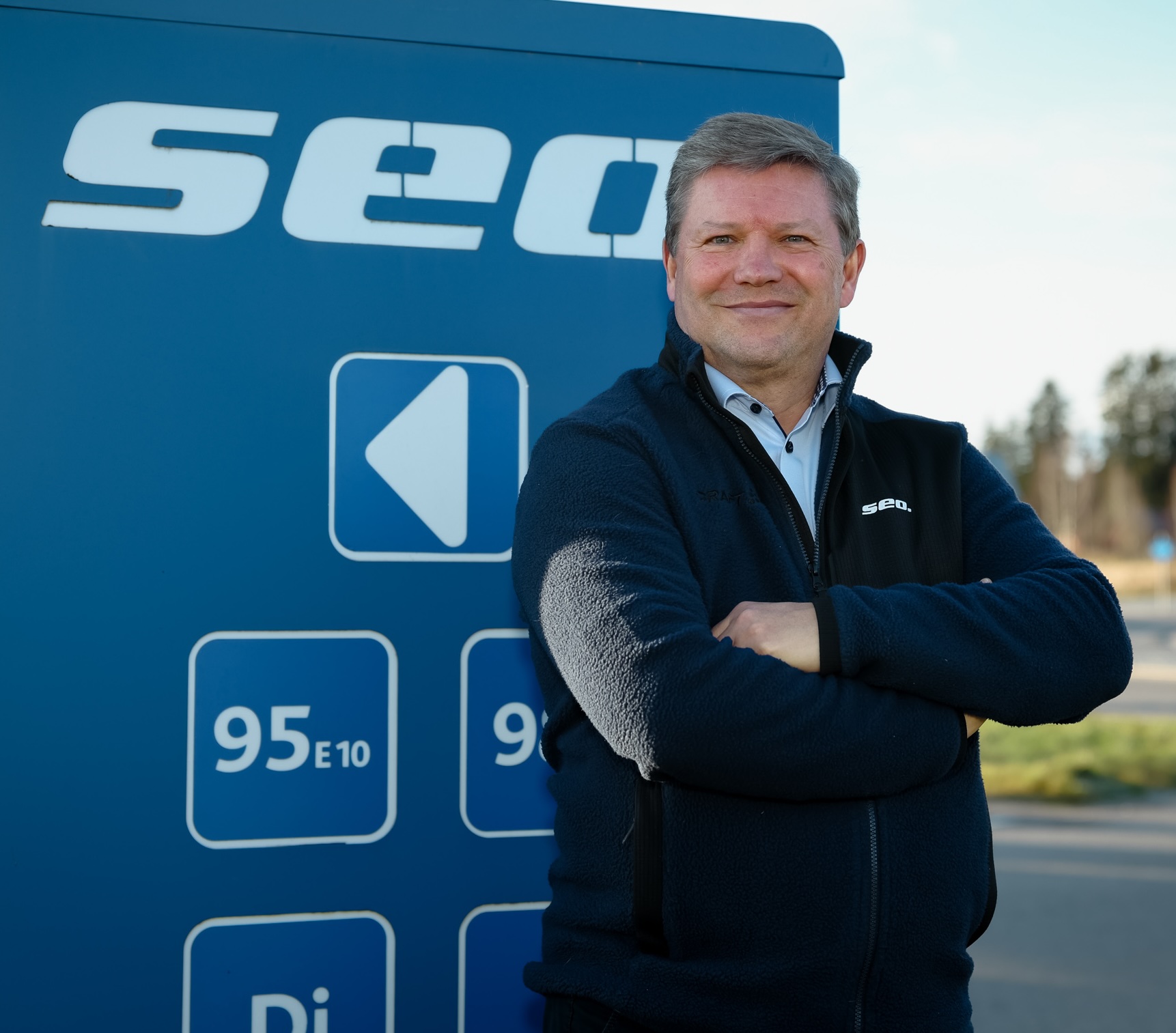
According toArto Viljanen, CEO of SEO and a powerhouse in the fuel industry, “locality” doesn’t just mean physical location.
– This also means that the service adapts to the needs of the surrounding community. In our entrepreneur-driven model, each location can be different—in one town, the focus might be on repair services; in another, a café; and in a third, some other service that arises from local needs.
Flexibility sets SEO apart from many large chains, whose service concepts are often standardized.
An entrepreneur-driven approach enables a quick response
A key competitive advantage of SEO is the freedom it gives entrepreneurs. Local business owners can tailor their services entirely to local demand without the constraints of strict corporate guidelines.
This is also reflected in the growth of SEO: in recent years, a significant number of new merchants have joined the network, having switched from other chains. For entrepreneurs, the appeal lies in the opportunity to develop a business that reflects their own vision.
A small organization brings agility to the entire network. The board and staff consist of about 20 people. When sudden changes occur in the market, a small but active SEO team can react quickly—for example, to acquire new customers or respond to shifts in demand.
Six months and 100 percent!
Over the past six months, SEO sales have grown by more than 100 percent. This is a remarkable achievement, considering that the overall market has contracted during the same period.
However, this growth cannot be explained solely by the closure of the Teboil chain and changes in the market structure. Although some of the demand has shifted to new operators, the growth clearly exceeds the mere redistribution of market share.
According to Viljanen, this growth can be attributed to an active sales network, the ability to quickly onboard new customers, increased brand awareness resulting from long-term efforts, and the digitization of services and their development to make them even more competitive.
Consistent pricing builds trust
As the recent US-Iran conflict has demonstrated, price fluctuations in the fuel market can be significant—rising by as much as several cents in a short period of time. In such an environment, stable pricing becomes a competitive advantage.
Although SEO isn't the cheapest option on the market, customers consider its consistent pricing to be a key factor in their decision-making.
– The reason for our popularity likely lies largely in the stability of our pricing: our customers can count on the fact that prices at our pumps don’t fluctuate wildly from one day to the next, Viljanen notes.
When customers feel they are getting a fair price without having to constantly monitor or time their purchases, trust is built. This is a significant factor, especially when it comes to everyday refueling.
One of the key drivers of growth in SEO’s business has been the development of digital services. The mobile app, virtual business card, and online fuel oil store have brought SEO’s services on par with those of major players. A significant portion of SEO’s corporate clients already use digital payment methods, and their share is growing steadily.
Fuel oil prices on the rise – active sales will make the difference
One of the most significant areas of growth in SEO has been heating oil. Growth has come particularly from machine contractors in the agricultural and contracting sectors. Viljanen attributes this growth to several factors.
– Awareness and visibility of SEO have increased. We have been included in procurement lists and tenders. We have participated in various trade shows and raised awareness of SEO while strengthening our position as experts.
However, Viljanen gives the greatest credit to his own sales representatives.
– We have an absolutely top-notch sales representative network right now. Four guys are crisscrossing Finland, closing deals left and right. They have tens of thousands of contacts whom they keep in constant touch with and pitch our products to.
Focus on growth and an eye on renewables
Although SEO’s current business is based on traditional fuels, Viljanen has his sights set on the future. From the perspective of the distribution network, the key question is: what will be sold at gas stations in the future?
– It is strategically important for us to participate in energy sector cooperation networks such as the Finnish Hydrogen Valley. “We want to stay at the forefront of development, understand the role of renewable fuels in distribution, and ensure that our existing infrastructure can also serve new forms of energy and our customers,” Viljanen summarizes.
In addition to considering future choices, Viljanen’s strategy also emphasizes the importance of current solutions for security of supply. The transition will not happen overnight; it must be carried out with care.
NEWS FROM US AND THE WORLD
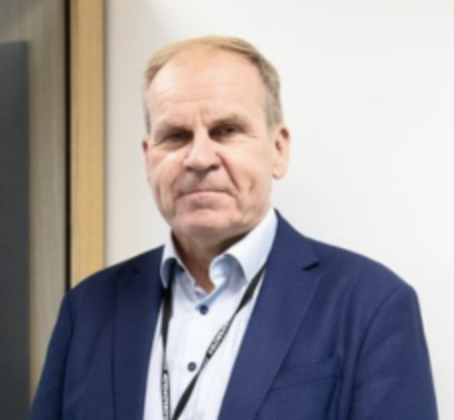
Asko Muhonen: The ResilEast program is more relevant than ever
Modern warfare requires a new way of thinking
Drones in Finnish airspace have sparked lively debate about the state of our country’s air defense and its ability to respond to new types of threats. There may even be some overreaction in the public discourse, but drones in our airspace are a new challenge. According to Asko Muhonen, an expert in comprehensive security, current systems need to be supplemented with cost-effective solutions to fill gaps in the surveillance network.
The war in Ukraine has shown that warfare is undergoing a transformation. The role of drones, in particular, has become more prominent, and technological development has been exceptionally rapid in recent years. Finland has taken note of this development, but recent news reports—including those regarding drone sightings in Parikkala—have raised questions about the coverage of current systems.
According to Colonel (Ret.) Asko Muhonen, the City of Kuopio’s special advisor on comprehensive security, we need a shift in mindset. Muhonen has had a long career in the Finnish Defense Forces. After transferring to the reserves, he served at NATO headquarters in Brussels, where he helped prepare for and implement Finland’s accession to NATO.
A small drone is a difficult target for a surveillance network
Finland’s current radar system is modern and comprehensive even by NATO standards, but it is primarily optimized for countering traditional air threats, such as fighter jets and bombers. According to Muhonen, the challenge lies in small, slow-moving targets—such as drones—or, conversely, ballistic missiles approaching from extremely high altitudes.
– The issue isn’t that the technology can’t detect drones, but rather how the systems are configured. Building a seamless surveillance network covering the entire eastern border using traditional methods would be a massive investment. Another challenge is managing the entire chain: detection, identification, tracking, and ultimately interception, Muhonen explains.
Resilience and Everyday Technology as a Solution
One key solution for improving oversight capabilities is what is known as a "resilience-based approach." Muhonen believes that a multi-point, comprehensive oversight system is needed.
The ideology of resilience emphasizes comprehensiveness and multi-point approaches. This means creating a network consisting of many small nodes instead of traditional large units. Commercial solutions are also needed: everyday tools and standard commercial technology are utilized to support and replace military equipment. These are more affordable and easier to maintain.
We must not overlook new technologies; in addition to radar, we can utilize, for example, acoustic-based solutions that detect and even locate drones based on the sound they make. Finally, Muhonen highlights cooperation with authorities, which leverages existing structures, such as the capabilities of the Border Guard.
Mass attacks as a future threat
Individual drones are not critical to national defense, but they have sparked an important discussion about security. The real concern lies with massive, networked swarms of drones controlled by artificial intelligence.
– If a massive amount of mass is concentrated at a single point, no system is completely impenetrable. That is why it is of the utmost importance that the defense administration and the authorities work together to identify the most cost-effective ways to strengthen surveillance, Muhonen points out.
Although the situation calls for action, Muhonen cautions against jumping to conclusions. Finland’s terrain and infrastructure differ from, for example, the steppes of Ukraine, which affects the use of drones and surveillance. The Finnish Defense Forces have been monitoring and testing drone technology for over a decade.
– In the future as well, decision-making must be based on a broad, comprehensive view, not on individual phenomena. This is an ongoing arms race between weapons and countermeasures. It is clear that increasing surveillance capabilities and detection is an essential step in strengthening Finland’s resilience in a changing security environment, Muhonen summarizes.

PowerCoast brought together hundreds of renewable energy leaders
The largest business event in the Kotka-Hamina region’s Power Coast area brought together key influencers from industry, energy, technology, and regional development at Satama Areena in Kotka on April 21–22. Formerly known as the Kymenlaakso Summit, the revamped event offered hundreds of influencers interested in renewable energy and industry timely presentations and networking opportunities. The event was organized by Cursor Oy.

Fingrid’s up-to-date Verkkokiikari service for electricity generation, consumption, and storage
The Network Explorer provides preliminary information on transmission grid connection options for electricity generation, electricity consumption, and electricity storage facilities. The map depicts the transmission grid owned by Fingrid as well as the distribution network companies’ grids of at least 110 kV, and it also shows information on public generation projects currently in the planning or implementation stages, as well as Fingrid’s future investments.
Online monitor for electricity generation >
Online monitor for electricity consumption >
Webcam for electrical substations >
Source: Fingrid
Read more: Online binoculars

Investments in hydrogen and electricity transmission infrastructure can unlock the benefits of investments in the hydrogen economy value chain
Gasgrid and Fingrid have published an energy system report that assesses the investments in electricity and hydrogen infrastructure required for an industrial hydrogen economy between 2027 and 2035. According to the report, Finland is well-positioned to become a leader in the European hydrogen economy if the energy system is developed in a timely and coordinated manner.
Finland is ideally positioned to competitively produce clean electricity and hydrogen, as well as hydrogen-based products. However, the potential for renewable energy production, growing industrial demand for clean energy and hydrogen, and the need for carbon-neutral solutions require systematic development of the energy system. The study examined various development paths for the hydrogen economy from the mid-2030s onwards, as well as the related infrastructure and investment needs in both the electricity and hydrogen networks.
Source: Gasgrid
Read more: Energy System Analysis

The European Commission published the AccelerateEU plan to lower energy prices and boost hydrogen production
On April 22, the European Commission published the AccelerateEU plan, which aims to lower energy costs and reduce short-term price volatility in Europe. The plan recognizes the urgency of the situation and the importance of hydrogen and its derivatives in achieving the set goals.
AccelerateEU explicitly recognizes the role of hydrogen as a clean, domestic energy source that replaces oil and gas—a process that the Commission also aims to accelerate. In addition, the Commission is committed to a targeted review of production criteria—specifically, the RED III regulations defining renewable hydrogen—in light of the sector’s slower-than-expected takeoff. This review is scheduled to take place in the second quarter of 2026.
Jorgo Chatzimarkakis, CEO of Hydrogen Europe, commented:
– Ongoing crises have once again brought Europe’s volatile and costly energy dependencies into sharp focus and underscored the importance of expanding our own domestic fuel and fertilizer markets. Today’s AccelerateEU plan advances this goal, particularly through the planned review of the RED III regulations, which will lower hydrogen production costs and enable industry to contribute to Europe’s resilience and sustainability goals.
Recognizing hydrogen’s role as part of the solution means that the industry can help alleviate critical cost and availability issues for key products, such as aviation fuel, through the production of e-fuels.
The industry hopes that the transition periods for both additionality and hourly correlation will be extended to 2035. This would lead to significant cost savings in clean hydrogen production in many countries. For example, in Germany—where demand is high but production conditions are suboptimal—savings could reach up to €3 per kilogram of hydrogen produced. This would promote the supply of domestic, affordable, and sustainable fuels in Europe.
Given Europe’s current and future needs, it is important to ensure that the upcoming electrification action plan includes measures to facilitate the rapid development of electricity grids, guarantees priority access to the grid for electrolysers, and focuses on planning that fully harnesses the potential of electrolysers to address flexibility challenges.
Europe must do everything necessary to wean its economy off fossil fuels wherever possible, to protect itself from price volatility, and to create a sustainable and affordable society for all Europeans.
The Finnish Hydrogen Valley Association is a member of Hydrogen Europe.
Source: Hydrogen Europe
UPCOMING EVENTS

Eastern Finland Energy Days, May 5–6 in Pieksämäki
The North Savo Energy Cluster, the North Savo Energy Masterplan, and the City of Pieksämäki are bringing together energy sector companies, experts, local decision-makers, and future leaders to discuss the green transition, investments, and international opportunities.
The Finnish Hydrogen Valley Association will be at the event—come meet us and hear the latest news on the hydrogen economy.
Date:May 5–6, 2026
Location:Locomotive Sheds, Pieksämäki
The two-day event will focus on green exports, international markets, energy sector investments, and financing. There will also be interesting business case studies and panel discussions.
The event offers an excellent opportunity for experts, companies, local government officials, and future professionals to hear the latest perspectives on the green transition and network with others working in the energy sector. In addition to discussions and presentations, the event will feature exhibitors and matchmaking stations on both days of the event.
View the event program here.
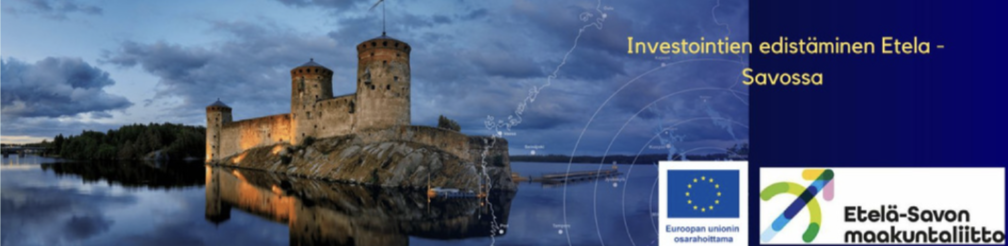
Investments in the clean transition and the future of industry on May 7 in Savonlinna
The event brings together key regional stakeholders, businesses, and experts to discuss concrete investment opportunities, requirements, and collaboration.
The day begins at 11:00 a.m. with welcoming remarks from representatives of the City of Savonlinna, followed by lunch. The program will feature presentations on topics such as the hydrogen economy, regional investment potential, and the prerequisites for implementing projects. The event will culminate in a panel discussion examining how to get investments moving in South Savo.
Jami Holtari, CEO of Suomen Vetylaakso, will open the discussion portion of the event by speaking about the potential of the hydrogen economy in Eastern Finland. Speakersat the eventwill include representatives from Fortum, Sweco, Miksei Mikkelin, Järvi-Suomen Energia, and MyNavix.
The event is part of the "Promoting Investment in South Savo" project.
Date:May 7, 2026
Location:Olavinlinna, Congress Hall, Savonlinna
For more information about the event: Project ManagerAlena Tsimbalova, 050 339 1944, alena.tsimbalova@savonlinna.fi

Hydrogen and New Opportunities for Industry on May 13 in Kouvola
Join us to learn how the hydrogen economy and renewable energy are opening up new business opportunities in the Kymenlaakso region and throughout Finland. During this concise morning event, you’ll get an up-to-date overview of the current situation, practical examples from industry, and insights into the next steps—and you’ll meet key industry players all under one roof.
Seminar location:Original Sokos Hotel Vaakuna Kouvola
Date and time:May 13, 2026, 8:30–11:00 a.m.
The event features Kouvola Innovation Oy, Solvay Chemicals Finland Oy, DCS Cleantech Oy, the South-Eastern Finland University of Applied Sciences (Xamk), and Gasgrid Finland Oy
Jami Holtari, CEO of Suomen Vetylaakso ry, will host the event and discuss the prospects for the hydrogen economy in the Kymenlaakso region.
More information about the event here

Seminar on the potential of the hydrogen economy in the Imatra region, May 26, 2026
Welcome to a seminar focusing on the opportunities offered by the green transition and the hydrogen economy in the Imatra region. The seminar is organized by the European Union co-funded projectGreen Hydrogen and Carbon Dioxide Power for Southeast Finland, in cooperation with co-implementers Imatran Seudun Kehitysyhtiö Oy and Suomen Vetylaakso ry. In addition to the project, the city of Imatra is also involved in the cooperation.
Seminar venue:Kulttuuritalo Virta, Karelia Hall. Address: Virastokatu 1, 55100 Imatra
Date:Tuesday, May 26, 2026, from 1:00 p.m. to 4:30 p.m.
The event will be opened byMatias Hilden, Mayor of Imatra. Speakers includeMarkku Kivistö andJuha Peltomäki, Business Finland; Jarno Sederlund, Fingrid;CEOJami Holtari, SuomenVetylaakso ry;Research DirectorPetteri Laaksonen, LUT University; andProjectEngineerNiko Salonen, Norsk e-Fuel.
The seminar is free of charge, but advance registration is required by May 8, 2026 here.
Join us now!
The Finnish Hydrogen Valley Association provides its members with interesting and up-to-date information on the opportunities offered by the hydrogen economy and renewable energy. We are your organisation's voice in the industry and make sure that the issues that are important to you are brought to the attention of decision-makers. We network actively, meet energy industry leaders on a regular basis and get the latest information on industry developments for your benefit.
We will provide you with regular updates on industry developments, company visits, a newsletter published six times a year, media coverage of topics important to you, visibility on social media channels, and we’ll support your organization’s communications when you want to bring your message to the attention of your stakeholders. Protecting your interests is our job.
Join our growing team here or call Jami Holtari 040 055 1435 or Tommi Siikaniva 0400 885 747 and we'll tell you more.
Subscribe to the newsletter and give feedback
Tell us what you want to hear about in our newsletters and give us your feedback. All feedback is very important to us and we do our best to ensure that each newsletter is interesting and informative.
If you have something topical to inform us about, please feel free to send us a message. You should also follow our linkkarme: https://www.linkedin.com/company/suomen-vetylaakso-ry
Newsletter subscription:
- http://eepurl.com/iJCuto
- order by e-mail: tommi.siikaniva@vetylaakso.fi or office@vetylaakso.fi

Green hydrogen and carbon dioxide to power South-East Finland is an ERDF-funded group project in the Renewable and Competent Finland 2021-2027 programme. The main implementer is LUT University, where the Finnish Hydrogen Valley Association is one of the co-implementers.
Copyright (C) *|2026|* *|Suomen Vetylaakso ry|*. All rights reserved. Our office email address is: Office@vetylaakso.fi