EDITORIAL
Have a great end of the year!
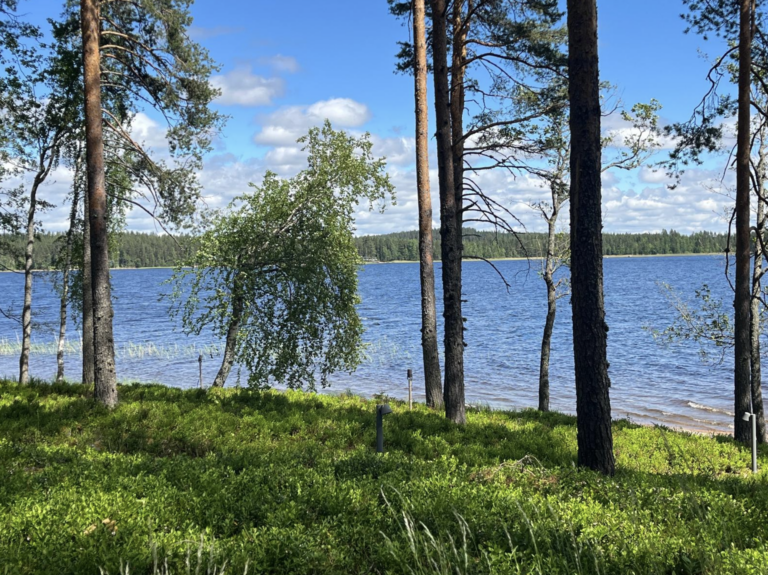
The weather hasn't really improved since early autumn, but there has been enough wind, at least in the west, and there have been no freezing temperatures, so saunas have been heated and cars charged in households without any fuss. Even hams can be roasted in ovens without any worries. However, it would be more relaxing to look at the snowy landscape from the oven door, but here in southern Finland, it looks completely different now.
This newsletter discusses wind power and its potential in eastern Finland. One of the most important reasons for establishing and maintaining the Finnish Hydrogen Valley is to resolve the challenges associated with wind power construction in relation to eastern border control. The issue has been under investigation for years, and it is known that technological solutions for radar and sensor surveillance exist. Unfortunately, the war in Ukraine is accelerating the development of military technology and, at the same time, increasing the demands for surveillance. At the same time, the EU is urging its eastern member states to take greater care of their security, while emphasizing the importance of energy self-sufficiency and the development of vitality in border areas. The equation seems clear for our country. By utilizing the most advanced solutions in border control, we could also build wind power in the east and a more resilient energy system to secure the region's industrial development.
Building wind power in the east would help make energy production more profitable for the whole country, while also evening out electricity price fluctuations. Above all, wind power would also enable investments in electricity consumption in eastern Finland. We at Hydrogen Valley believe that these solutions will be found sooner rather than later.
What else will the coming year bring? In addition to wind power, Suomen Vetylaakso will continue to work hard to strengthen the electricity transmission grid and promote the utilization of biogenic carbon dioxide. ResilEast brings all these important topics together, and we believe that this will enable us to make concrete progress. We will serve our members even better and take their needs into account. We want to help, not only in accelerating investments, but above all in ensuring that they bring new jobs to companies in the region and improve the vitality of municipalities. Join our growing team and help us succeed!
And right at the start of the year, we will be strongly represented at the Hydrogen Summit & Expo! Ten other members will be joining us at the Finnish Hydrogen Valley stand, and there will be just as many more to be found on the exhibition map. See you in Tampere on January 14–15!
Wishing you a peaceful Christmas,
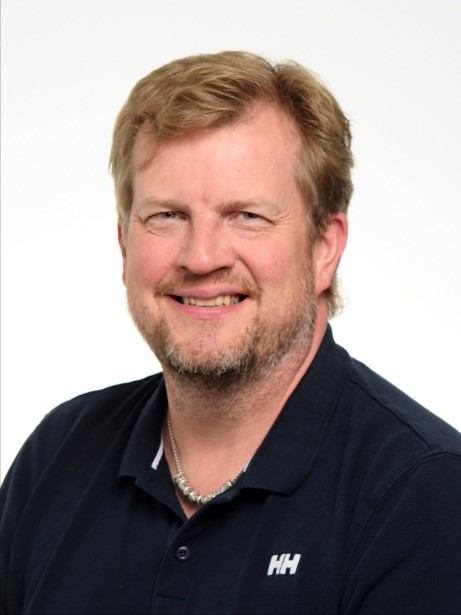
Jami Holtari, Managing Director, Finnish Hydrogen Valley Association
Emilia Savolainen, Mayor of Pieksämäki: Slow permit processes are the biggest threat to the vitality brought by clean energy in eastern Finland

The Niinimäki wind farm in Pieksämäki has just been completed and is the largest in Eastern Finland. The wind farm produces 400 GWh of clean energy per year, which is enough to cover the entire energy needs of the city of Pieksämäki, or the annual electricity consumption of up to 80,000 single-family homes. A single-family home consumes an average of approximately 5,000 kWh of energy per year.
During the construction phase, the project pumped €10 million into local small and medium-sized enterprises over a two-year period. Still, Mayor Emilia Savolainen is not celebrating.
"Planning began 14 years ago. In fourteen years, entire cities with millions of inhabitants are built abroad, but here we can barely complete a single wind farm. This is a completely impossible situation in terms of investment and vitality," says Savolainen.
The next, even larger Sarvikankaan wind farm, an investment worth €320 million, has been pending in the administrative court for almost a year without a decision.
These processes are not dependent on municipalities – the city has been agile and cooperation with project developer OX2 has been smooth. The problem lies in national legislation, multiple opportunities for appeal, and slow administrative court proceedings.
Processes in less than five years – otherwise investments will slip away
Savolainen does not want to limit citizens' opportunities to influence matters in any way, but he believes that the current system is unsustainable. Opportunities for participation must be comprehensive, but he questions whether they need to be four times in every project.
"If there are no significant changes to the plan after the draft stage, the intermediate stages could be omitted. Environmental studies in Finland are among the most comprehensive in the world, but are, for example, monitoring migratory birds for over a year always necessary, he wonders?
Savolainen considers two to four years to be a realistic target for projects located in commercial forests, and less than five years for the entire process. Long project implementation times do not increase investor interest.
– Western Finland is already ten years ahead. There, people have understood that the world's electrification requires renewable energy now.
A do-or-die situation for eastern Finland
Savolainen highlights the bigger picture: a clean energy ecosystem is being built piece by piece, and its success is crucial for the vitality and future of Eastern Finland.
Without local wind and solar power, we will not get hydrogen projects, industrial investments, or jobs. If we do not build wind turbines here, Western Finland will forge ahead and we will be left behind—and pay higher electricity prices. In small towns in eastern Finland, we are now in a do-or-die situation: do we want jobs, population growth, and development, or do we just want to rely on nature?
He also points out the challenges related to infrastructure: strengthening the main grid, such as the Harju and Järvi lines, and electrifying the cross-country railway are essential for keeping goods flowing and investments moving.
Communication and transparency reduce resistance to change
Savolainen admits that wind power evokes strong feelings
We Eastern Finns have a touch of traditional jealousy and fear of the new. But when people receive factual information in good time, resistance to change dissipates.
The Niinimäki project included an information center café, which organized events, presentations, and excursions to the park.
– It was a great example of openness. I recommend a similar model for all projects.
Savolainen also wants to make a clear distinction between discomfort and health hazards. These concepts are commonly linked to the debate surrounding wind turbines.
– Seeing the propellers can be annoying, but there are no known health hazards. I have stood under the windmill in various weather conditions – you can hardly hear any noise.
Savolainen's message is clear and strong. Fast permit processes, a bold approach to renewable energy, and strong infrastructure are the foundation of Eastern Finland's vitality. Without them, we will not be able to produce green hydrogen or attract new industrial operators. Now is the time to work together.
Technology solves radar problem associated with wind power
Finland faces enormous electricity production needs as industry moves away from fossil fuels. Eastern Finland has completely untapped potential for wind power construction, and a radar solution that would enable this is being tested at LUT University.
According toAri Järvinen, visiting researcher at LUT University, electricity consumption may even triple over the next 10–15 years. According to Järvinen, up to 80% of South Karelia's electricity is used by industry. In addition, the growing energy needs of large-scale industry and data centers are driving the development of electricity generation and transmission capacity.
More energy is needed, and wind power can provide it, if only it could be built. The issue of radar interference with the Finnish Defense Forces, which has been an obstacle to wind power construction in eastern Finland, can be resolved in practice with sensor technology placed on top of wind turbines, which is currently being tested.
Instead of the Finnish Defense Forces constructing separate, 100-meter-high antennas with their own power and maintenance systems, it makes more sense from a defense perspective to use existing wind turbine towers as platforms for sensor systems.
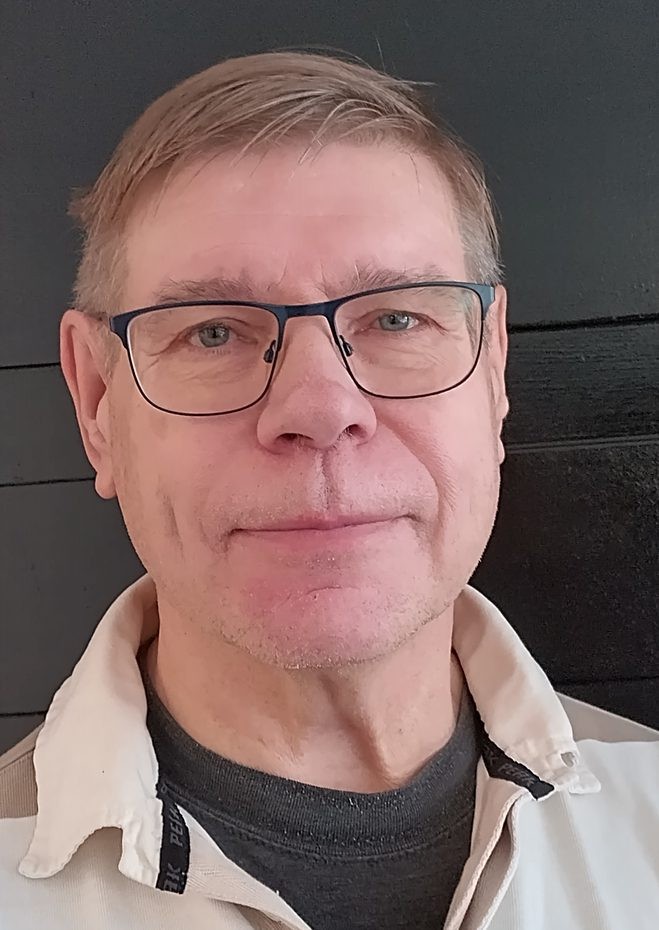
According to Järvinen, the price of a traditional surveillance radar is upwards of €15 million. An active sensor, placed at the top of a wind turbine tower to cover most of the attenuation area, can use the same basic technology for beam steering as is used in 4/5G base stations. It can be estimated that the price of such technology would be only two million euros, and even that is at the upper end of the scale, taking into account the distribution of development costs across hundreds or even thousands of base stations.
If there are multiple sensors at a thousand locations, data can be obtained from hundreds of thousands of points. The large volume and distributed production make the system resilient in a crisis situation, even if an individual sensor is not fully operational. A distributed system is very difficult to destroy, and information can still be filtered from the data stream.
Two years and results
In terms of technology, within two years we should already have a good idea of what can be done and achieved with it. Adapting commercial products to the technology will take some time, but even that is not expected to take longer than two years.
Building the entire energy system, including wind and solar power plants, electricity transmission, and hydrogen infrastructure, will take an estimated seven to ten years. Therefore, the technological solution must be ready almost simultaneously with the planning of the location, construction, and search for investors. If long pilot or testing periods are required for the solution, lasting five to eight years, time will inevitably run out.
Hydrogen brings control and resilience
Wind power is the fastest electricity generation project that can be implemented, meeting the rapid needs of data centers, for example. Hydrogen storage facilities play a key role as a balancing force. Large rock caverns enable a balance to be maintained between variable production, such as wind power, and steady consumption, for example in industry and Power-to-X processes.
Decentralized production, in which hydrogen plays a key role, makes Finland's energy system as a whole more resilient in crisis situations. When energy production and storage facilities are geographically decentralized across numerous locations, they are difficult to destroy. Centralized production is extremely vulnerable in a war situation. In Ukraine, every energy production facility has been hit by Russian missiles.
Governance is not a threshold issue
The important administrative issue for the Defense Forces, namely who controls critical sensor technology in wind turbines, is not an insurmountable problem. The Defense Forces already rely on commercial agreements and private operators for the repair and maintenance of critical systems. According to Järvinen, it is more a matter of complying with rules to ensure equipment safety and information security.
The dual-use system combining energy and defense infrastructure being developed in Finland is not only unique in Finland, but also has significant international export potential. This innovative and cost-effective solution would be well suited to countries on Europe's eastern border and could be used, for example, in drone surveillance at wind farms located near airports.
Wind turbines as an aid to border control: LUT University's groundbreaking pilot project at the Muukko wind farm is progressing
Wind power near Finland's eastern border faces a tough challenge: the Finnish Defense Forces have traditionally opposed wind turbines because they interfere with air surveillance and border control. A project led by LUT University is now looking for a solution to how wind turbines can be used as a platform for surveillance technology.
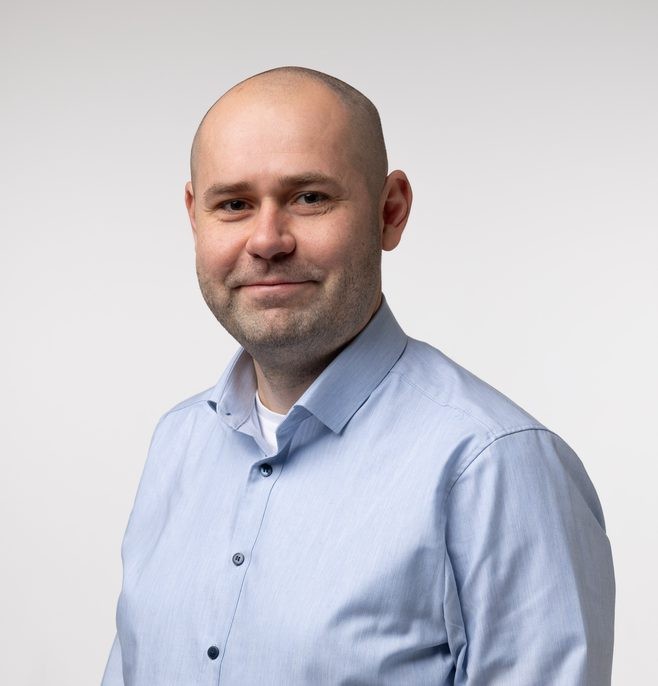
Project managerTeemu Tuomisalo(LUT University) says that the ongoing pilot is the first of its kind in Finland and probably in the whole of Europe this close to the eastern border. The pilot is part of the Green Hydrogen and Carbon Dioxide Power for Southeast Finland project, which is funded by the European Regional Development Fund.
Exilion (formerly TuuliMuukko) has given permission to use its wind farm as a test area. Measuring equipment will be installed in one wind turbine later this year. This will be used to create a description of the operating environment, including electromagnetic and power electronics interference, interference from the movement of the wind turbine blades and nacelle, and the effects of weather conditions that may affect the operation of sensor technologies.
The aim is to demonstrate that various sensor technologies can be installed in wind turbines to detect different threats, thereby improving the Finnish Defense Forces' surveillance capabilities and enabling new wind power construction in eastern Finland. One of the most interesting sensor technologies is passive radars, which, when placed high up, can detect missiles and fighter jets earlier than active radars.
The ultimate vision is to develop wind turbines into border control and air surveillance nodes that utilize existing radio transmissions (e.g., Yleisradio signals) for passive target observation.
Passive technology does not transmit signals itself, but utilizes existing transmissions. It is also significantly cheaper than the active radars used by the Finnish Defense Forces, which cost hundreds of millions, Tuomisalo summarizes.
Success has a tremendous impact
The project began on September 1, 2024, and will continue until February 2027. Five European defense technology companies are already involved and are very interested in the test area. LUT's own measurements will begin in early 2026. The goal is to have the first results ready for publication by summer 2026.
If a solution is found, it will remove one of the biggest obstacles to wind power and green hydrogen projects in eastern Finland and elsewhere in eastern Europe.
"At the same time, it would open up a whole new market; wind turbines would become dual-purpose security and energy infrastructure hubs," Tuomisalo emphasizes.
The project is also attracting interest in the Baltic states, Sweden, and Norway. NATO's funding framework has a lot of money available for this kind of technological development, more than was spent on dealing with the COVID-19 pandemic, for example.
The dream: universities, businesses, and the armed forces sitting down together at the same table
According to Tuomisalo, the best outcome would be close trilateral cooperation.
In leading countries such as the United States and Israel, universities, the defense industry, and the military are developing this together. We still have a way to go in Finland, but this pilot is the first step. Once we have concrete results and a couple of defense companies properly on board, it will be easier for the Defense Forces to come to the table. Next summer, we will know what kind of electromagnetic environment prevails in a wind farm and what kind of sensors can actually be installed there. If everything goes according to plan, wind power projects in eastern Finland will have a completely new argument to present to the Defense Forces: wind farms are not a threat – they can be part of the solution.

MEMBERS INTRODUCED: Valveres
Responsibility is increasingly becoming a competitive advantage for companies
Valveres helps companies navigate the jungle of responsibility and sustainable development. According to CEO Vertti Sahala, responsibility can be harnessed as an engine for growth and success – not just as a mandatory reporting requirement.

The supervisory board consists of four young experts who have gone straight from school to becoming entrepreneurs, as well as the first new partner to join the company. The company offers its customers comprehensive corporate responsibility and business development services, such as materiality analyses to identify what is truly important for the company in terms of responsibility, the development of new responsibility-based services and products, market research and service design from a responsibility perspective, and assistance with reporting and regulatory interpretation.
“We want to help companies navigate the jungle of regulations and stakeholder expectations, but above all, we want to make responsibility a genuine asset for business and growth,” Sahala sums up.
Clean electricity has already significantly reduced Finland's emissions, but the next step requires new solutions: electricity storage, transportation, and, for example, a hydrogen economy. Hydrogen is also linked to the circular economy and applications such as clean steel.
“We want to be where sustainable development is really being promoted – learning and helping industry to incorporate these themes into the core of their business,” Sahala explains.
You need to know how to recognize genuine responsibility
According to Sahala, it is important to distinguish between genuine, business-critical responsibility and greenwashing. Sometimes the most significant actions are the boring due diligence practices that are invisible to consumers but critical to the company. In addition, it is also critical for the company itself to identify truly significant responsibility issues so that resources can be used wisely.
Sahala highlights three major areas of responsibility that are particularly important at present.
1. Adoption of the EU taxonomy is progressing – precisely defining what is “green” and what is not (e.g., when hydrogen is included in the taxonomy, i.e., defined as sustainable).
2. Corporate Sustainability Disclosure Directive (CSDDD) and Reporting Directive (CSRD) – negotiations are underway to relax the requirements and give smaller companies more time to prepare for reporting.
3. Harmonization of reporting – reporting requirements that are mandatory for large companies inevitably trickle down to subcontractors and SMEs. The EU's voluntary VSME framework (Voluntary Sustainability Reporting Standard for SMEs) has been created to alleviate this situation, and even smaller companies should familiarize themselves with it if they have larger customers.
In addition to these factors, geopolitics is having an increasingly strong impact on corporate acquisitions and sales, and international trade must now be carefully monitored due to customs duties and sanctions.
How much time does reporting take up for SMEs?
As a rule of thumb, the first year takes the most time, and the second year considerably less. The basic VSME report is very simple. It includes questions on topics such as energy consumption, greenhouse gas emissions, labor issues, and corruption.
"For a technology company with 30 to 100 employees, it could take 50 to 100 working hours the first time around, assuming that the basic information is already available," Sahala estimates.
According to him, many Finnish companies are already naturally precise and meticulous, so responsibility reporting can become a competitive advantage – especially when the requirements apply equally to all companies operating in Europe.
VIEW
Tommi Siikaniva, Communications Specialist, Finnish Hydrogen Valley Association
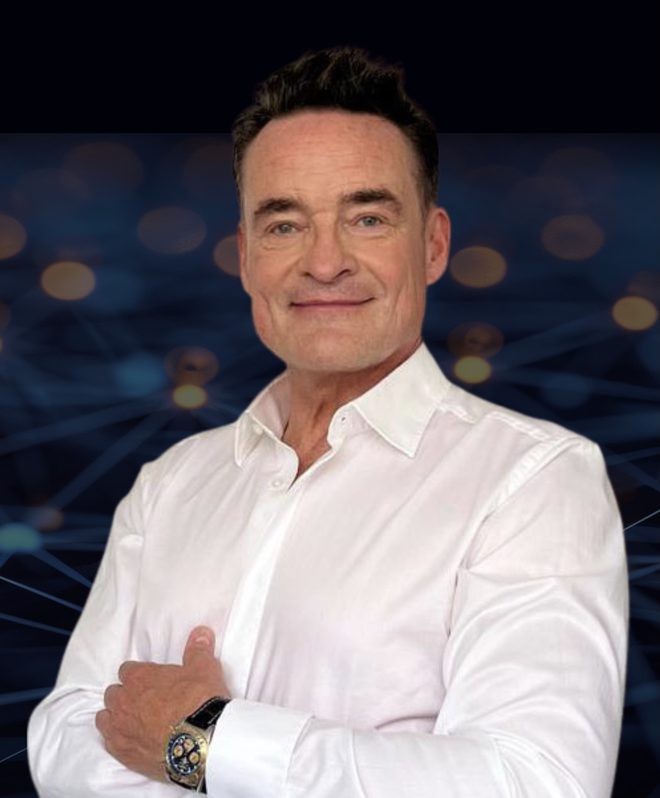
A year ago, I was given responsibility for communications at Suomen Vetylaakso ry, and I was delighted to be able to start with a clean slate. The goal was clear: to accelerate investments in the hydrogen economy in eastern Finland and to make Suomen Vetylaakso the most respected player in the field in line with our refined strategy.
I was responsible for all communication: summarizing messages, coaching members, media relations, social media communication, newsletters, website redesign and updates, networking, trade fair and event arrangements, reporting, etc. And everything else that needs to be done in a two-person organization to keep the engine running at over 5000 rpm.
Looking back on the past year, I can say without exaggeration that the machine has been running at full speed, sometimes even in the red, and continues to run like a Singer; we have achieved a lot. Quantitative achievements are easy to assess, even just by glancing at the calendar.
We have published six newsletters providing up-to-date information and national-level expert opinions from top political influencers, investors, and energy industry experts. The number of subscribers to our newsletter is happily approaching the 500 mark. We are constantly reminded that only regular, high-quality newsletter content will engage our members and keep our stakeholders up to date.
We have generated massive media coverage, reaching nearly 100 million Finns. This is not just a number, but proof that our message is of interest at the national level and that Finland's Hydrogen Valley is now seen as a key player in the field. Through hard work, we have managed to get the hydrogen economy into the media headlines on average every week with interesting communications. We have promoted open discussion about the hydrogen economy, taken a strong stance in favor of wind power and the utilization of bio-based carbon dioxide, and issued statements on transmission grid development scenarios, to name just a few topics. Examples of this include several opinion pieces in both Helsingin Sanomat and the main media outlets in the provinces.
The number of followers on our LinkedIn channel has increased by over a thousand to more than 1,200 followers. The growth of social media channels is vital in modern stakeholder communications. The increase in the number of followers shows that people are listening to us.
We have met with political decision-makers at both the provincial and national levels. We have participated in numerous renewable energy events, from local seminars to national forums. Face-to-face interaction is invaluable in this field, and our presence has strengthened our position as a regional advocate and enabler. Next year will kick off in Tampere with the Hydrogen Summit & Expo, which brings together Finnish and international influencers in the hydrogen economy.
Does quantity matter? Well, yes, it does, but the most important thing in all communication, and especially in the hydrogen economy, is the ability to summarize messages into interesting and concrete terms. When thinking about messages, asking yourself how hydrogen affects the life of an ordinary Finn will get you a long way. The significance of the hydrogen economy must be linked to everyday life in an interesting way, so that even my own daughter understands how investments in the hydrogen economy affect the achievement of Finland's environmental goals, the price of electricity bills, or even the fact that there is still a pharmacy and a gas station in the center of Ruokolahti, where my cottage is located. In practice, these represent the vitality that renewable energy and the hydrogen economy bring to eastern Finland.
It is also essential to raise awareness of the hydrogen economy by steering public debate in the right direction. Take, for example, the current debate on wind power, which is focusing on completely the wrong issues. Instead of aesthetics and noise issues, which are all over the discussion forums, the focus should be on the impact of wind power on energy prices, municipal services, and security of supply in crisis situations. Education is one of our top communication goals.
There is a lot of work to be done and the road ahead is winding, but I am convinced that with determined and targeted communication, this winding road will widen into a multi-lane highway for the breakthrough of the hydrogen economy in eastern Finland and elsewhere in the country. And something has already been achieved, as PresidentAlexander Stubboffered hydrogen at his Independence Day reception. Hydrogen has become socially acceptable and is on the lips of decision-makers. Thank you to my boss Jamil for a fantastic, educational, and fast-paced year, and to all of you who have been part of the journey. The work continues.
NEWS FROM US AND THE WORLD
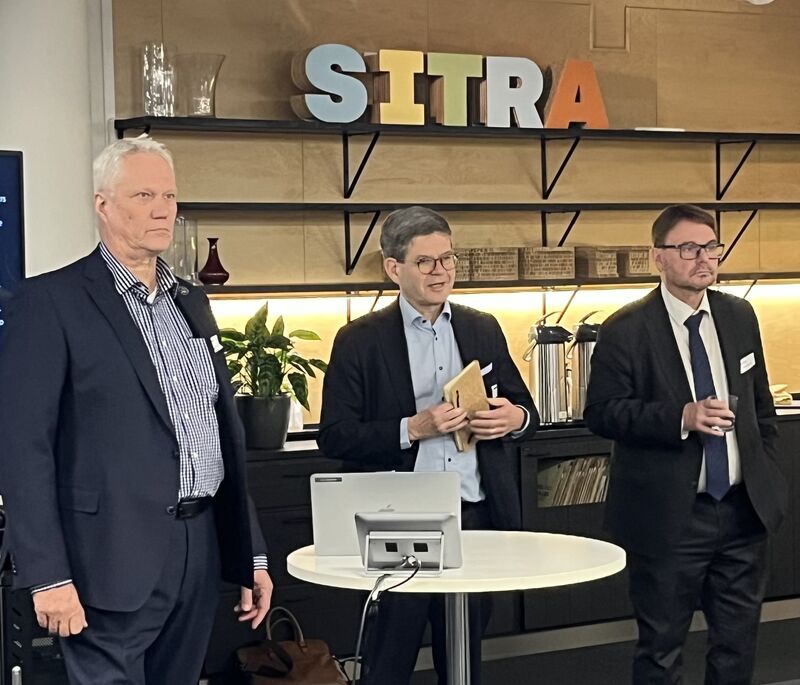
ResilEast program awaiting funding decisions
The ResilEast program, which has attracted considerable interest among various stakeholders and gained support across party lines, has moved into a phase where funding decisions for the pilot phase of the program are awaited.
Funding for the preparatory phase of the ResilEast program, which is highly topical and in line with both national policy for eastern Finland and the EU's resilience objectives.
ResilEast was announced in May 2025, and its main objective is to strengthen the security, security of supply, vitality, and preparedness of eastern Finland from a comprehensive security perspective. The program is in a critical preparatory phase: we are building the content into separate projects, the coordination and program planning of which will require funding for the years 2026–2028. The actual implementation of the program will begin after this. On December 28, the ResilEast program's influencers in eastern Finland organized an event with Sitra, which brought together around 50 leading figures in the energy economy, land defense, and political life to work on a vision for Finland's future based on the program. The program was presented in order from left to right by hydrogen economy entrepreneur Jari Sistonen, U-Cont Oy, former EU ambassador Markku Keinänen, and research director Petteri Laaksonen, LUT University.

Decentralization of wind power evens out price fluctuations
According to a recent study by LUT, decentralizing wind power across Finland will stabilize electricity price fluctuations and improve the profitability of wind power and the functioning of the electricity market.
With the energy transition, electricity is increasingly being generated by wind and solar power. Planning the location of new production facilities is becoming increasingly important. Researchers at LUT have developed a new method for assessing how new wind power capacity and its location will affect the market price of electricity, the profitability of investments, and societal benefits in Finland.
– Wind power should not only be built where the wind blows the most. Spreading them out across Finland reduces price cannibalization, increases the profitability of new investments, evens out electricity price fluctuations, and reduces harmful bottlenecks in the electricity system, says junior researcherMarkus SalmelinfromLUT'sElectricity Market Laboratory.
Currently, most of Finland's wind power is generated on the west coast. However, the geographical concentration of weather-dependent energy production causes price cannibalization, i.e., a situation where overlapping production peaks lower the market price of electricity and eat into producers' revenues.
"Building additional wind power capacity in high-capacity areas, such as the west coast, could reduce producers' revenues by up to nine euros per megawatt hour (MWh)," saysJukka Lassila, Professor of Electrical Engineering at LUT.
The importance of the methanol economy may exceed that of the hydrogen economy, reveals a recent doctoral dissertation
A recent doctoral dissertation from LUT University examines the future of electric fuels, including the value of global trade, the costs of transport solutions, the competitiveness of imports, and the role of carbon dioxide as an important raw material.
Tansu Galimova, a junior researcher at LUT University, has studied the factors that need to be taken into account in the strategic planning of electric fuel production, transport infrastructure development, and carbon dioxide procurement in order to ensure that the large-scale introduction of e-fuels and e-chemicals is cost-effective.The study was conducted in collaboration with the University of Helsinki and the University of Tampere.
E-methanol could become the most significant e-fuel or e-chemical due to its versatility. E-methanol can be refined into gasoline, dimethyl ether, kerosene-based jet fuel, and basic chemicals. It would therefore serve not only as fuel for ships, but also as an important raw material for other products and industries. Galimova estimates that the concept of a methanol economy may even prove to be more significant in the future than the hydrogen economy, which is currently the subject of widespread debate.
Galimova's dissertation describes the significant role of e-fuels and e-chemicals in sustainable future energy systems, particularly in the transport sector and industry. Strategic planning of transport infrastructure, the availability of different energy resources, and international trade are key factors in accelerating the adoption of electric fuels and minimizing their costs in the long term.
Long-distance hydrogen transport may not be competitive compared to local production, whereas importing e-methanol may be economically viable. Hydrogen is more likely to be produced and transported within smaller areas. Other fuels are easier to transport by ship and can be traded over longer distances. The research results underscore the need to carefully weigh the different options, taking into account the additional costs associated with transport.
Demand for e-cigarettes and e-chemicals is growing rapidly
Research results show that demand for e-fuels and e-chemicals will grow significantly in the future, reaching 3,690TWhthin 2030 and 43,250TWhthin 2050. At the same time, total demand for fuels, including fossil and bio-based fuels, will decline slightly as energy efficiency improves and electrification reduces consumption.
Large-scale production of e-fuels will consume 6.1 gigatons of carbon dioxide annually by 2050. Approximately 40 percent of this could be obtained sustainably from individual emission sources, such as cement, pulp, and paper mills, and waste incineration plants, with the remainder being captured from the air.
Capturing carbon dioxide from individual emission sources and integrating it into the energy system can reduce costs, improve resource efficiency, and generate socioeconomic benefits. In Finland's case, the production costs of e-methanol would be lower if carbon dioxide were transported from the emission source to renewable electricity production sites than if electricity or hydrogen were transported to carbon dioxide sources for processing.
International trade can reduce fuel costs by up to 38%
Global fuel trade will continue, albeit at a lower volume than current fossil fuel trade, as renewable energy sources are widely used. According to Galimova, trading could reduce fuel costs globally by 2–8% per year, depending on the fuel. In some countries, costs could fall by as much as 38%, particularly in Europe and Eurasia. An estimated 23–32 percent of global demand for e-fuels will be met through international trade, utilizing both existing trade infrastructure and new systems.
International cooperation is essential in developing energy systems, but in terms of security of supply, it is important to build at least some domestic production capacity for electric fuels. Domestic production supports the economy and helps keep costs under control. It also reduces dependence on countries that export fossil fuels or new green energy products, which can contribute to international security and peace.
Source: LUT University
New regional land use law restricts wind power construction
The government outlined regulations for wind and solar power, which will be stipulated in the new Land Use Act. The decision to set a fixed distance of 1,250 meters between wind turbines and residential areas will prevent wind power construction in eastern Finland and industrial areas. The provisions concerning solar power construction threaten to stifle the development of this emerging sector at an early stage with unnecessarily heavy regulation.
According to a press release from the Ministry of the Environment, wind power regulations are set to become significantly stricter. A fixed minimum distance of 1,250 meters between residential areas and wind turbines would make the current impact-based model for wind power distance regulations significantly stricter. In practice, the regulations would exclude a large part of the potential wind power areas in southern Finland, as well as many areas used for industrial purposes.
This means that, in practice, wind turbines could no longer be built in southern Finland and industrial areas. In Finland, distances have so far been determined based on the impact of wind power, and now the regulations are being tightened significantly. A fixed distance limit for wind power will weaken Finland's ability to increase domestic electricity production where it is most needed, saysAnni Mikkonen, CEO of Finnish Renewables.
Electricity consumption is expected to double in the coming years, and wind power is the cheapest and fastest way to increase clean electricity production in Finland. As a decentralized form of production, wind power also supports the operation of the electricity grid.
– The loss of wind power potential in southern Finland will also make it more difficult to balance the electricity system and weaken security of supply. On a positive note, the draft bill now takes into account the extensive feedback received, which particularly highlighted municipalities' concerns about the weakening of local democracy in energy production, commentsMatias Ollila, Director of Renewable Energy Advocacy at Finland.
Regulation of solar power unnecessarily burdensome
The government has decided that the construction of solar power plants covering at least 50 hectares will always require zoning. According to Finland's renewable energy estimates, this will increase the regulation of industrial solar power in a way that is not in line with the government program's goal of streamlining the permitting process.
The government's policy still overregulates an industry that is in its infancy. Domestic solar power reduces emissions, creates economic growth, and strengthens the balance of the electricity system. The zoning restriction limits municipalities' ability to make decisions about their own areas and places an unjustified burden on municipal planning departments, which are already struggling with resource challenges.
"This conflicts with local self-government and good land use planning," commentsKlaara Tapper, Head of Renewable Energy Advocacy at Finland.
In addition to streamlining the permitting process, the government's objectives were to utilize, for example, wasteland and disused peat production areas for solar power construction. The proposed regulations do not support these objectives.
Artificial zoning restrictions increase project costs and thus make it difficult to locate solar power plants in former peat production areas, for example. Finland is still in the early stages of developing industrial-scale solar power: the sector deserves a predictable operating environment that enables investment and accelerates the energy transition in a fair manner that supports the regional economy. Overregulation slows down positive development completely unnecessarily, Tapper notes.
Source: Finland's renewables
Wind and solar power maintain their position as popular energy sources
Changes in energy attitudes have been moderate. The popularity of nuclear power has grown, while wind and hydro power have remained at a good level. Energy self-sufficiency is the most important energy policy goal for citizens, according to the annual energy attitude survey conducted by Energy Industry Association.
Citizens are willing to pay slightly more for electricity transmission, as long as outages remain short. District heating requires waste heat, which can be obtained from data centers and industry.
Concerns about energy security began to grow as Russia prepared its attack on Ukraine in 2021. Energy self-sufficiency is still seen as the most important energy and climate policy goal, with reasonable energy prices coming in a close second. Mitigating climate change is in third place and clearly on the rise, although there is still some way to go to reach the figures for 2017–2018.
Energy self-sufficiency as the most important energy and climate policy objective
Solar energy remains the most popular energy source when asked what people want more of. Wind power is a close second, and nuclear power is third, having overtaken hydropower for the first time in the popularity rankings. Well over 80 percent of respondents want to either increase the amount of nuclear and hydropower or keep it at the current level. Support for electricity produced from bioenergy has declined, but remains at a relatively high level, with 72 percent of respondents either wanting to increase or maintain it at current levels and less than 20 percent wanting to reduce the use of bioenergy in electricity production.
Among heating methods, district heating produced from renewable sources had clearly grown in popularity. When asked “which heating method would you choose if you had the choice,” geothermal heating was considered the most popular (41%), but district heating produced from renewable sources (27%) and district heating produced from small-scale nuclear power (12%) were almost equally popular when combined (39%).
The most popular source of district heating was waste heat.
The most popular source of district heating was waste heat, which is obtained, for example, from industrial processes and data centers. The next most popular sources of district heating were, in order, solar heat, which is of minor significance, waste, and small-scale nuclear power, which is still at the planning stage.
Awareness of small modular reactors has remained unchanged, and the number of people with a very positive attitude (29%) has increased, mainly at the expense of those with a fairly positive attitude (40%). The number of people with a very negative attitude is small, only four percent.
Tolerance for power outages has increased slightly from last year. One-third of respondents considered a power outage lasting more than three hours to be tolerable, while one-fifth considered half an hour in the dark to be the maximum. Respondents were willing to pay slightly more than last year for investments in smooth electricity distribution. Three-fifths of respondents agreed that reducing and shortening power outages is an important goal., even if it would moderately increase the cost of electricity distribution. Only four percent of respondents thought that there should be more outages, as long as transmission prices go down.
The majority of respondents agreed with the statement that "it is necessary to invest in electricity networks and improve them in order to enable the electrification of society." Seven percent somewhat disagreed, and only one percent completely disagreed.
The survey was conducted by Iro Research and is based on a sample of over a thousand people. The interviews were conducted in October.
Source: Finnish Energy Industries
UPCOMING EVENTS
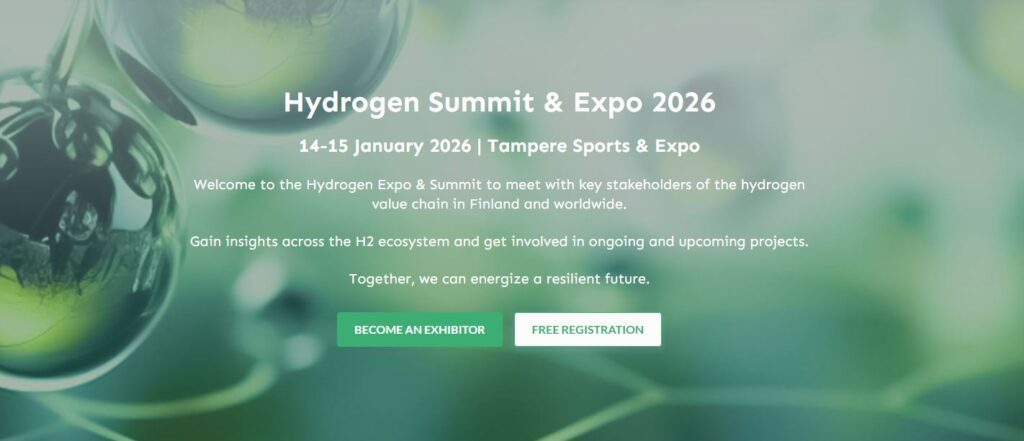
Suomen Vetylaakso ry will be participating in the Hydrogen Summit & Expo in Tampere on January 14–15. Come and join us!
We have our own stand with 10 members. Come and hear the latest news about the hydrogen economy and what Finland's Hydrogen Valley has to offer you. Come and say hello at our stand E219 Hydrogen Valley Finland. We are right next to Fortum, the main exhibitor.
Register here!

Hydrogen economy strongly featured in Oulu on February 10–12, 2026, at Nordic Hydrogen Week
Now in its third year, the event has established itself as an important meeting place for leaders in the hydrogen industry. The three-day event focuses on the hydrogen economy and its entire value chain – from research, development, and startups to end-use products.
Finland's Hydrogen Valley is participating in Nordic Hydrogen Week – come and join us!
Register here!
Join us now!
The Finnish Hydrogen Valley Association provides its members with interesting and up-to-date information on the opportunities offered by the hydrogen economy and renewable energy. We are your organisation's voice in the industry and make sure that the issues that are important to you are brought to the attention of decision-makers. We network actively, meet energy industry leaders on a regular basis and get the latest information on industry developments for your benefit.
We will provide you with regular briefings on industry developments, company visits, a newsletter six times a year, media coverage on topics that are important to you, visibility on social media channels and we will be your organisation's communications support to get your message across to your stakeholders. Looking after your interests is our job.
Join our growing team here or call Jami Holtari 040 055 1435 or Tommi Siikaniva 0400 885 747 and we'll tell you more.
Subscribe to the newsletter and give feedback
Tell us what you want to hear about in our newsletters and give us your feedback. All feedback is very important to us and we do our best to ensure that each newsletter is interesting and informative.
If you have something topical to inform us about, please feel free to send us a message. You should also follow our linkkarme: https://www.linkedin.com/company/suomen-vetylaakso-ry
Newsletter subscription:
- http://eepurl.com/iJCuto
- order by e-mail: tommi.siikaniva@vetylaakso.fi or office@vetylaakso.fi
Green hydrogen and carbon dioxide to power South-East Finland is an ERDF-funded group project in the Renewable and Competent Finland 2021-2027 programme. The main implementer is LUT University, where the Finnish Hydrogen Valley Association is one of the co-implementers.
Copyright (C) *|2025|* *|Suomen Vetylaakso ry|*. All rights reserved. Our office email is: Office@vetylaakso.fi