The success of South Karelia and Eastern Finland more broadly cannot be taken for granted. In order to succeed in national and international competition, we need to engage in continuous, determined lobbying and lobbying efforts. Critical stages in decision-making must be identified and influenced in a timely manner and with the right messages. It is now that we need to keep our region's energy and industrial projects as visible as possible.
In lobbying, it is important to identify the key stages in the decision-making process. In general, lobbying is most effective when issues are at the preparatory stage - before even the initial policies have been finalised. This is particularly the case for regulation of energy projects and investment subsidies.
When designing government programmes, budgets and regulatory reforms, it is important to be involved in the discussions at an early stage. This means actively engaging with ministries, officials and parliamentary committees. During this anticipation and preparation phase, as well as when government proposals are before Parliament, it is important to ensure that the specific characteristics of our region are taken into account. At this stage, joint communication between parliamentarians, the regional association and businesses is essential. It is worth remembering that no one but the region's own actors will take the region's side.
After decisions have been taken, we must ensure that they are translated into practice in the best possible way for our region. If necessary, legislation and subsidies can still be influenced during the implementation phase, but the more advanced the preparatory process, the greater the difficulty.
Latest legislation affecting energy projects
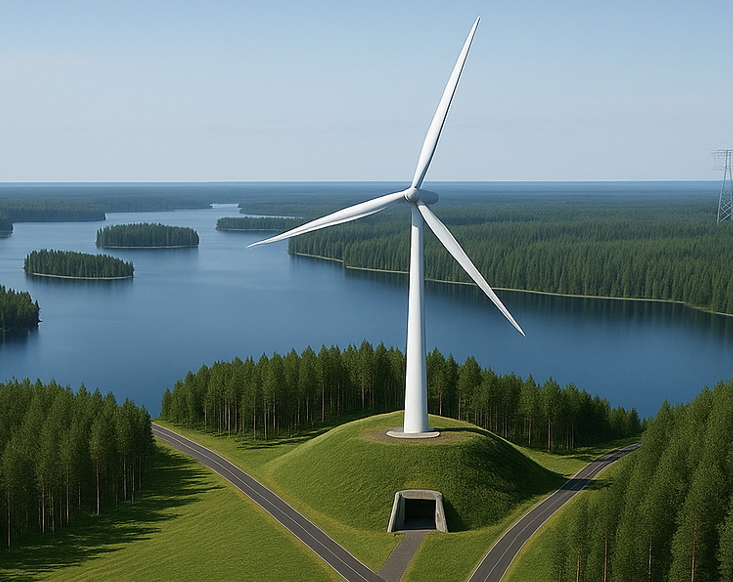
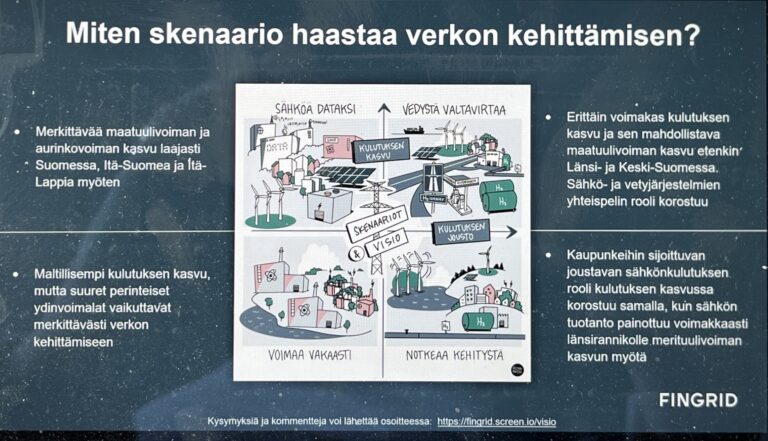
There have been significant changes in energy policy that also affect projects in South-East Finland. The EU's green transition targets, the national energy strategy and regulatory changes are driving both industrial investment and regional development. Key issues to be taken into account include investment subsidies for renewable energy, which Finland aims to use to increase renewable energy production. Eastern Finland has great potential in this respect, for example in relation to bioenergy and wind power.
Work is also underway to regulate hydropower and energy storage. Electricity storage and hydrogen technology are solutions for the future and support policies are being developed. Legislation on the regulation of critical infrastructure, linked to the EU's CER Directive, is currently being debated in Parliament. Given the geopolitical developments of the day, protecting critical infrastructure and improving resilience are increasingly central to energy projects. In this context, we need to ensure that projects in our region meet the new requirements and receive the necessary support for their implementation.
Specificities of South-East Finland in energy projects
Southeast Finland has a strong industrial tradition and many opportunities for energy projects. However, the region also faces challenges that have been identified in the advocacy work. The specific situation of the border region needs to be taken into account. The situation on the eastern border poses a challenge to investment security for energy projects and foreign and domestic investors need predictable regulatory and support policies. There is still a lot of untapped wind energy potential in eastern Finland, so smooth permitting and planning processes are critical. Efforts must be made to find solutions to licensing problems so that licensing practices do not create barriers to the necessary investments.
Advocacy is a team sport
Energy and infrastructure projects need coherent and determined lobbying. The success of our regions depends on how well the different actors - MPs, cities, the welfare region, the regional government, businesses and the third sector - manage to communicate common objectives to the government and to each other.
The results of advocacy are not always visible quickly, and sometimes they are not as desired. But this does not mean that the work is wasted - on the contrary, determined advocacy pays off in the long run. The key is to ensure that the needs of our region are known to decision-makers at the right time.
The future of eastern Finland cannot be taken for granted. Successful energy projects, a strong business sector and national decision-making that takes into account the specific characteristics of our region will ensure the future success of the region. We cannot rest on our laurels in this work. Every day is a good day for advocacy.
Jukka Kopra is a Member of Parliament, Chairman of the Defence Committee and Chairman of the South Karelia Regional Government