The closure of the Kauka paper mill is a chilling reminder that the future of our forest industry has long been at a crucial turning point. Now is the last moment to put in place all the means to create competitiveness and investment in Finland. It is therefore vital that bio-based carbon dioxide from the forest industry is introduced. Every tonne of bio-based carbon dioxide captured and used for processing will permanently improve the profitability of the conventional forest industry.
We have a huge, almost untapped resource at our fingertips: bio-based CO₂ from the forest industry. Some 24 million tonnes of such carbon dioxide are produced in Finland every year - most of it in the paper and pulp mills of South Karelia and eastern Finland. Capturing and utilising this carbon dioxide in the production of new chemicals, plastics, biomethane and synthetic fuels, for example, is not just an eco-technology - it is a billion-dollar business opportunity that will increase the industry's profitability, boost exports and create new jobs.
Recent domestic projects, such as those by VTT and LUT University, have shown that capturing carbon dioxide from forest industry smokestacks and turning it into processable products is fully feasible. Good examples include the Solar Foods protein factories and P2X plants producing various fuels. These have billions lining up for investment decisions and, once up and running, will scale up many times over, taking advantage of existing carbon emissions from pulp mills.
We can no longer afford to throw bio-based CO2 away as emissions, but to use it as a valuable resource. I call on the Finnish government to make the use of bio-based carbon dioxide a strategic priority for industry. We need clear investment support, tax incentives and research and piloting efforts to ensure that the project becomes a reality.
If Finland takes this step quickly and decisively, the forest industry can become not only the vanguard of the international green transition, but also the engine of jobs and investment for the whole of Finland well into the 2030s and beyond.
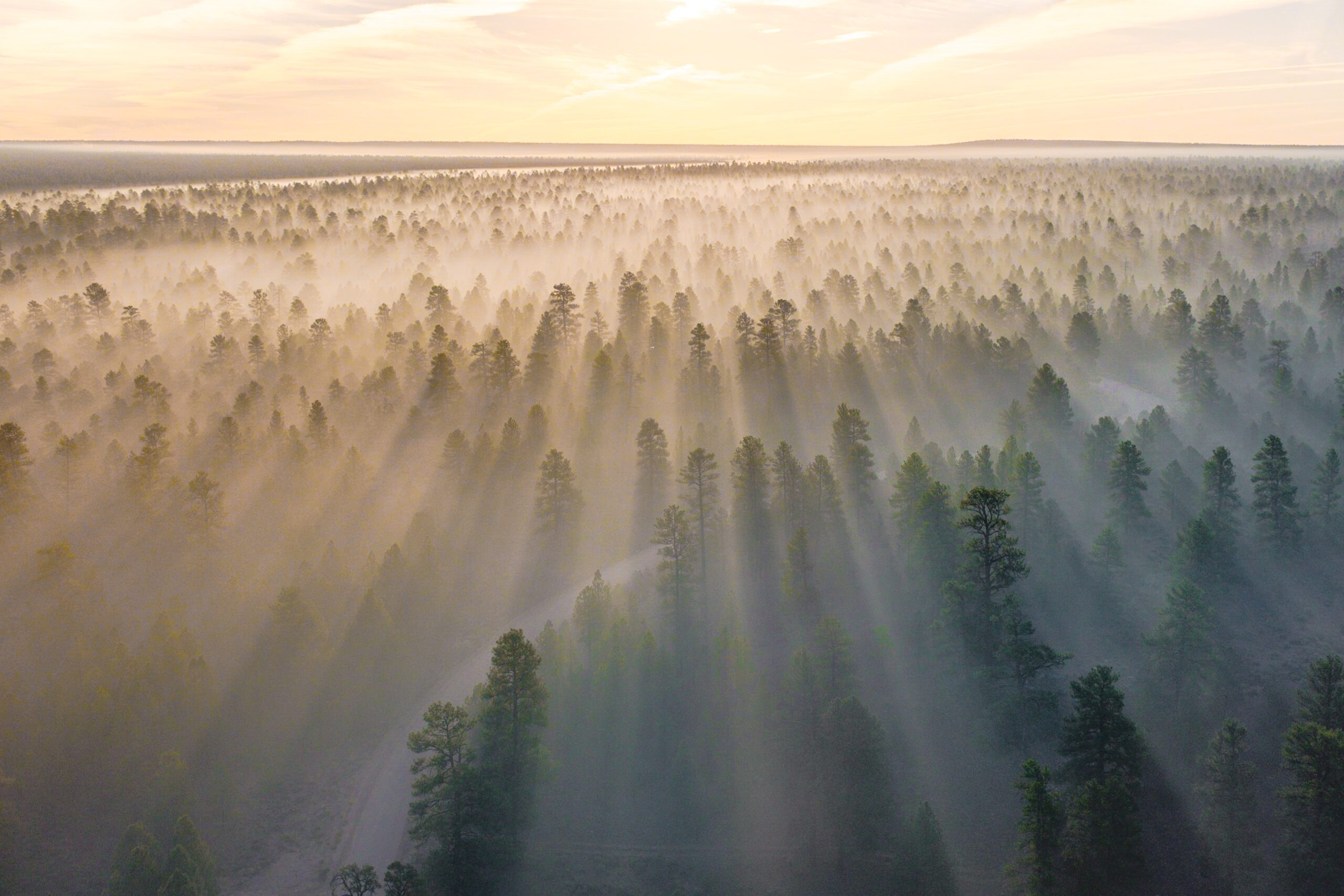
Finland lives from the forest - still, if we want to.
Jami Holtari
Managing Director, Finnish Hydrogen Valley Association