EDITORIAL
ResilEast is a program for municipalities, regional councils, all of Finland, and the EU
Right now, Eastern Finland needs, above all, faith in the future, investments, and concrete solutions. The ResilEast program is based on the idea that security, energy, and vitality are not separate issues, but rather different aspects of the same whole. ResilEast brings security and economic growth to Eastern Finland by strengthening the region’s resilience, security of supply, and investment opportunities related to the green transition. A key starting point is recognizing the strategic importance of the energy system, including from a defense perspective.
Modern defense relies increasingly on civilian energy infrastructure, and reliable energy systems are an integral part of overall security. Therefore, clean electricity generation, energy grids, data connections, and hydrogen production and processing are much more than just matters of economic policy.
Our work on ResilEast is progressing steadily. We have received funding from Sitra to strengthen the program’s structures, as well as support from Business Finland for LUT University’s Co-Creation project. These are important steps toward a broader initiative aimed at propelling eastern Finland to the forefront of European energy resilience.
Our advocacy work also continues actively. Members of Parliament have been extensively briefed on the program’s objectives, and nearly 20 members of Parliament and their staff attended the morning coffee event in November. In addition, we have held discussions with ministers and dozens of other decision-makers. We have actively promoted our own government program objectives and have also received valuable support from chambers of commerce and other regional stakeholders.
Going forward, we will focus even more strongly on Europe. Our goal is to ensure that the special status of the eastern border regions is given as much consideration in the EU’s future funding programs and policy guidelines as the goals related to hydrogen and the clean energy transition. Combining these two strategic areas presents a significant opportunity for eastern Finland.
ResilEast is not just another project. It is a program for businesses and individuals, municipalities and regions—in Finland and throughout the EU. The goal is to generate growth, jobs, and investment in regions that need new success stories.
All eyes are already on the spring. The upcoming elections should, above all, be about vitality. It is time for Finland to focus on creating growth rather than holding back opportunities. We must be able to fully realize the potential of the hydrogen and data economies. ResilEast offers a concrete path forward! We can turn the challenges facing wind power into a new competitive advantage and build eastern Finland into a strategic region for a resilient energy and hydrogen economy, in line with the goals of the EU and NATO. In this way, we will create security, prosperity, and sustainable growth for all of Finland.
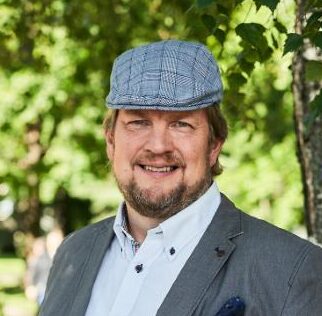
Jami Holtari, Managing Director, Finnish Hydrogen Valley Association
Retired Colonel (Engineer) Jyri Kosola: Finland’s overall security depends on the resilience of its energy system
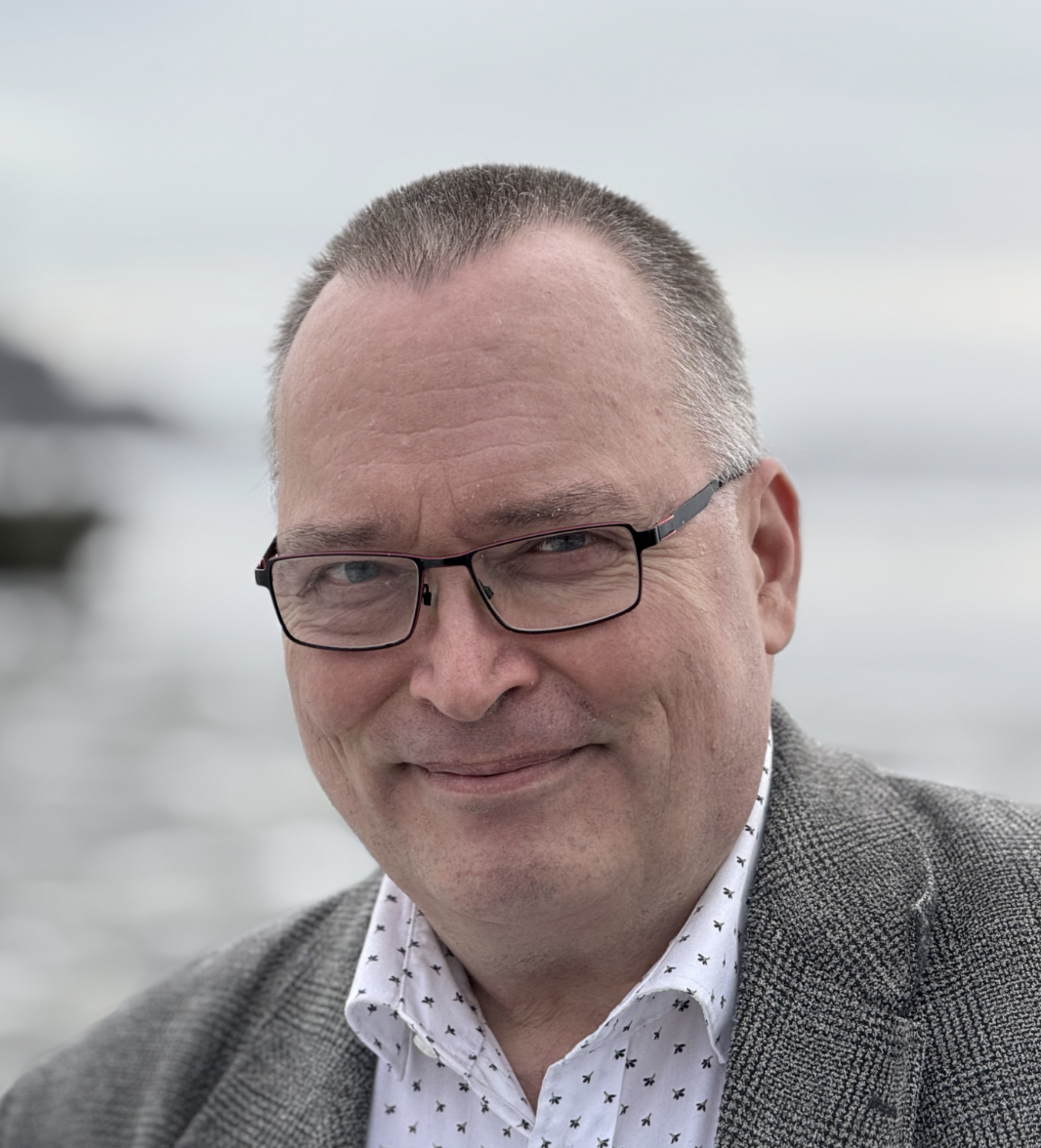
National defense is not just the responsibility of the armed forces. According to Colonel (Ret.) Jyri Kosola, an engineer who served as Director of Research for the Finnish Defense Forces, national defense is a shared responsibility of the entire society. The operational reliability of energy, telecommunications, and critical infrastructure is becoming increasingly crucial.
When discussing Finland’s security, attention is easily drawn to the capabilities, equipment, and military defense of the armed forces. According to Jyri Kosola, this perspective is too narrow. The true strength of national defense stems from the ability of society as a whole to function even under exceptional circumstances.
– National defense and comprehensive security are Finland’s greatest strengths. They are the foundation of society’s resilience. Defense capability is much more than just the capability of the armed forces, Kosola emphasizes.
Comprehensive security means that various actors in society—from businesses to government agencies, organizations, and citizens—participate in building security. In a traditional military conflict, the armed forces and border guard naturally play a central role. In modern interstate conflict, however, the means of influence are considerably broader.
Political pressure, economic leverage, cyber operations, sabotage, and efforts to influence society can all be part of the same strategy. The goal is to achieve political objectives without actually conducting a military operation.
– Everyone participates in national defense, from daycare workers to fighter pilots. Every sector of society must be able to keep its own operations running.
Energy has become a critical issue for security
Alongside Finland’s strengths in overall security, there are also significant vulnerabilities. Kosola identifies the resilience of society’s energy and infrastructure systems as the most critical of these.
Heat, electricity, telecommunications, and energy availability are the basic prerequisites of modern society. Any disruption to them quickly affects nearly all other aspects of social life.
As electrification progresses, the importance of power transmission grids is also growing. At the same time, they are becoming increasingly critical targets in the event of a conflict.
– Our strengths can become weaknesses if we do not build solutions that are resilient enough.
According to Kosola, security cannot be viewed solely from the perspective of individual facilities or systems. It is essential to understand their interdependencies and what happens if a key component of the system stops functioning.
It is particularly important to prepare for a situation in which disruptions occur in multiple systems simultaneously. If power distribution, telecommunications, or command-and-control systems fail, the impacts can extend far beyond a single sector.
Resilience begins with recognizing addictions
Kosola highlights several factors that can help strengthen the resilience of Finnish society.
The first step is to identify dependencies. Finland must know which critical systems are under its control and to what extent their operation depends on external actors.
For example, international cloud services, digital data repositories, and artificial intelligence services can be significant to the functioning of society, even though people are not always aware of their dependencies on foreign infrastructure.
– We should identify the areas in which we are a sovereign state and those in which we are dependent on other actors.
Another question concerns capacity. Does Finland have enough of its own systems and alternative operating models that can be implemented in a crisis situation? The third issue is business continuity: what happens if a system crashes or becomes inaccessible?
Kosola emphasizes the importance of innovation. Resilience requires the ability to develop and implement alternative technologies, materials, systems, and operating methods.
According to him, key systems critical to sovereignty include, among others, navigation, time determination and distribution, situational awareness systems, command and control systems, and the energy system.
Not all of these need to be under Finland’s sole control, but their proper functioning must be ensured either at the national level or through European cooperation.
The same investment can be used to build both vitality and security
One of Kosola’s key ideas concerns how resilience should be taken into account in society’s normal investments. According to him, security and security of supply should not be viewed as separate additional costs that come only after other investment decisions have been made. Instead, crisis resilience should be incorporated into infrastructure planning from the outset.
– When building social systems, it is possible—with the same amount of money or a small additional investment—to develop solutions that are also resilient and less dependent on other actors.
Kosola uses wind power construction as an example. In connection with wind power projects, roads, power grids, and telecommunications connections are built. This infrastructure can also be designed to serve other societal and national defense needs.
For example, in the context of power grids, decentralized energy production can be developed, and alternative connections can be built alongside existing telecommunications networks. Wind turbine structures, in turn, can be utilized as various technical platforms, such as for sensor systems and solutions related to drone defense.
The location of data centers and other critical infrastructure can also be examined from this perspective.
– We talk more about overall optimization than about making separate, large-scale investments in security.
This approach opens up an interesting opportunity, particularly for eastern Finland, where investments in renewable energy, the development of power grids, and the construction of new infrastructure can simultaneously strengthen the region’s security of supply and safety.
The energy system as a whole is the most urgent area for development
In Kosola’s view, Finland should prioritize the comprehensive sustainability of its energy system as a matter of urgency. This applies to electricity as well as liquid and other fuels based on chemical energy. Energy security cannot be built on the basis of just one form of energy or a single production solution. Russia’s invasion of Ukraine has demonstrated this.
In Kosola's view, energy storage, the decentralization of energy production, and the availability of alternative energy sources are also key issues.
– In a crisis situation, all aspects of society may become targets of military action. Simply protecting the armed forces is not enough if society’s energy supply or other critical infrastructure is vulnerable.
A good example of widespread military influence and the vulnerability of modern society was the cyberattack carried out a couple of weeks ago on the refrigeration systems of grocery stores. This demonstrates the importance of decentralizing energy infrastructure and ensuring its operational reliability as a key component of national security.
Safety and vitality must be planned together
Finland’s overall security cannot be built in isolation from the development of the business sector, energy production, and infrastructure. Investments in renewable energy, power grids, telecommunications connections, data centers, and new energy solutions are, at the same time, investments in society’s ability to function. When security is taken into account from the very beginning of their planning, multiple objectives can be achieved with the same resources.
However, this requires a new kind of cooperation between the public sector, businesses, research organizations, and security authorities.
Finland’s strength lies in its already comprehensive approach to overall security. The next step is to ensure that this same mindset is applied even more strongly to investment decisions regarding energy infrastructure and new industrial activities.
Ultimately, the question is not just how much energy is produced in Finland, but also how reliably it is available when society needs it most.

Elina Laurinen: The security and vitality of Eastern Finland are a strategic issue for all of Europe
The EU’s Eastern Border Strategy, new funding instruments, and the upcoming budget period open up opportunities for the region’s development. Elina Laurinen, Head of the European Commission’s Delegation to Finland, encourages stakeholders in eastern Finland to take action: projects must be actively brought to Brussels, their European significance must be highlighted, and funding channels must be tapped into in a timely manner. The ResilEast program is a good example of this.
Russia’s war of aggression in Ukraine has fundamentally changed the operating environment in Finland’s eastern border regions. The closure of the border, the severing of economic ties, and changes in the security environment have affected the regions’ business life, investments, and future prospects.
The European Union has recognized this situation. From the Commission’s perspective, Finland’s eastern border is not merely Finland’s external border, but part of the entire European Union’s eastern border. This has significant implications for how EU policy, investments, and funding will be directed in the future.
The future of Eastern Finland is not merely a matter of domestic regional policy for Finland. It is part of Europe’s security and competitiveness strategy. The European Commission recognizes the importance of Eastern Finland for the security, competitiveness, and energy self-sufficiency of Europe as a whole.
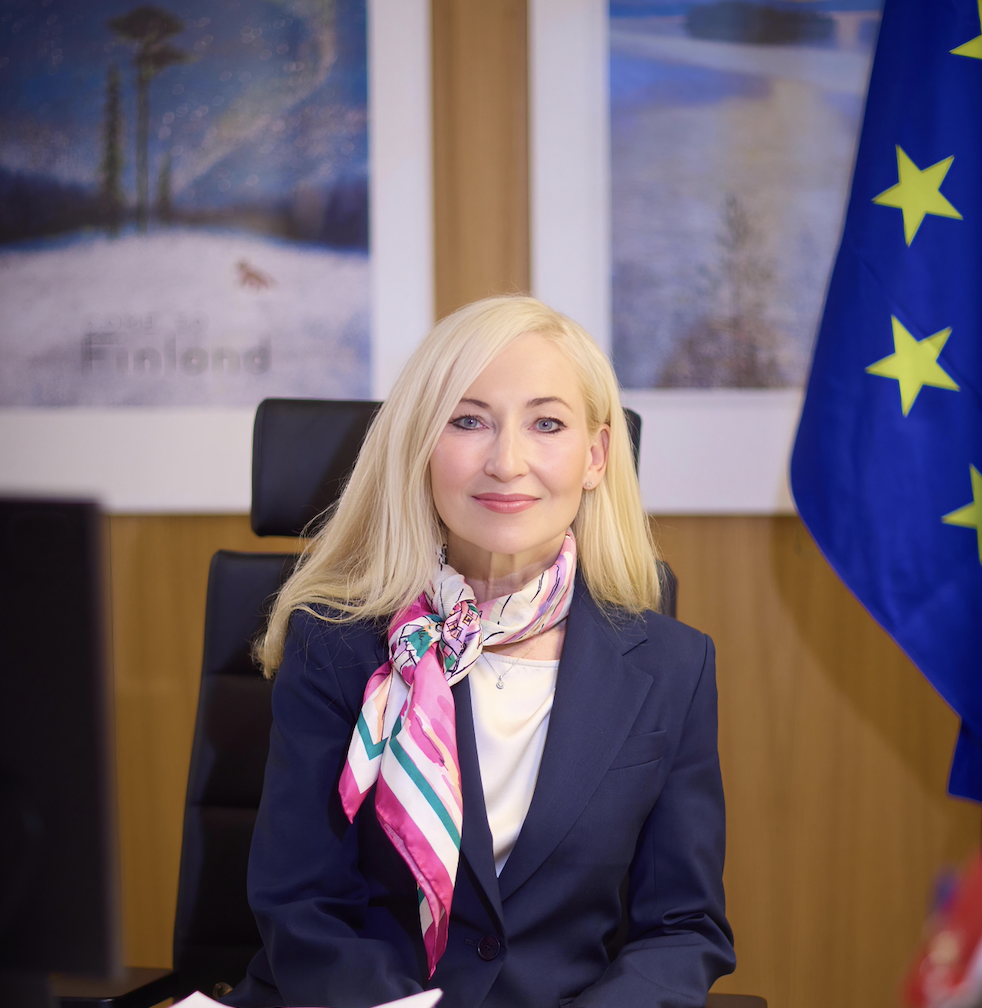
Elina Laurinen, Head of the European Commission's Delegation to Finland, emphasizes that eastern Finland is of strategic importance.
– Finland’s eastern border is Europe’s eastern border. Security and vitality are not merely a national issue for Finland, but a European issue.
According to Laurinen, the European Commission’s goal is to strengthen Europe’s autonomy, independence, competitiveness, and prosperity. These goals are also directly linked to the future of eastern Finland.
The European Commission’s delegation from Helsinki visited Joensuu in November to discuss the topic with representatives of the region, the city, and local businesses; the Karjalainen newspaper also reported on this on November 11, 2026
Eastern Finland is a strategic region in Europe
The EU’s Eastern Border Strategy recognizes the special status of the eastern border regions and the challenges they face. According to Laurinen, the significance of the strategy is not limited to individual regional policy measures. It represents a broader shift in how Europe views the security and future of its eastern regions.
In preparing the strategy, the Commission extensively gathered input from various stakeholders and Member States. The goal was to identify both the challenges facing border regions and the opportunities they offer.
"The Eastern Border Strategy is a very strong political statement recognizing the importance of the eastern border regions and taking the challenges they face seriously," Laurinen says.
According to him, the central premise of the strategy is that security, crisis resilience, and the strengthening of economic activity go hand in hand. Regions must remain populated and functional. This requires business activity, jobs, investments, and a functioning infrastructure.
From the Commission’s perspective, strengthening eastern Finland also serves the interests of the entire Union. A vibrant border region enhances Europe’s ability to respond to crises and strengthens its strategic capacity.
Laurinen points out, however, that Finland should not assume that others will keep the issue on the agenda.
– It’s important that those who have practical insight and experience—and who see these impacts and opportunities firsthand—keep the issue in the spotlight. It’s not a given that others will remember it.
Security, energy, and competitiveness are intertwined
According to Lauris, the key priorities of the strategy are strengthening external border security, enhancing military mobility, protecting critical infrastructure, preparing for information operations, and improving energy self-sufficiency and the resilience of supply chains.
At the same time, the economic vitality of the regions must be strengthened. This involves, among other things, investments in transportation networks and digital connectivity, as well as the development of skills and business activities.
One particularly interesting aspect relates to energy. Reducing Europe’s dependence on fossil fuels, increasing clean energy production, and developing energy infrastructure are key objectives to which eastern Finland has much to contribute.
Laurinen also highlights critical raw materials, the bioeconomy, and energy infrastructure.
– These are sectors in which Eastern Finland’s natural resources, expertise, research, and industrial potential can form a significant foundation for new investments. Security and competitiveness go hand in hand.
He also urges people to keep an eye on other EU strategic policies that may have an impact on the development of eastern Finland. Among these, he specifically highlights the Arctic Strategy and the Bioeconomy Strategy.
– The Arctic Strategy emphasizes the importance of the northern and eastern regions from the perspectives of both security and vitality. The bioeconomy, for its part, is an important sector for eastern Finland, and opportunities are emerging for its development.
East Invest Brings Together European Investors
One of the financial instruments highlighted in connection with the Eastern Border Strategy is East Invest. Its goal is to channel additional funding to Europe’s eastern border regions and to support projects that strengthen the regions’ economies, infrastructure, and security.
The mechanism is based on cooperation among several European and national financial institutions. Participants include, among others, the European Investment Bank, the Nordic Investment Bank, and the European Bank for Reconstruction and Development, as well as national financial institutions.
The primary aim is to assist in the preparation and development of projects. The European Commission’s Directorate-General for Regional and Urban Policy (DG REGIO) coordinates the platform for cooperation.
“For example, through advisory services, we’re trying to develop projects and help move forward initiatives that support the various priorities of the Eastern Border Strategy,” Laurinen says.
According to him, EastInvest should also be taken into account in projects in eastern Finland.
– The mechanism is not tied to the EU’s future multiannual budget. It involves financial institutions’ own resources, which can be used to combine public and private funding. This offers an opportunity for projects that require loan financing and private investment in addition to public support.
The upcoming EU budget will be a major factor
The Commission has presented a proposal for the upcoming budget, but the final details and the allocation of funds will be decided by the member states and the European Parliament. The new funding period begins in 2028. However, the timeline depends on negotiations among the member states and their outcomes.
According to Lauris, two areas are of particular interest to Eastern Finland. The first is the upcoming Competitiveness Fund, whose priorities include, among other things, the bioeconomy, defense, critical technologies, and the energy sector.
– It would be very important for the Competitiveness Fund to remain part of the upcoming budget. This could make it possible to secure funding for projects that are important for Finland’s competitiveness and that of its eastern border.
The second relates to the reform of regional policy funding. The Commission’s proposal grants Member States greater decision-making authority than before in allocating funds through national financial frameworks.
The goal is to simplify the funding structure and allocate funds more effectively to meet the needs identified by the member states. The details of the upcoming budget are still under negotiation. EU funding is often viewed primarily as public aid, but it is important to also secure private funding to ensure the implementation of projects.
– It’s always easier if you can secure private funding. Combining public and private funds is important, Laurinen adds.
Right to Stay – the right to remain in one's home region
The Commission’s work program includes the “Right to Stay” project, which concerns the right to remain in one’s home region. The initiative is based on the idea that people should not be forced to move away from their home region simply because they cannot find work there or have insufficient opportunities to build a future.
–Raffaele Fitto, the Commission’s First Vice President, aims to launch the initiative in the first half of next year, and it will be significant for eastern Finland, Laurinen says.
Regional vitality does not stem solely from infrastructure investments or individual projects. It requires jobs, businesses, expertise, research, and opportunities for people to stay and build their own future in their home region.
This initiative is closely linked to the development of the energy sector and new industries. New investments can create jobs, strengthen the knowledge base, and lay the groundwork for sustaining the region’s population and business community.
Achieving this requires active engagement and visibility
For example, ResilEast brings together security, energy, and resilience issues within a single project. The Commission welcomes such new ideas.
– It’s a good idea to actively bring these issues to light, discuss them, and seek advice—for example, from the Commission’s Directorate-General for Regional Development (DG REGIO). Initiative and entrepreneurship come from businesses, research organizations, and other local actors, Laurinen advises.
– Projects like ResilEast should also seek to raise their profile outside Finland. In general, it is important to highlight the European and strategic significance of such projects and how they address the EU’s current challenges and objectives.

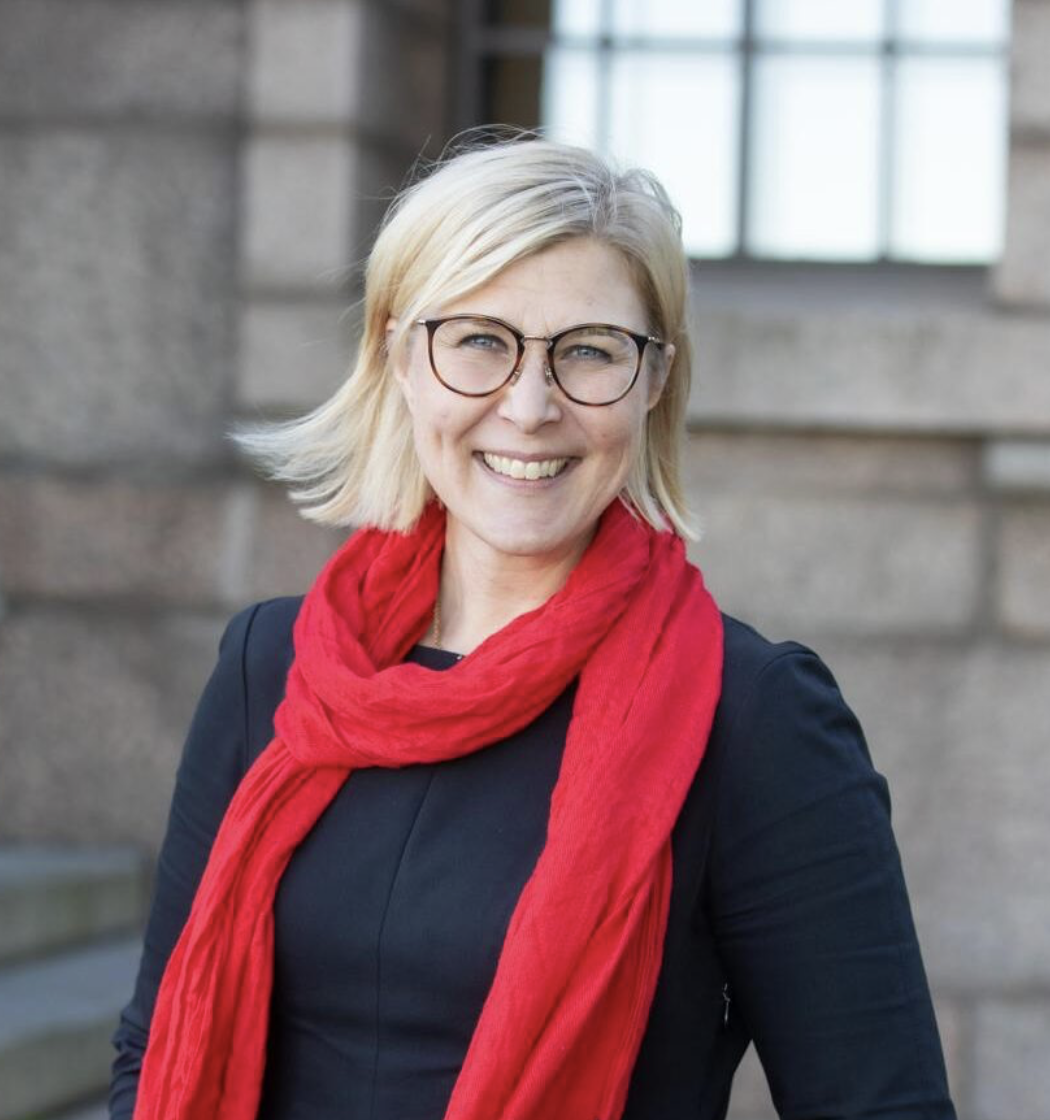
The ResilEast program has been enthusiastically received by the SDP. Turning the security challenges of the eastern border region into economic and industrial opportunities first requires sufficient clean energy production and adequate transmission grids in the region.
The increasingly tense security situation and geopolitical developments are having an impact on eastern Finland, and especially on the southeastern border. This has affected the region’s vitality and people’s future prospects. In the current global political climate, it is particularly important to safeguard eastern Finland’s ability to thrive and develop, and to ensure that people have jobs and a livelihood.
The concentration of wind power construction in western and northern Finland also means that investment is concentrated in these regions. This threatens to further isolate the development of eastern Finland from the rest of the country.
“The ResilEast initiative is a particularly welcome option for strengthening the vitality of eastern Finland, Finland’s security, security of supply, and people’s livelihoods,” says Niina Malm, 2nd Vice Chair of the SDP.
According to Malmi, Eastern Finland has so far been viewed too narrowly through the lens of security threats and border issues, and not sufficiently as a region of opportunity. This also affects the residents’ confidence in the future. We need the confidence and determination to continue investing in Eastern Finland. It is also important to highlight the region’s strengths and opportunities.
– New investments are on the way; existing industry remains a significant part of the foundation of Finland’s economy, and tourism and nature offer new potential. Why shouldn’t Eastern Finland also serve as a testing ground for new technologies in the future?
If we want to turn the security challenge in the eastern border region into an economic and industrial opportunity, we must first address the issues of clean energy production and the adequacy of the transmission grids. In an increasingly electrified world, this is an absolute prerequisite.
– “We must not allow Finland to split into a prosperous west and a stagnating east,” Malm emphasizes.
The SDP Supports the Special Economic Zone Pilot Program
The SDP will soon propose measures to promote the vitality of eastern Finland.
The party wants to boost investment, accessibility, and job creation in the region. Electrification and clean energy are key drivers and prerequisites for the renewal of existing industry and the development of new industry.
“The SDP understands the opportunities and challenges of a special economic zone. We are ready to support the special economic zone pilot and see if it can help boost investment in the pilot areas,” Malm states.
At the heart of ResilEast is the idea that clean energy and defense needs reinforce one another. Niina Malm sees this as a significant opportunity for economic growth and believes that a strong defense and industrial investments can go hand in hand.
– As a resident of Imatra and a native of South Karelia living six kilometers from the border, I recognize the importance of defense for Finland, the entire EU, and our NATO partners. Eastern Finland is vital to Finland’s defense, but it must not become a buffer zone of any kind; rather, it is precisely through vitality that security is also strengthened. Even though the pressures on the region are not the result of Finland’s own actions, I believe that we Finns can solve these problems.
Strengthening economic vitality requires additional electricity transmission capacity. In order for new industrial investments to materialize, the chicken-and-egg problem must be resolved.
– We must find ways to accelerate the construction of the transmission grid in eastern Finland as well. Investments in eastern Finland must not be held back by transmission capacity. Building a power plant is significantly faster than building the transmission grid. The investment climate must be favorable enough to attract companies to locate in the east as well.
The SDP wants to ensure the conditions necessary for Finland’s defense and territorial surveillance, but also green energy for eastern Finland. This is a key issue in promoting regional equality. According to Malmi, Resileast has demonstrated how, for example, drone technology is also changing this issue and offers a credible alternative for solving this problem.
– We approach this with an open mind and believe that land use planning and the construction of wind power facilities can be reconciled, provided there is the political will to do so.
Every stick can be put to good use
The forest industry has been a pioneer in finding ways to make use of every single piece of wood and to turn by-products into high-value-added products. The forest industry also plays a major role in climate and environmental issues, and this presents a tremendous opportunity for Finland as a whole. The bioeconomy is one of the driving forces behind Finland’s exports.
In eastern Finland, the foundation is already in place, but we need to pick up the pace. Green hydrogen production could open up new value chains and investment opportunities in eastern Finland, but it requires sufficient renewable energy and connections to the power grid.
– There must be sufficient incentives for the capture of bio-based carbon dioxide. We also need certainty that there will be a sufficient market for the end product in the future. Therefore, the regulatory environment must be stable and predictable. This applies to both national and EU-level regulations. We must not backtrack on the goals of the green transition, Malm emphasizes.
ResilEast needs a clear roadmap, and it must be included in the government’s program
ResilEast needs a clear roadmap to guide the way forward. Eastern Finland can no longer afford to wait around and listen to ceremonial speeches. Political will is needed.
“ResilEast must be included in the government’s program so that the issue doesn’t remain at the study stage for years on end,” Niina Malm emphasizes.
The SDP supports the continuation of the Eastern Finland Program. Energy, defense, industry, and EU funding are key themes of the program. There also needs to be a cross-cutting understanding among ministries that these are not conflicting issues but rather mutually supportive opportunities for the future.
For the EU’s upcoming funding period, Finland needs a separate funding solution for its eastern external border regions to support business renewal, infrastructure, overall security, and the ability to retain its population. At the same time, it must be ensured that all regions bordering Russia are equally eligible for the highest permissible levels of investment aid and that funding is targeted specifically at the regions most affected by geopolitical changes.
– The SDP is currently drafting its election and government program goals. ResilEast’s goals include many good initiatives that align with those of the SDP. Any initiatives aimed at promoting the vitality of Eastern Finland and strengthening Finland’s security are welcome, Malm says.

MEMBERS INTRODUCED
Industrial areas of the future are being built in Kuusamo
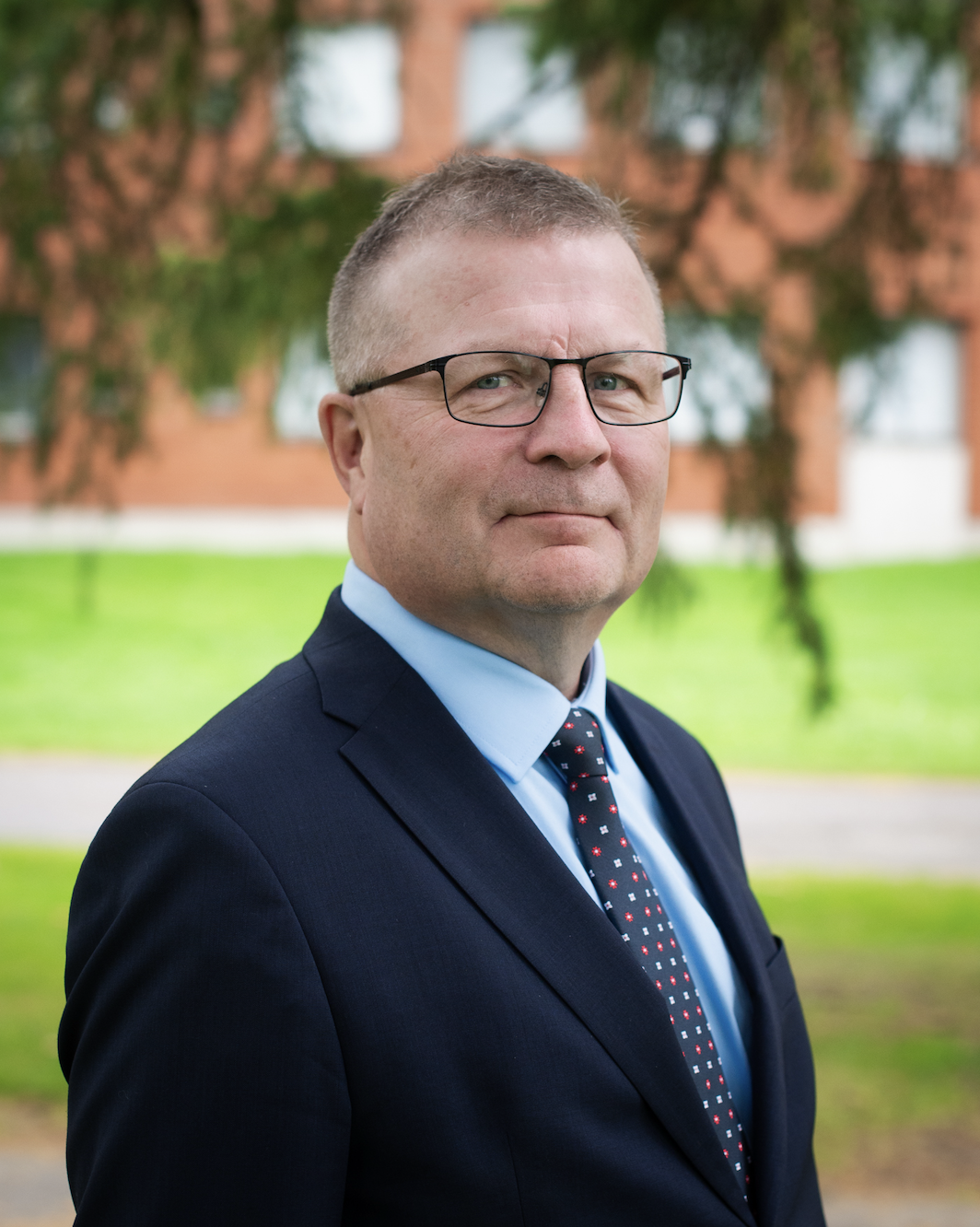
In Kuusamo, the focus is particularly on developing the Kuusamo industrial area and attracting new businesses. The city wants to ensure the availability of electricity, as this is a key factor in attracting investment. Naturpolis views the Finnish Hydrogen Valley network as an important tool for monitoring the development of renewable energy and the hydrogen industry across Finland.
Naturpolis Oy, the Northeast Finland Development Corporation, is an economic development corporation owned by the City of Kuusamo and the Municipality of Taivalkoski. It promotes business growth and the creation of new jobs in the region, improves the operating conditions and environment for businesses, and fosters regional business cooperation.
Kuusamo is engaged in long-term efforts to attract future industrial investments. According toJari Hentilä, CEO of Naturpolis Oy, the region’s development combines renewable energy, solutions for industrial areas, and the conditions necessary for energy-intensive companies to locate there.
Naturpolis joined Suomen Vetylaakso because the association’s network offers an opportunity to examine developments in renewable energy and industry from a broader perspective.
“We also have plans and projects related to renewable energy and solutions for industrial areas here in Kuusamo. We thought that Vetylaakso would provide a good platform for keeping track of what’s happening elsewhere in Finland,” Hentilä says.
New investments are being sought for the Kuusamo industrial park
In Kuusamo, the focus of development is on the Kuusamo Industrial Park, where the city is seeking to attract new businesses and investments. Among other things, the area is exploring solutions related to energy and wastewater treatment, as well as opportunities to attract companies in the wood industry and data centers.
The goal is to attract a diverse range of energy-intensive businesses to the area. According to Hentilä, the projects have progressed at different paces: some more slowly, others more rapidly. Investments have already been made in the area, and construction has begun.
He emphasizes that developing an industrial area is a long-term endeavor. In addition to individual projects, it is important to consider how the overall structure takes shape and supports the economy of the entire region.
– We need to take a long-term approach to this work and take a comprehensive view of how our development efforts support our vitality policy.
The availability of electricity determines where investments are made
One of the key issues for industrial investment in Kuusamo and the wider region is electricity. Hentilä highlights the transmission grid and ensuring a reliable electricity supply as particularly important topics.
Adequate access to electricity is not just a technical issue; it is one of the key factors in companies' decisions on where to locate their operations.
– Issues related to the transmission grid and electricity supply are very important and timely. They may even be critical in terms of where investments are made, Hentilä emphasizes.
Energy security is directly linked to the strategic goals of Finland’s Hydrogen Valley, in which ensuring the adequacy of the transmission grid in eastern Finland, utilizing bio-based carbon dioxide, and enabling the construction of wind power facilities play a central role.
Cooperation Among Border Municipalities Also Offers Opportunities for the Hydrogen Valley
Hentilä also sees the importance of cooperation and networks in influencing policy across regions. Naturpolis has played a key role in bringing together the Rajakunnat ry association. The association’s goal is to highlight the shared perspectives and needs of border municipalities.
The ResilEast national defense energy program serves as a practical tool for Rajakunnat ry in the development of comprehensive security. According to Hentilä, there may be common ground between the activities of Rajakunnat ry and Suomen Vetylaakso in the future.
“I believe that we may also find common ground with Vetylaakso’s projects in the future,” he says.
So far, Suomen Vetylaakso’s membership has given Naturpolis the opportunity to follow the network’s activities and examine developments from the perspective of its own region as well. Hentilä says he is pleased with the membership and looks forward to seeing what new opportunities for collaboration the network will open up.
NEWS FROM THE WORLD
Statement by the Finnish Hydrogen Valley Association on the Electricity Market Act
The goal of the Finnish Hydrogen Valley Association is to promote the conditions necessary for the economic utilization of the production potential of renewable energy and the hydrogen economy, as well as the development of business activities based on them in eastern Finland. The goal is to attract significant investments in renewable energy and the hydrogen economy to eastern Finland and to foster the formation of a subcontracting and collaboration network—or cluster—around these investments. The aim is to develop eastern Finland into a business environment that genuinely attracts investment.
COMMENTS ON THE BILL
The Finnish Hydrogen Valley Association considers the more efficient and transparent use of the power grid’s capacity to be a fundamentally commendable goal and understands that the Electricity Market Act requires amendments. The growth in investments in electrification, the data economy, the hydrogen economy, and other clean energy transitions has significantly increased the load on the power grid, and new procedures are needed for capacity management. At the same time, however, care must be taken to ensure that regulation supports Finland’s long-term competitiveness, regional balance, and the development of the electricity system, and does not lead to an artificial concentration of investments. The objectives of the government’s proposal are well-founded, but the proposed model entails significant regional and economic policy risks.
The draft bill is based on the assumption that grid congestion should be managed primarily by prioritizing new connections. However, according to Suomen Vetylaakso ry, Finland’s key challenge is not managing congestion but eliminating it. Finland’s energy transition, the hydrogen economy, Power-to-X solutions, data centers, and the electrification of industry have long been recognized. The future scenarios developed by Fingrid and Gasgrid have also identified the strong growth in electricity consumption and the potential of the hydrogen economy for years. The bill currently under consideration gives the impression that the capacity shortfall caused by these well-known developments is being addressed by distributing the scarcity rather than proactively increasing capacity.
The Finnish Hydrogen Valley Association considers it particularly problematic that the proposal could lead to regionally unequal outcomes. While the criteria are formally uniform nationwide, in practice they treat different regions very differently. In eastern Finland, the construction of new power generation facilities continues to be significantly restricted by obstacles related to national defense and border control. At the same time, the bill favors regions where the construction of new power generation facilities is possible and where meeting production commitments is substantially easier. In this case, the state is, in effect, first restricting the construction of power generation facilities in parts of Finland and then, through the priority procedure, rewarding regions where such construction is possible. This cannot be considered an acceptable solution from the perspective of regional equality or balanced regional development.
Harnessing the wind power potential of Eastern Finland would be a significant national opportunity. This is not just a matter of Eastern Finland’s vitality, but of strengthening Finland’s entire electricity system. Decentralized electricity generation increases the resilience of the electricity system, reduces the need for transmission, improves security of supply, and balances regional differences in production. At the same time, it would improve opportunities for new industrial investments, even in regions where the development of the power grid has so far lagged behind. Harnessing Eastern Finland’s generation potential would also benefit Southern, Western, and Northern Finland by reducing bottlenecks in the national power system and strengthening national security of supply.
Furthermore, the proposed bill does not adequately recognize the unique nature of the hydrogen economy and Power-to-X projects. Hydrogen plants are not merely large electricity consumers; they could also serve as a source of demand response, an energy storage solution, and an enabler of renewable electricity generation. They support the balance of the power system and enable new generation investments to be realized. The model now being proposed views hydrogen economy projects primarily as consumers of grid capacity and does not take their system benefits into account.
The Finnish Hydrogen Valley Association also believes that the impact assessments in the proposal are incomplete. In particular, the assessments of the impacts on regional development, investment, competitiveness, security of supply, and overall security require significant further analysis during the preparatory process. Furthermore, the timeline for the preparation process has been exceptionally fast given the significance of the reform, and the proposal has not sufficiently examined alternative solutions or regional impacts.
THE FINNISH HYDROGEN VALLEY ASSOCIATION PROPOSES THE FOLLOWING CHANGES FOR FURTHER REVIEW:
- Removing barriers to wind power in Eastern Finland should be made a national priority, and the government should take immediate steps to resolve the restrictions related to the impact of research.
- In areas where the construction of new power generation facilities is restricted by government decisions, a compensatory mechanism must be established to ensure that investments do not face a permanent competitive disadvantage.
- A separate assessment framework that takes system benefits into account should be established for hydrogen economy and Power-to-X projects, one that considers their ability to provide demand response, storage, and balance in the power system.
- The development of the electricity grid must be forward-looking and facilitate investment. The prioritization process must not replace the grid operators’ obligation to develop the transmission grid and the main grid.
- The impacts on regional equity, the distribution of investments, and overall security must be reassessed before the proposal moves forward.
The Finnish Hydrogen Valley Association believes that electricity grid capacity management should support growth throughout Finland. The success of the energy transition requires decentralized electricity generation, proactive grid development, and opportunities to make new industrial investments across the country. In particular, strengthening the conditions for electricity generation, the power grid, and the hydrogen economy in Eastern Finland would benefit all of Finland, improve security of supply, strengthen the operational capacity of the power system, and support the government’s own goals of promoting investment and competitiveness. Finland should not build a system that perpetuates scarcity, but rather one that enables growth.
The German green hydrogen market is creating demand for Finnish companies
In February 2026, the governments of Finland and Germany signed a declaration of intent to promote cooperation on hydrogen between the two countries. The cooperation agreement has generated significant interest in Finland, its hydrogen market, and its production potential.
– Finland and Germany bring complementary strengths to the European hydrogen economy. Finland has an abundance of clean electricity and competitive production conditions, while Germany has cutting-edge technological expertise and industrial demand for the hydrogen market. “Together, we can build a truly European hydrogen value chain,” saysSari Multala, Minister of the Environment and Climate.
In recent months, Finnish companies have signed significant long-term sales agreements for the German market.
“It’s great to see how cooperation between governments, companies, and clusters is bearing fruit and how Finland’s competitive production potential is being recognized in Germany,” saysRiitta Silvennoinen, Executive Director of the Finnish Hydrogen Cluster.
Cooperation with Germany is significant not only because of Germany's large market for hydrogen but also given Germany's influence in the European regulatory debate.
– The hydrogen economy offers enormous potential for Finland’s growth in the coming years and decades. It is now particularly important to convince decision-makers of the importance of a long-term and reliable operating environment for investments. Germany has an important role to play as future mandates are agreed upon. “Hopefully, Germany’s example will also encourage other countries to draft legislation that enables significant investments in the future,” saysHerkko Plit, chairman of the board of the Finnish Hydrogen Cluster.
The declaration of intent on hydrogen cooperation between Finland and Germany has been a significant factor for German companies.
– Intergovernmental cooperation agreements play an important role when German companies are considering investments and cooperation agreements outside of Germany. “It has been wonderful to promote hydrogen cooperation between Germany and Finland through the Chamber of Commerce, and I believe this cooperation will create many more new opportunities, especially now that the first billion-euro deals have already been signed between companies this summer,” saysJan Feller, CEO of the German-Finnish Chamber of Commerce.
Source: H2cluster Finland

A 200-million-euro investment in a hydrogen plant is moving forward in Mussalo, Kotka
Nordic Ren-Gas finalized a lease agreement with the City of Kotka for a 4.7-hectare plot. The lessee is eNRG Kotka Oy, which is part of the Nordic Ren-Gas Group. The company has already signed a preliminary agreement for the site.
“Our plans have taken major strides forward, and at this stage we also want to finalize the lease of the property,” saysSaara Kujala, CEO of Nordic Ren-Gas.
The plant is intended to produce renewable e-methane for transportation. It already has an environmental permit, so the next steps are to make an investment decision and apply for a building permit. Kujala estimates that the investment decision will be made in 2027. If the project goes ahead, the investment would total approximately 200 million euros.
According to CEO Kujala, a large market for renewable fuels is opening up in Europe. This is due to geopolitical changes and the desire to move away from fossil fuels sourced from outside the EU.
According to Kujala, the EU is urging its member states to meet their renewable energy targets in the transportation sector. This trend is supported in particular by legislation enacted in Germany.
In July, Yle reported that Nordic Ren-Gas had signed a one-billion purchase agreement to supply e-methane for heavy-duty transportation in Germany.
The gas travels through the European natural gas pipeline network—first through Finland’s natural gas network and then onward. It is delivered to fuel tanks via gas filling stations.
Source: Yle

The commercialization of Solar Foods' protein in the EU is moving forward
Solar Foods has received a favorable scientific opinion from the European Food Safety Authority (EFSA) regarding the safety of Solein®, the protein it has developed.
This decision brings the company a significant step closer to commercializing the new protein ingredient in the European Union market.
According to EFSA’s assessment, Solein is safe for use as a protein ingredient in the proposed food categories and under the proposed conditions of use. This marks the first time in the world that EFSA has issued a favorable scientific opinion on a novel food produced by gas fermentation.
This favorable opinion moves Solein to the final stage of the EU novel food authorization process. Next, the European Commission will draft an implementing regulation for the authorization, which will then be put to a vote by representatives of the member states. Solar Foods estimates that the remaining approval process will take approximately 7–9 months. Once approved, Solein can be commercialized throughout the EU.
– “This is a crucial moment for Solar Foods. For years, we have demonstrated the effectiveness of our technology, our product, and our production process.” Now our focus is shifting even more strongly toward commercial implementation and business growth,” says CEO Rami Jokela.
Solar Foods estimates the potential market for Solein to be approximately seven billion euros in the EU and 11 billion euros in the United States by 2030. The company has already begun commercializing Solei in the United States and is also in negotiations with major international food companies in Europe.
Solar Foods signed an agreement with Fortum regarding hydrogen production and heating and cooling solutions at its Lappeenranta production facility. Selkäharju in Lappeenranta was selected as the site for the plant’s design, in part due to the availability of electricity. The production of Solein requires a significant amount of energy, which the company plans to obtain primarily from wind and solar power. The planned production facility is a significant step toward boosting the vitality of eastern Finland.
Source: Solar Foods
The EU's hydrogen economy strategy opens doors for eastern Finland
The EU’s debate on the hydrogen economy is shifting from supporting production to building markets, infrastructure, and security of supply. This creates an opportunity for Eastern Finland to position itself as a broader energy, security, and industrial ecosystem that goes beyond mere hydrogen production. The “Call for Evidence – EU Hydrogen Strategy.docx” places particular emphasis on increasing demand, the proactive development of hydrogen infrastructure, the importance of hydrogen valleys, and the role of hydrogen in Europe’s strategic resilience.
For Finland, this means that a hydrogen backbone network should be built ahead of demand—which should be rapidly increased—and that the price of electricity remains a decisive competitive factor. Steel and eSAF fuels represent Finland’s greatest opportunities. The importance of hydrogen in ensuring security of supply and safety is becoming increasingly evident, and EU funding must be mobilized more quickly.
All of this presents opportunities; Eastern Finland can be positioned as a strategic region for the EU’s and NATO’s eastern energy resilience and the production of clean molecules—not merely as a hydrogen production region. This perspective aligns with the priorities of EU policy and provides the region with a competitive advantage in future funding and investment decisions.
Source: European Commission Hydrogen Strategy
UPCOMING EVENTS

"Power to the Coast 5" Seminar, November 26, 8:30 a.m.–1:45 p.m.
Energy, sustainability, and industrial transformation are reshaping our operating environment at an unprecedented pace. The “Virtaa rannikolle 5” seminar offers timely perspectives on how these changes are manifesting in the Kymenlaakso region and what opportunities they present for local businesses and stakeholders.
How does sustainability translate into a competitive advantage?
What opportunities do hydrogen, energy storage, and new technologies offer?
What is needed to attract new investments to Kymenlaakso?
Join us to hear the latest perspectives and network on building growth, competitiveness, and a sustainable future in Kymenlaakso.
TIME:Thursday, November 26, 8:30 a.m.–1:45 p.m.
LOCATION:Merikeskus Vellamo, auditorium, Tornatorintie 99, 48100 Kotka
or remotely (a link to join the event will be sent to those who have registered for the livestream before the event)
The event will be hosted byJarkko Harjula, Senior Advisor at Cursor . View the full program here.
Sign up here.

Transmission Grid Webinar, Dec. 18, 8:00–9:00 a.m.
The final webinar of the year, organized by Suomen Vetylaakso ry, Fingrid, Lappeenrannan Energia, and Suur-Savon Sähkö, will focus on ways to ensure an adequate supply of electricity in eastern Finland. The focus will be on the plans of regional energy companies to develop the power grid in eastern Finland themselves.
8:00 a.m. Opening Remarks, CEOJami Holtari, Suomen Vetylaakso ry
8:05 a.m. The Grid from the South, CEOArto Nikkanen, Lappeenrannan Energia Oy
8:15 a.m. The Savo Model,Mikael Venäläinen, Suur-Savon Sähkö Oy
8:25 a.m. Finland’s transmission grid is the best,Petri Parviainen,Unit Manager,Fingrid
8:35 Discussion, moderated byJami Holtari
The event will be recorded, so if you can't attend, you can watch it later on our website. Date:October 18, 2026. Click hereto join the Teams webinar
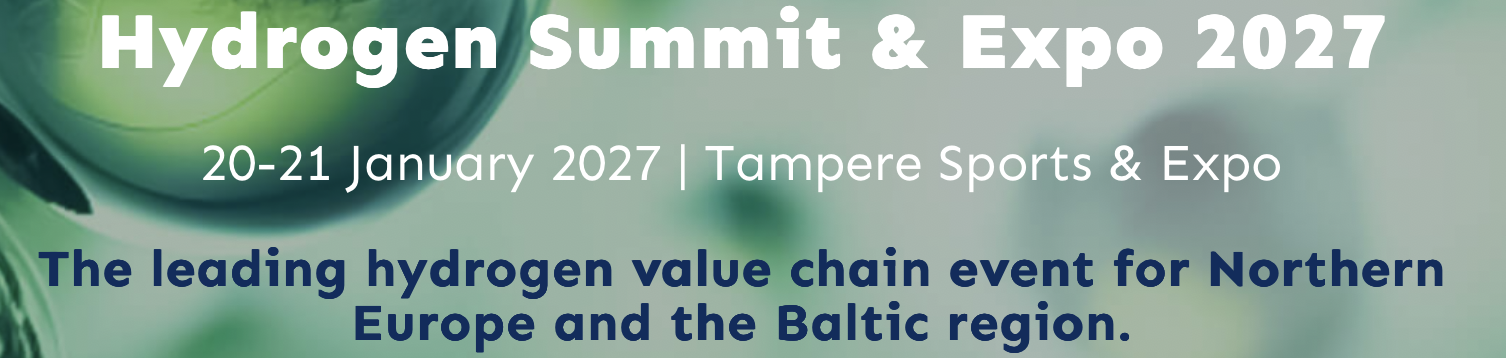
Hydrogen Summit & Expo in Tampere, January 20–22, 207
Join Suomen Vetylaakso ry atthe Hydrogen Summit & Expo—the undisputednumber one hydrogen economy trade show of the year—in Tampere from January 20–22!
Featuring over100 exhibitors and 2,500 attendees!Website Hydrogen Summit & Expo 2027.
You’ll now geta unique double benefitfrom your participation! The “Verkosto” Energy and Data Infrastructure Trade Show for Professionals will be held concurrently. Website Energy and Data Infrastructure 2027.
Finnish Hydrogen Valley hasits own area next to the main stage, in the best spots.A large portion of the exhibitorspaces at the fairare already reserved, so interest is high.So act fast and sign up: tommi.siikaniva@vetylaakso.fi
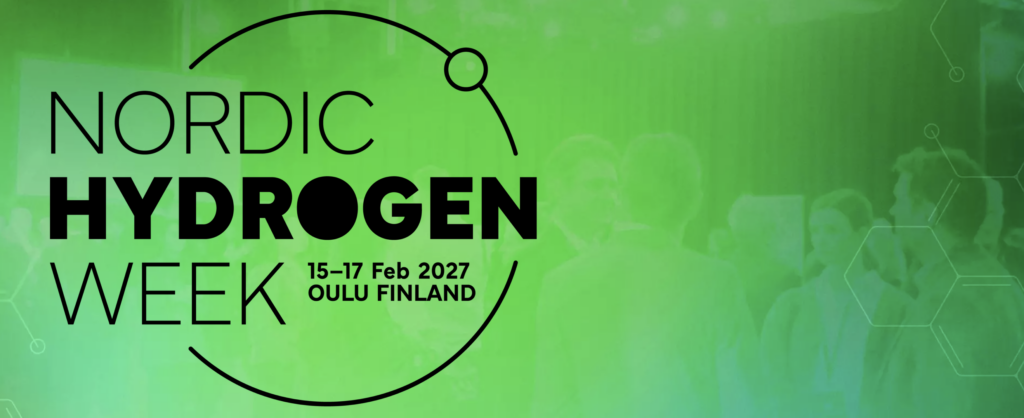
Join us at Nordic Hydrogen Week in Oulu, February 15–17, 2027!
Nordic Hydrogen Week is Northern Power Business Forum & Expo 2027, an international trade show and conference that brings together stakeholders from across the entire hydrogen value chain.
The three-day program also features science, research, company visits, networking, and business opportunities. The event offers a unique opportunity to explore the future of clean energy in the Nordic countries.
The Finnish Hydrogen Valley Association will be participating in the event on Wednesday, February 17. Come listen, and we’ll tell you what kind of regional development the hydrogen economy will bring to eastern Finland. We’ll share more details about our program at the event later.
Read more!

Join us for the absolute highlight of Eastern Finland’s energy sector in 2027!
The Eastern Energy Summit 2027 will bring togetherthe energy, research, and investment ecosystems of Eastern Finland on a shared stage for the first time. Companies, investors, decision-makers, researchers, and regional stakeholders will gather in Helsinki to forge new connections, foster collaboration, and explore business opportunities.
Date: May 31–June 1.
Location: Messukeskus, Helsinki
For more information, contacttommi.siikaniva@vetylaakso.fi
Mark your calendar!
Join our growing team today!
We’ll soon have 80 members, to whom we provide interesting and up-to-date information on the opportunities offered by the hydrogen economy and renewable energy. We serve as your organization’s voice in the industry and ensure that the issues important to you are brought to the attention of decision-makers. We actively network, regularly meet with key players in the energy sector, and obtain the latest information on industry developments for your benefit.
We will provide you with regular updates on industry developments, company visits, a newsletter published six times a year, media coverage of topics important to you, visibility on social media channels, and we’ll support your organization’s communications when you want to bring your message to the attention of your stakeholders. Protecting your interests is our job.
Join our growing community here or call Jami at 040 055 1435 or Tommi at 0400 885 747, and we’ll tell you more.
Subscribe to the newsletter and give feedback
Tell us what you'd like to read about in our newsletters and share your feedback. All feedback is very important to us, and we do our best to ensure that every newsletter is interesting and informative.
If you have any current news to share, feel free to send us a message. You should also follow our blog:https://www.linkedin.com/company/suomen-vetylaakso-ry
Newsletter subscription:
- http://eepurl.com/iJCuto
- order by e-mail: tommi.siikaniva@vetylaakso.fi or office@vetylaakso.fi
Green hydrogen and carbon dioxide to power South-East Finland is an ERDF-funded group project in the Renewable and Competent Finland 2021-2027 programme. The main implementer is LUT University, where the Finnish Hydrogen Valley Association is one of the co-implementers.
Copyright (C) *|2026|* *|Suomen Vetylaakso ry|*. All rights reserved. Our office email address is: Office@vetylaakso.fi